
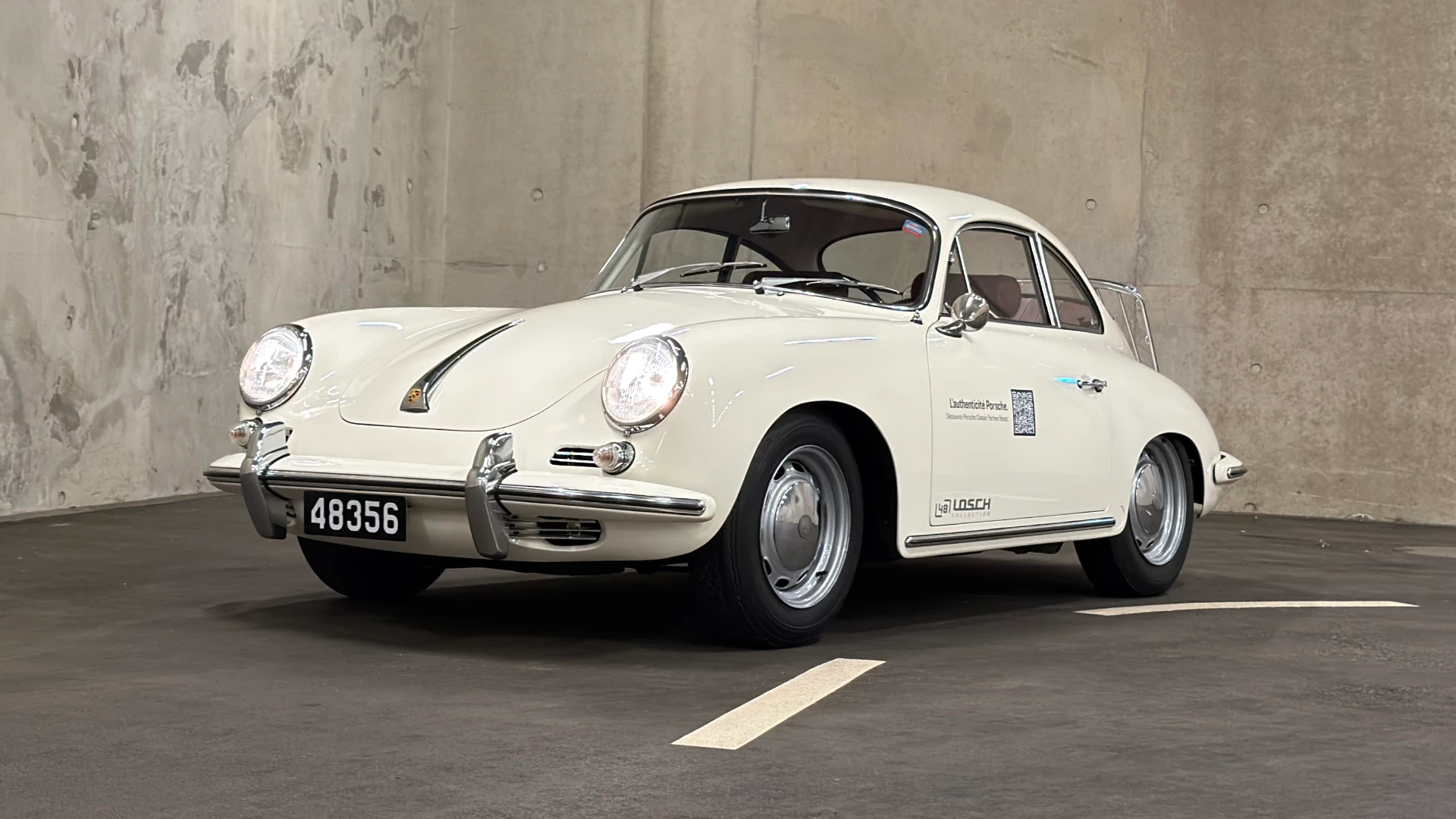
Porsche 356
A milestone in Porsche's early history
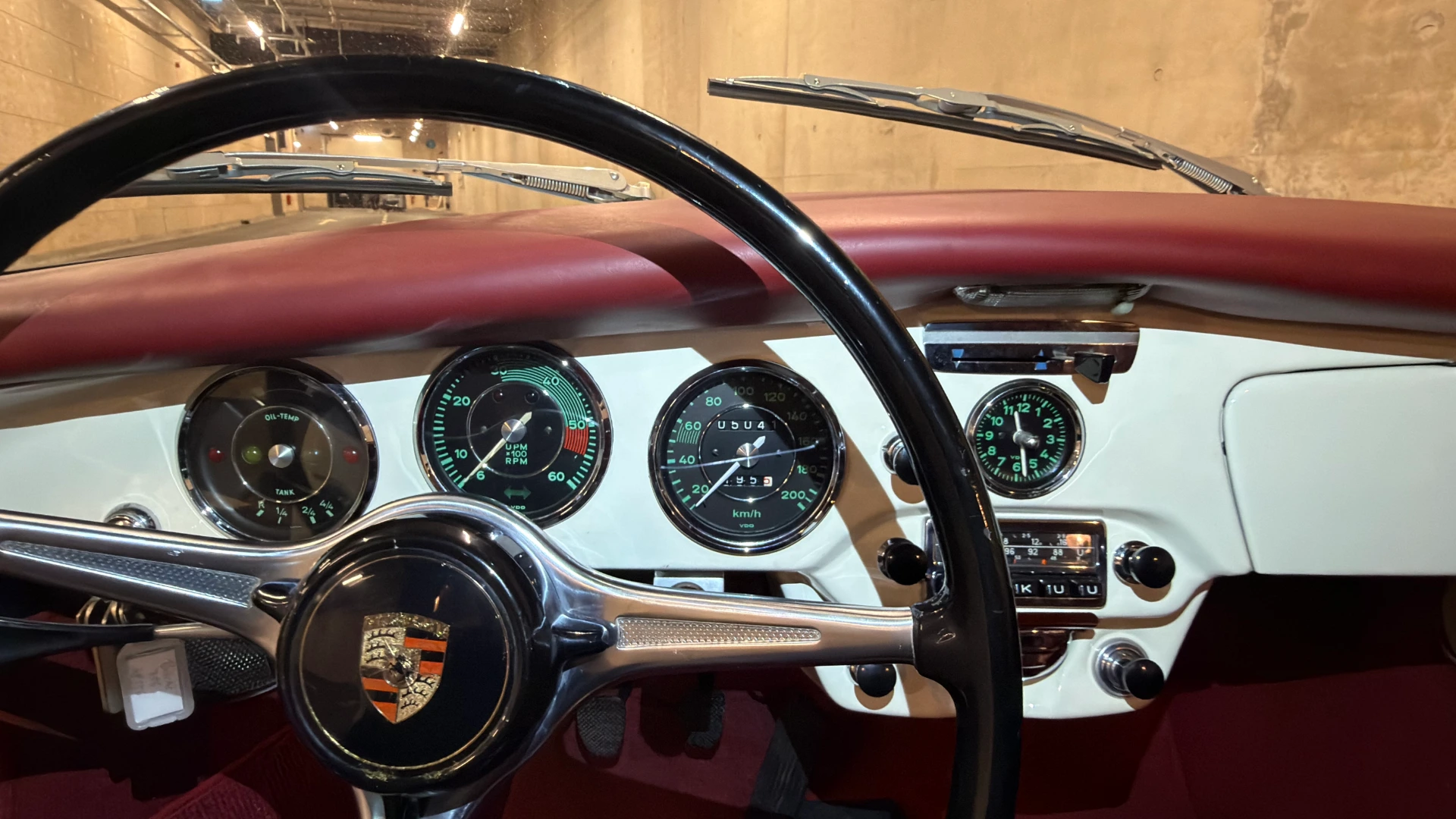
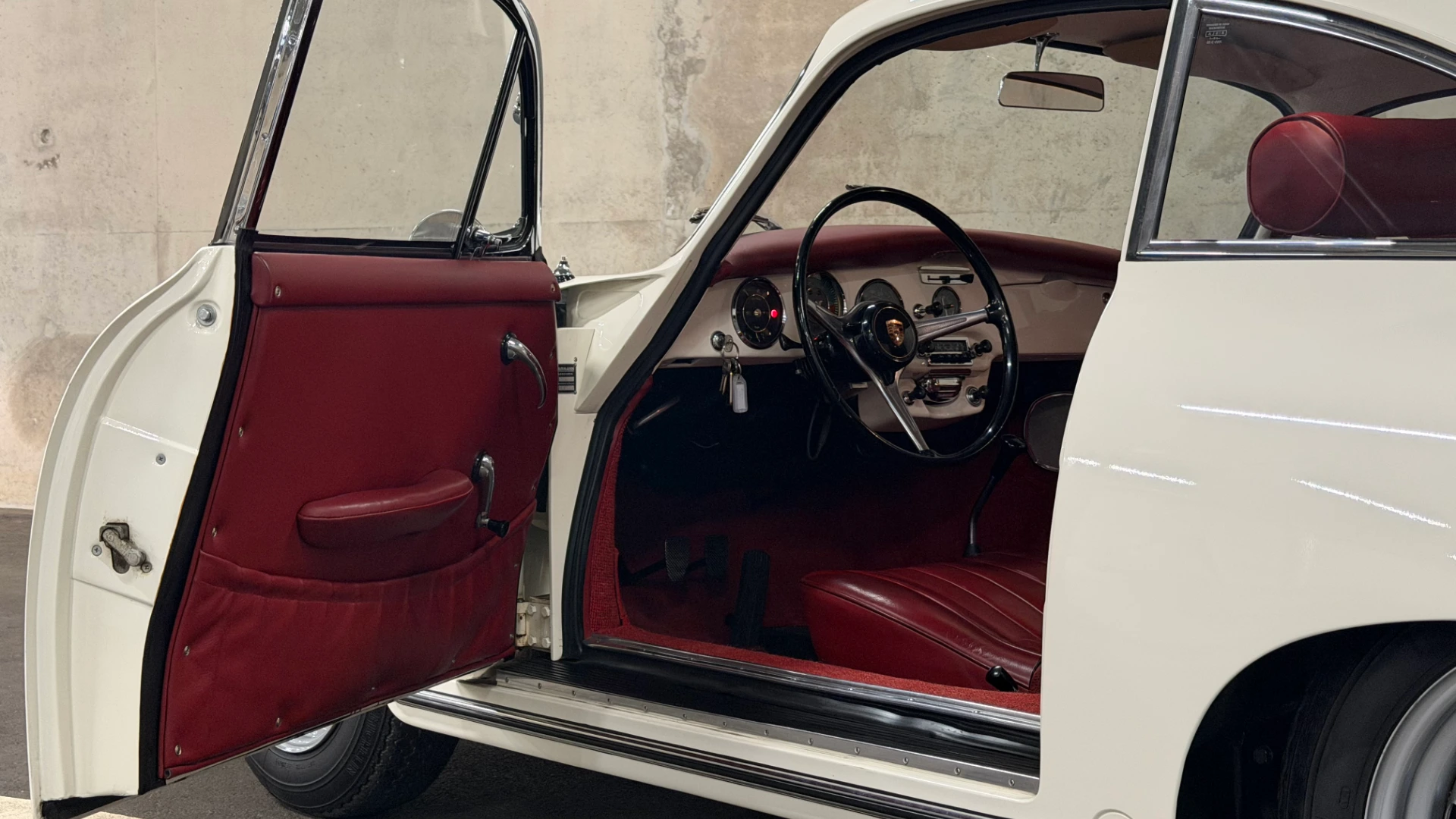
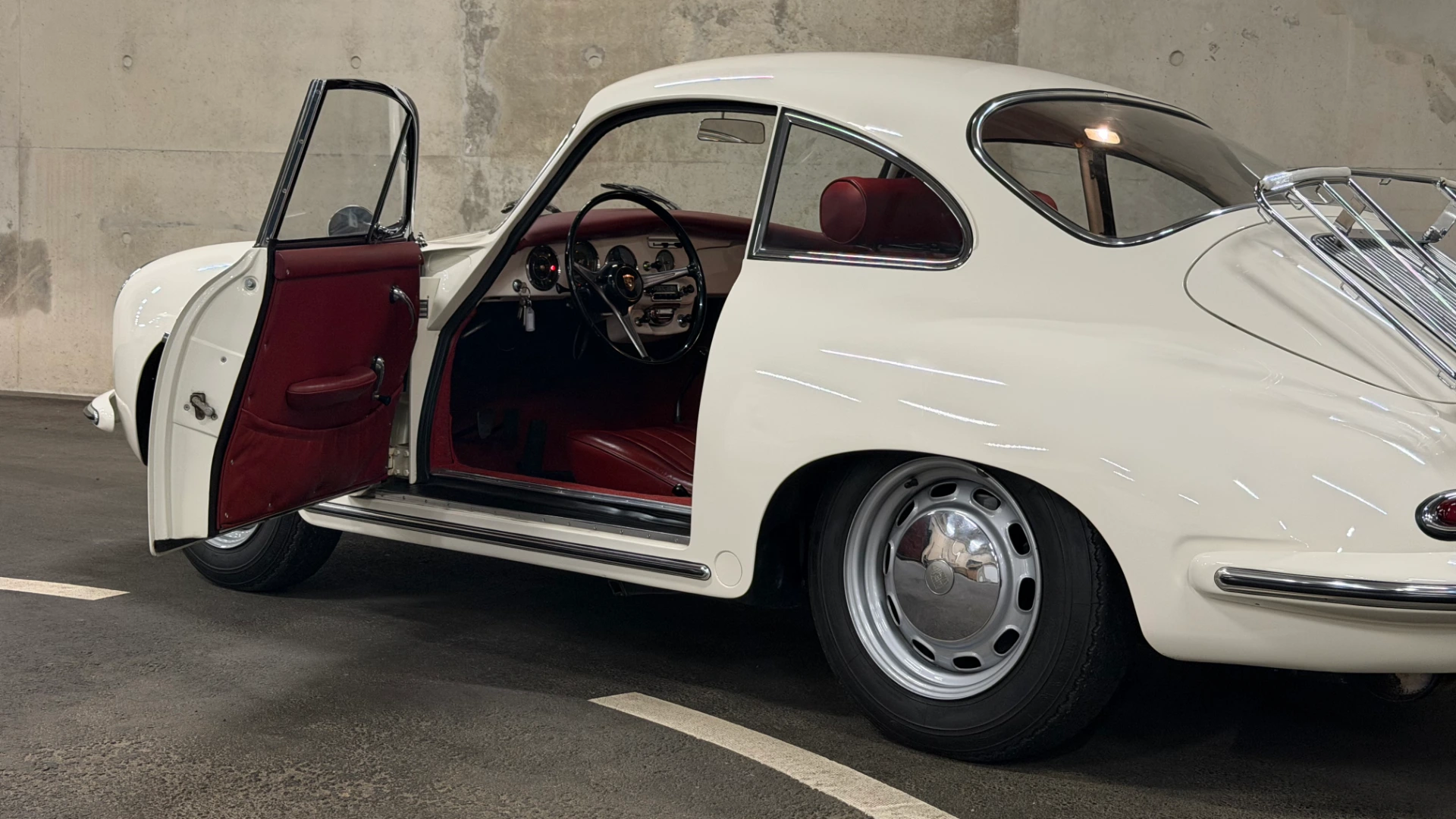
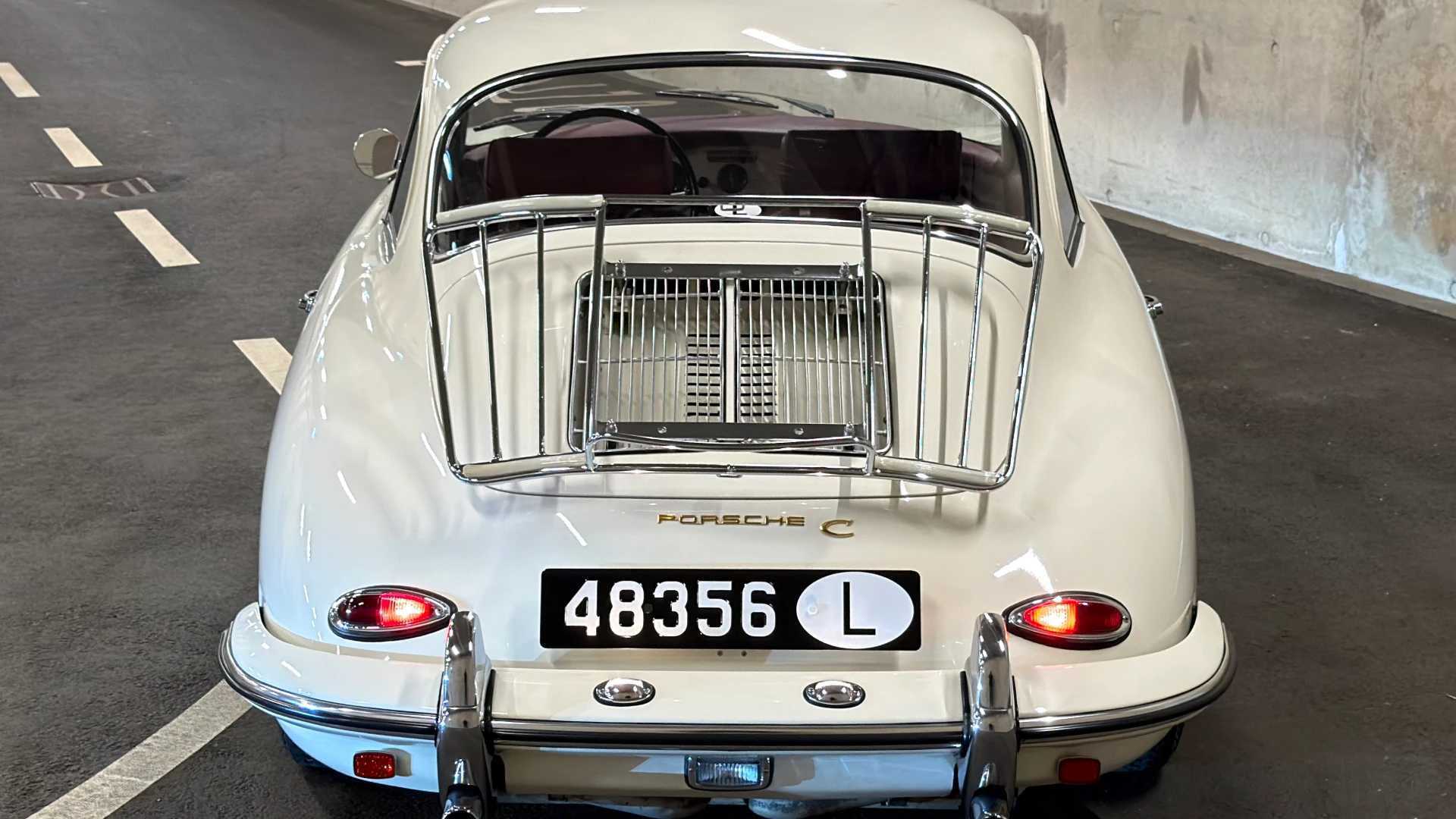
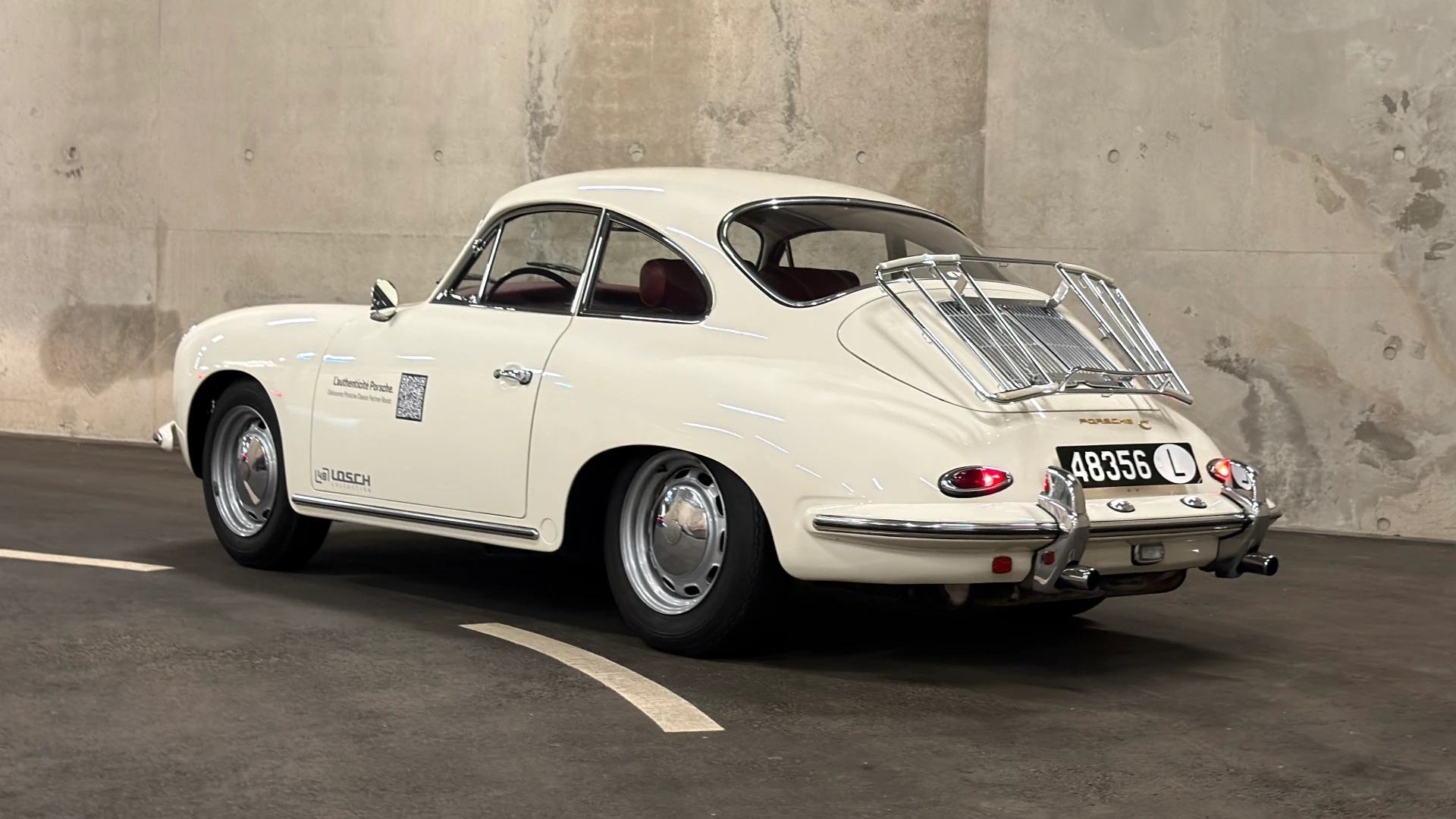
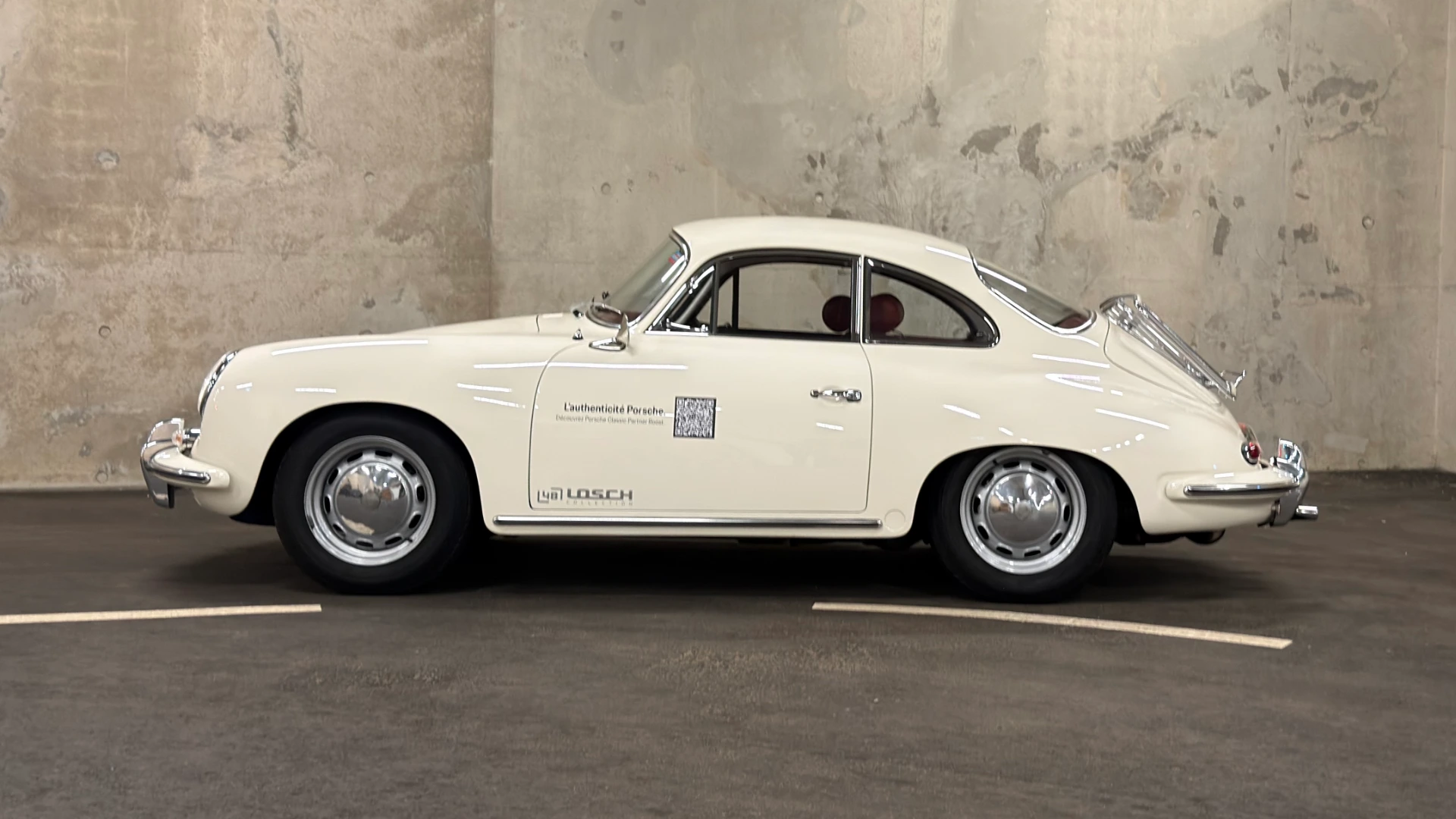
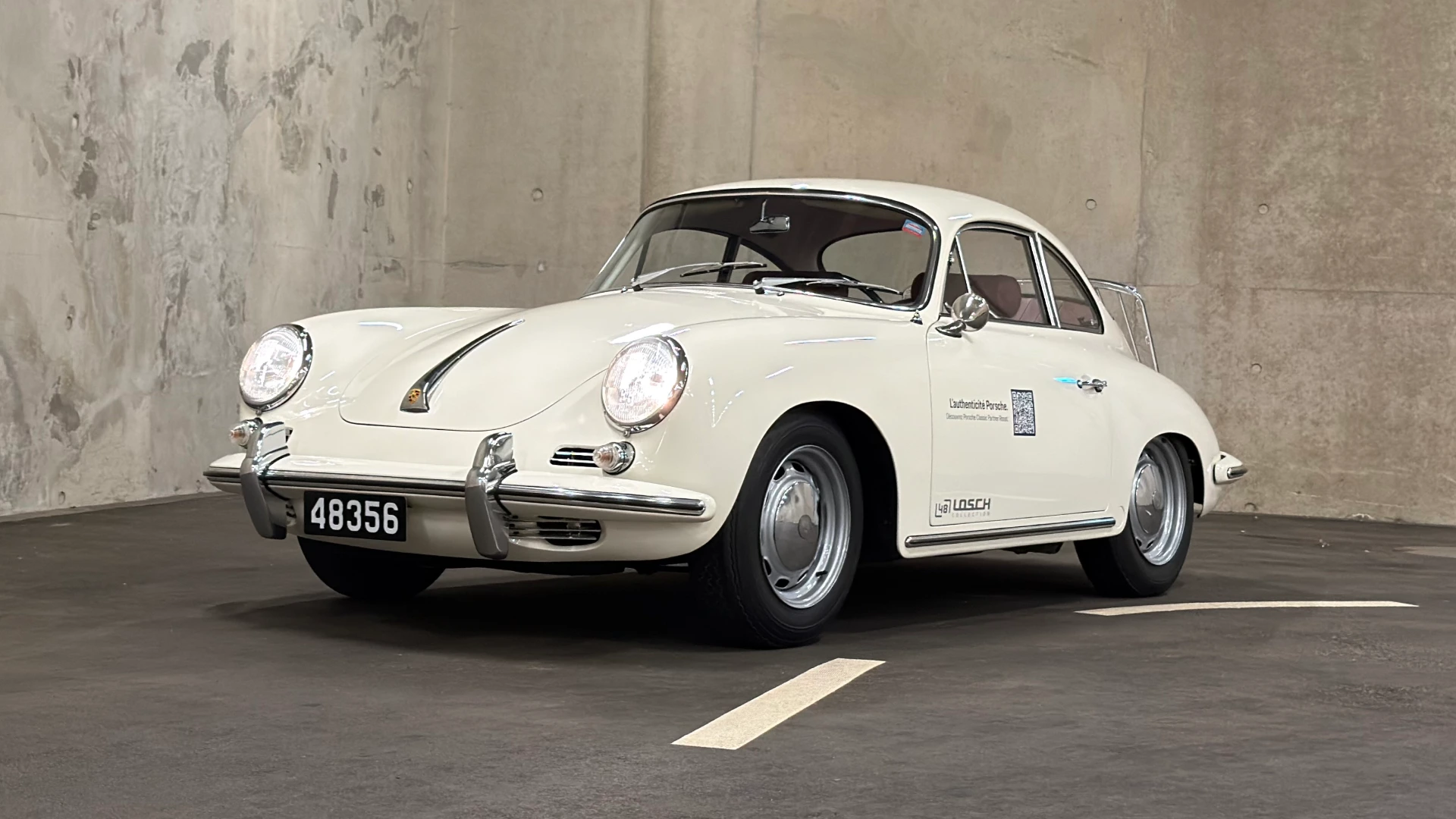
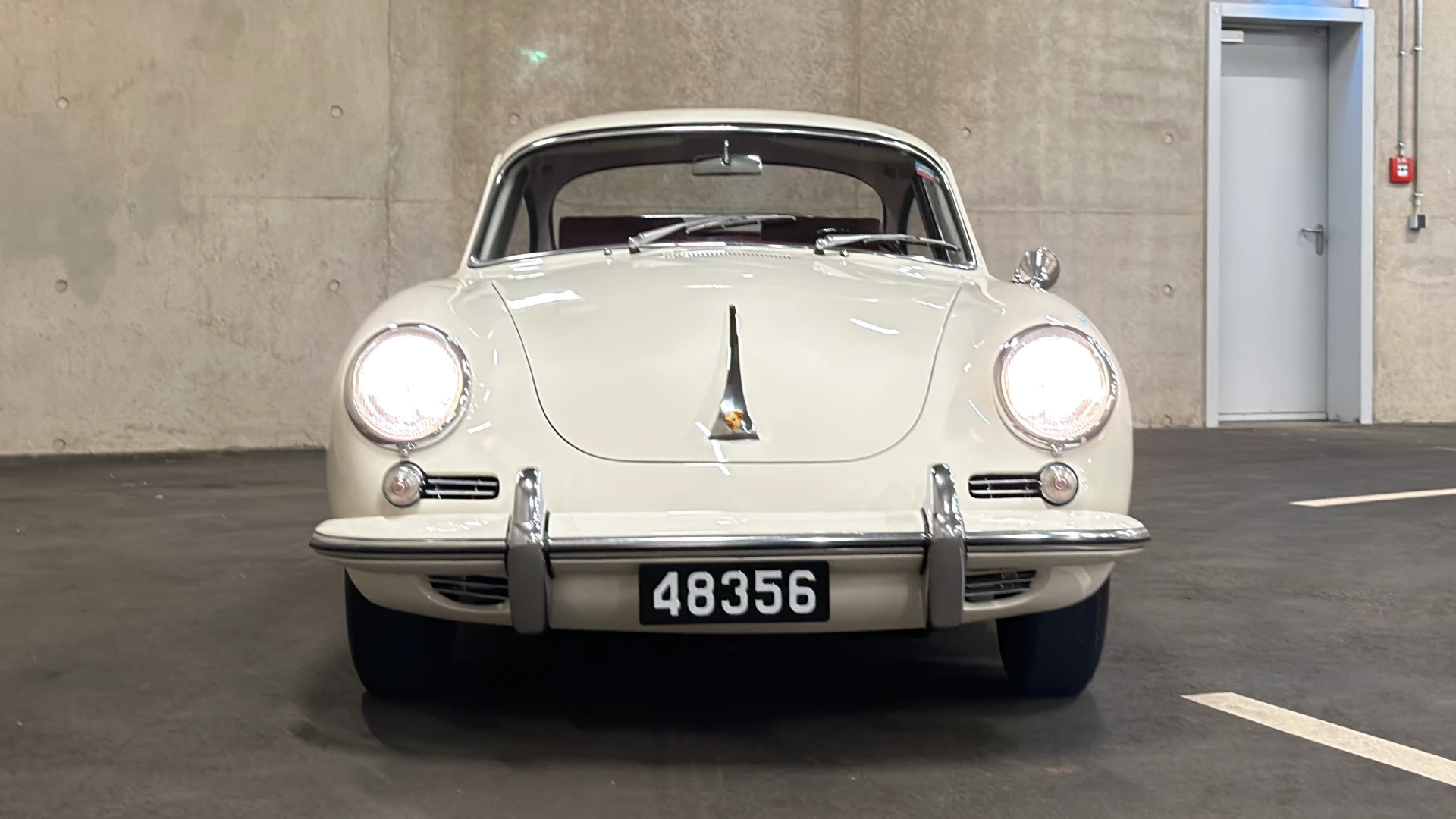
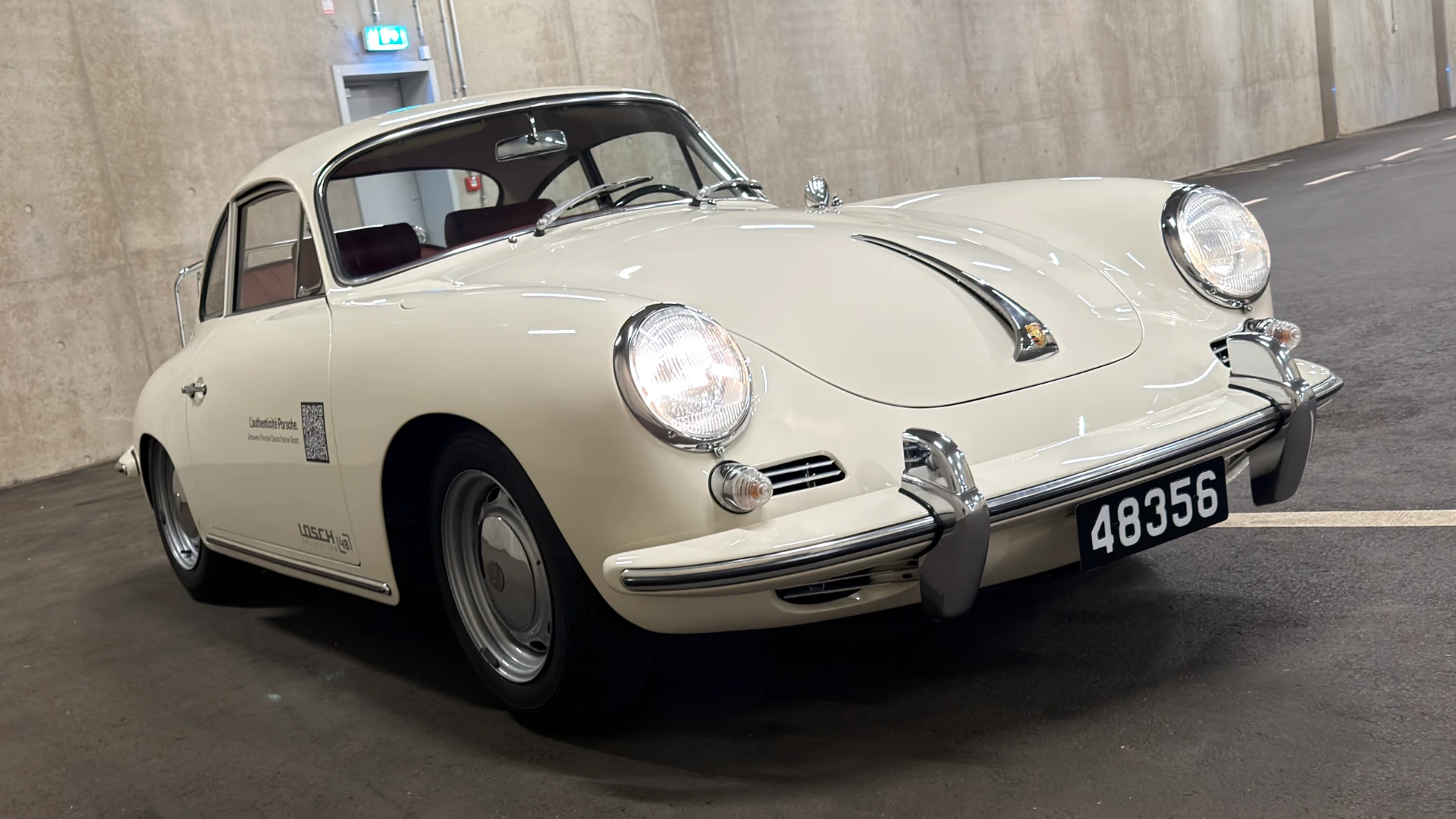
The Porsche 356 C Coupé from 1965 marked the apogee and conclusion of the legendary 356 series. The latest evolution of Porsche's first production model, it is now considered a collector's item and one of the brand's most iconic vehicles.
The beginnings of the Porsche 356 (1948–1955)
The Porsche 356 was presented in 1948 as the first production vehicle of the young brand.
Here are the main elements of this initial phase:
• The vehicle was based on a concept by Ferdinand "Ferry" Porsche, who wanted to build a light, sporty car with a rear engine.
• The first fifty or so examples were handcrafted in Gmünd, Austria, in very small series.
• From 1950, Porsche moved to Zuffenhausen, near Stuttgart, thus allowing the establishment of real series production.
• The original model is considered the cornerstone of all future Porsche sports vehicles and was already very successful in competition at the time.
The evolution towards the 356 A and 356 B series (1955–1963)
-
Body Design Evolution
The T1 and T2 bodies introduced significant improvements, including technical and ergonomic advancements.
-
Engine Range Expansion
Higher power engines were added to the Porsche 356 A series.
-
Manufacturing Quality and Road Handling Improvement
Porsche improved manufacturing quality and road handling significantly with the T1 and T2 bodies.
-
Braking System Upgrade
The braking system was modernized, enhancing overall performance.
-
Interior Modernization
The interior of the Porsche 356 B series received a significant upgrade with improved ergonomics and a more stable chassis.
-
Class Benchmarking
This model set new benchmarks in its class, strengthening Porsche's reputation as a manufacturer of high-end sports cars.
The Porsche 356 C (1964–1965): the last step in the evolution
The 356 C generation represents the most modern and successful version of the entire series.
Main technical innovations
• Disc brakes on all four wheels – a first on the 356, and a huge improvement over previous drum brakes.
• Air-cooled four-cylinder boxer engines with 75 hp (1600 C) to 95 hp (1600 SC).
• Optimized suspension for more precise handling and better stability.
Aesthetic features
• Externally, the 356 C remained true to the classic design – sober and timeless.
• Refined details such as new hubcaps, redesigned drumsticks and improved comfort options added a more elegant touch.
Today, the 356 C is seen as a harmonious combination of the traditional design of the 356 and more advanced technology.
Production figures for the Porsche 356 (1948–1965)
A total of 76,313 examples of the Porsche 356 were produced.Generational distribution:
• 356 (original model, 1948–1955): approx. 7,627 units
• 356 A (1955–1959): ca. 21,045 units
• 356 B (1959–1963): ca. 30,963 units
• 356 C (1963–1965): ca. 16,678 units
These figures illustrate the constant evolution of the model and its growing success over nearly twenty years.
The End of the 356 – The Beginning of an Icon
With the end of production in 1965, the Porsche 356 gave way to a new era:
• As early as 1964, the Porsche 911 was introduced as a modern, more powerful and future-oriented heir.
• Production of the 356 ceased in 1965, but the model remained highly sought after – both on the second-hand market and in competition.
To this day, the 356 C remains a symbol of the origins of Porsche's success story and one of the brand's most popular classics.