
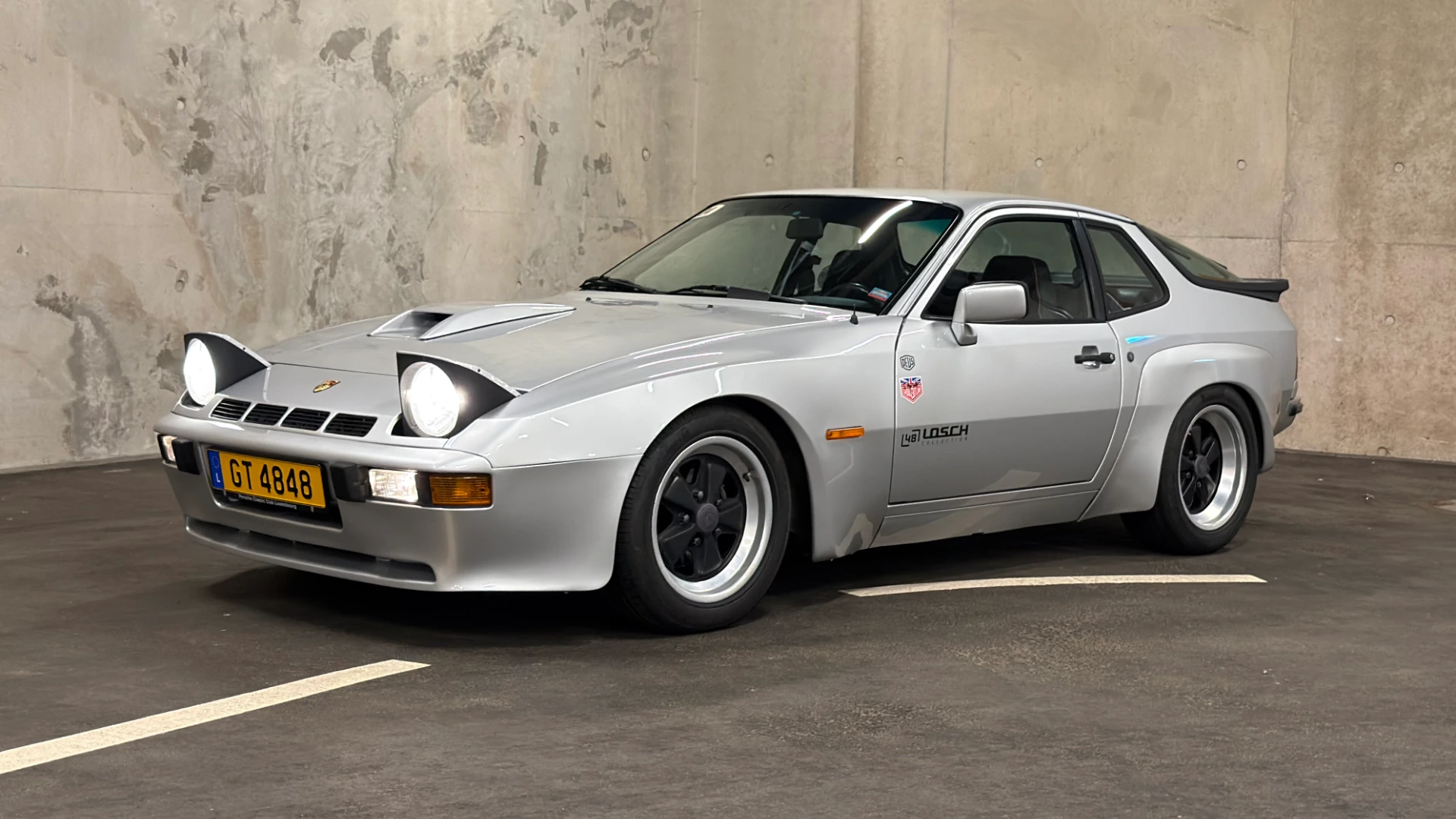
Porsche 924 Carrera GT
Introduction
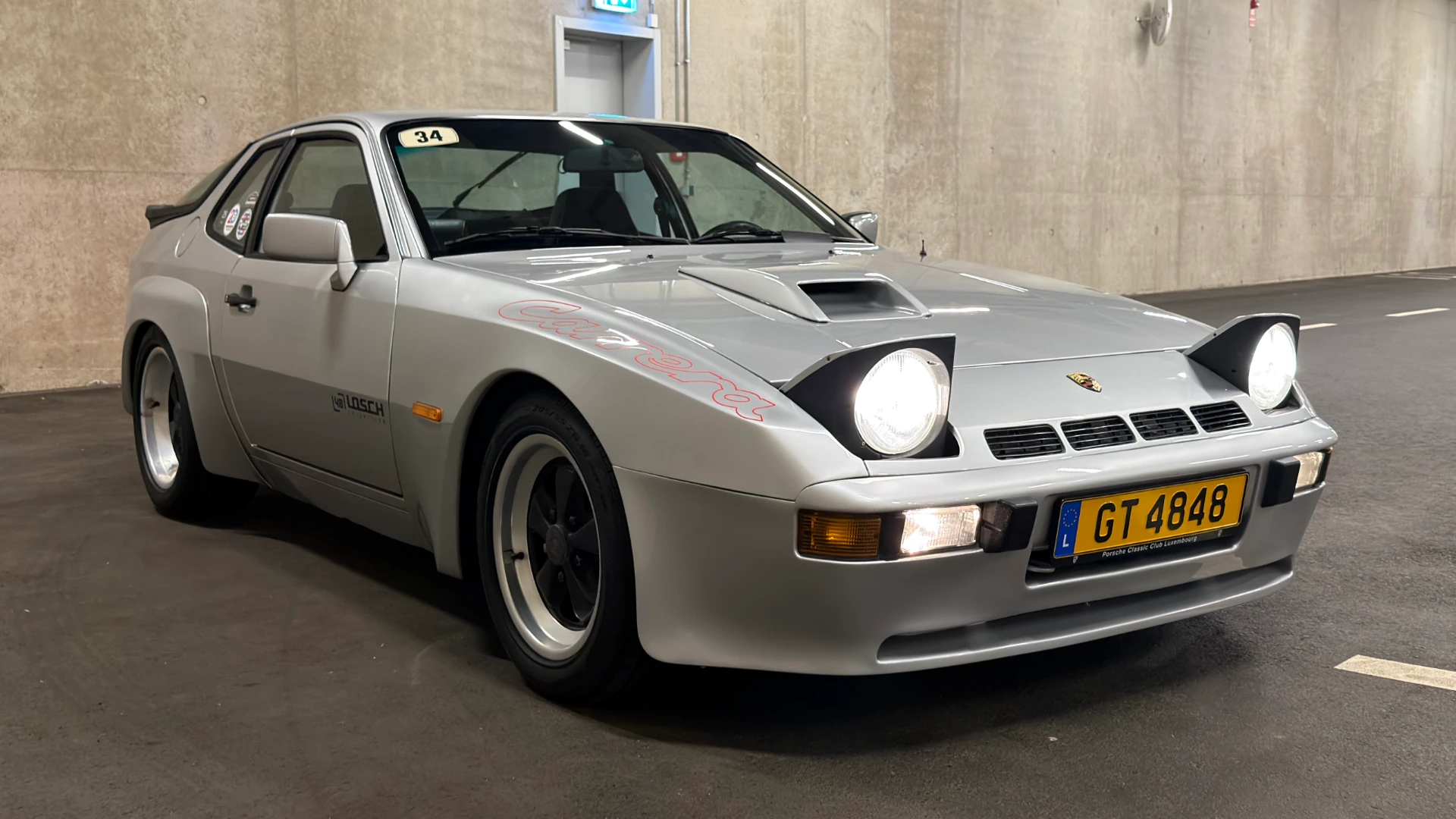
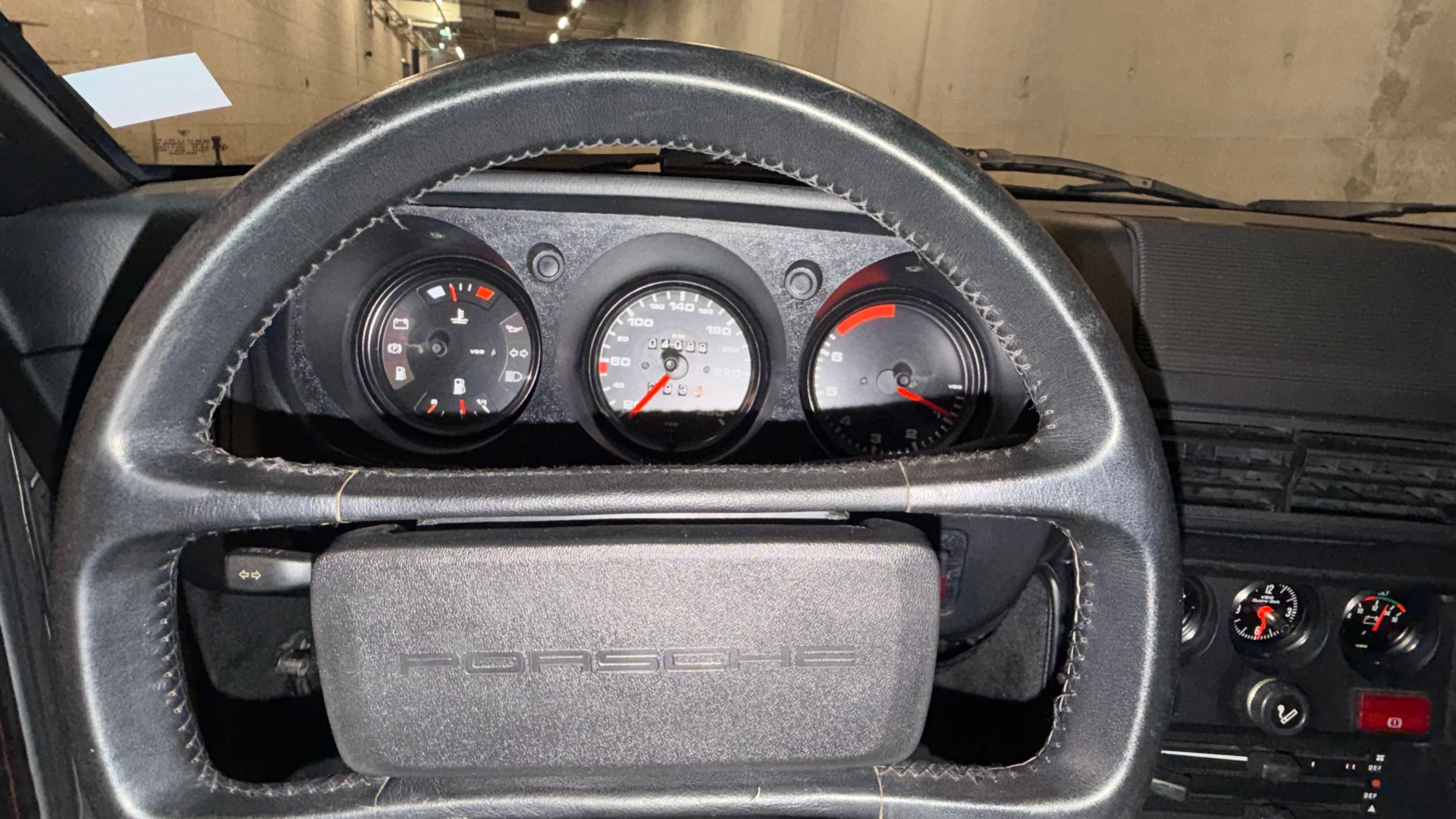
The Porsche 924 Carrera GT represents an essential link in the evolution of Porsche's Transaxle range. Although it is technically based on the 924, which is considered the "entry-level model", it marks a turning point thanks to its connection to motorsport, its limited production and its significant performance gain. With its 2.0-liter turbocharged engine (1984 cc) with 210 hp, it was designed in 1981 for competition homologation and is now one of the most sought-after Porsche models of its time.
The basis: the Porsche 924 (from 1976)
Origin of the model
The Porsche 924 was originally designed as a replacement for the VW-Porsche 914. The development was carried out jointly with Volkswagen:
• Porsche developed the design and overall concept of the chassis.
• Many technical components, including the 2.0-liter in-line 4-cylinder engine, came from the Volkswagen/Audi range (e.g. the Audi 100).
Modern technology, but mixed reactions
Although the 924 introduced several advanced technical solutions – including the Transaxle architecture ensuring optimal weight distribution – some enthusiasts criticized it as "not Porsche enough", due to its non-Zuffenhausen engine.
The transition to the high-performance model
Why the 924 Carrera GT was created
To effectively enter the 924 in competition (especially in Group 4 and Group B), the homologation regulations required the production of at least 400 vehicles intended for road use. This limited series was produced in 1980/81 under the name Porsche 924 Carrera GT.
Submission and Production Period
• Presentation: 1980
• Production: mainly in 1981
• Power: 210 hp
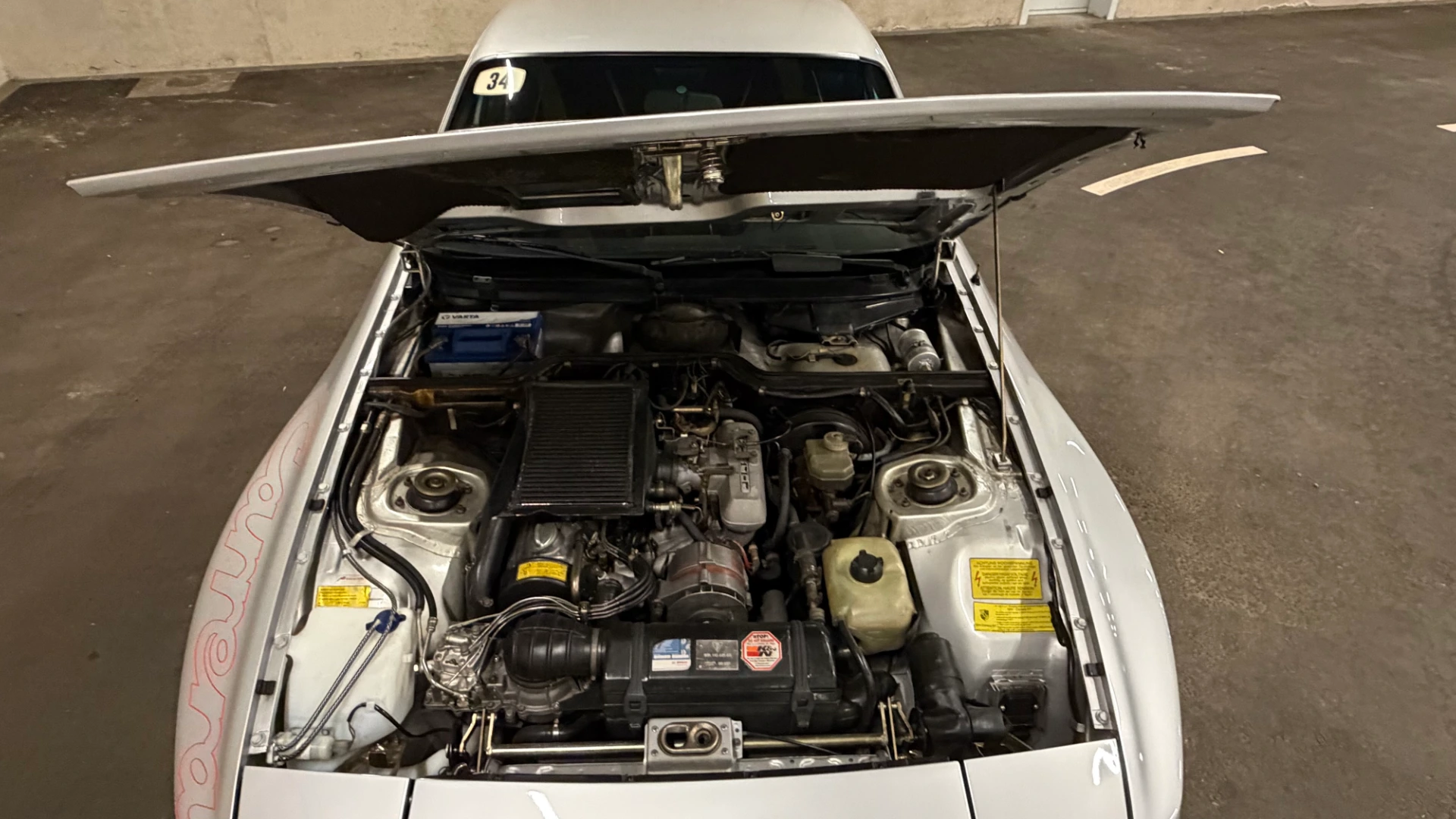
• Engine: 2.0-litre in-line 4-cylinder (1984 cc) with turbo and intercooler
924 Carrera GT Technique & Features
Technical data (road version)
• Engine: 2.0-liter turbo
• Power: 210 hp (154 kW)
• 0–100 km/h: approx. 6.9 s
• Top speed: approx. 240 km/h
• Weight: approx. 1,180 kg
Important technical differences compared to the classic 924 Turbo
• Larger intercooler
• Increased boost pressure
• Improved cooling
• Optimized chassis
• Reinforced braking system
Bodywork & design
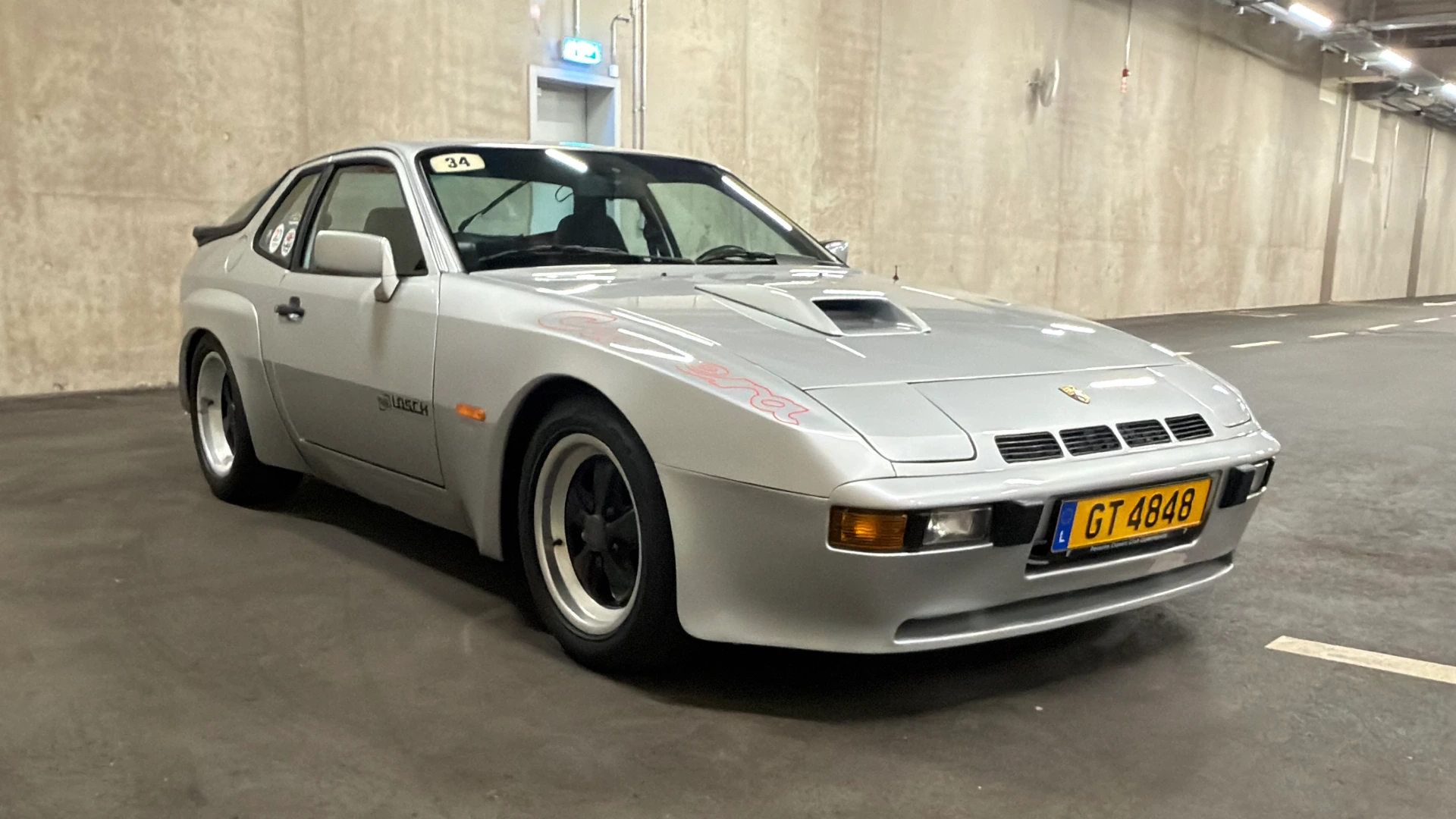
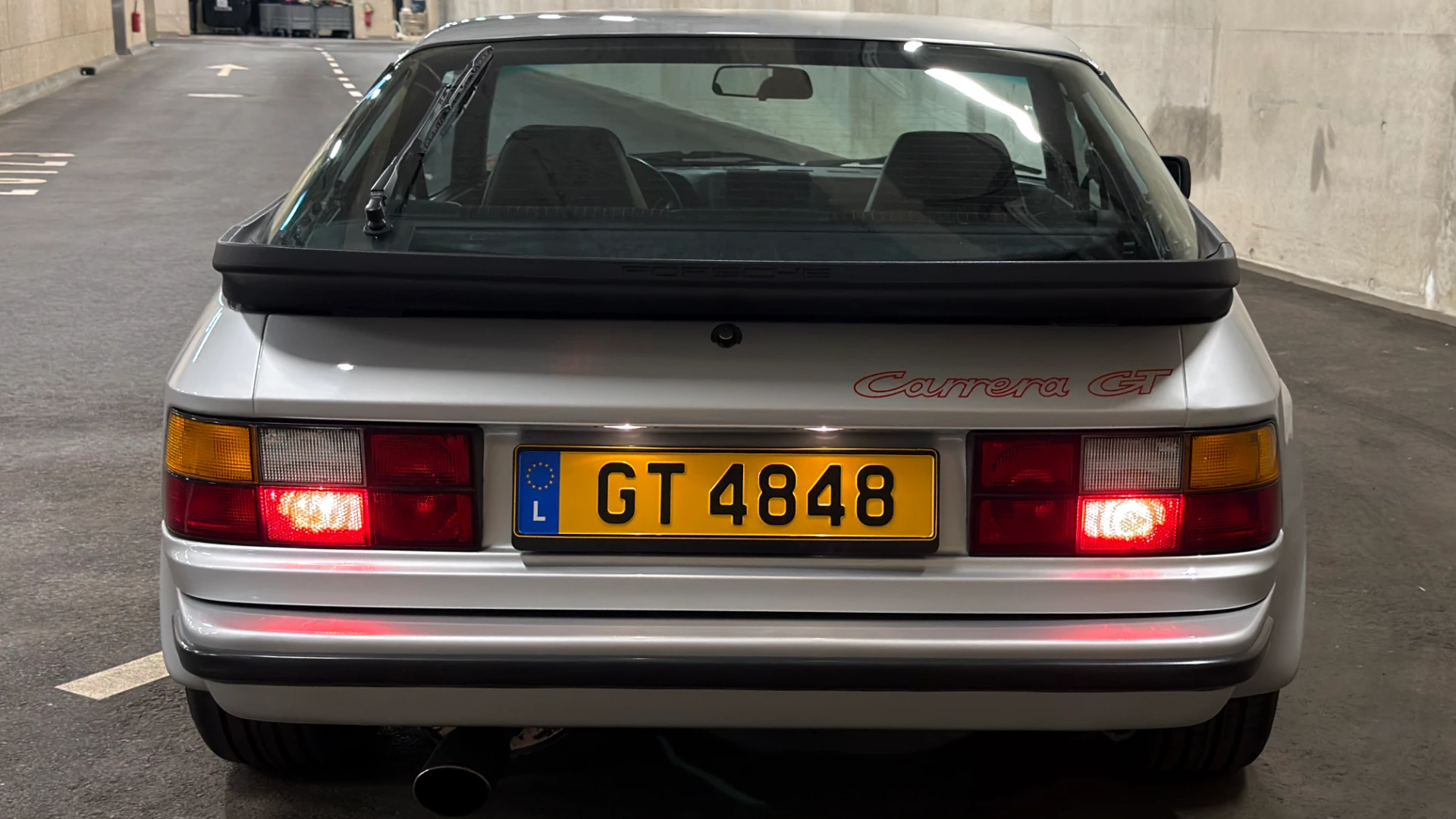
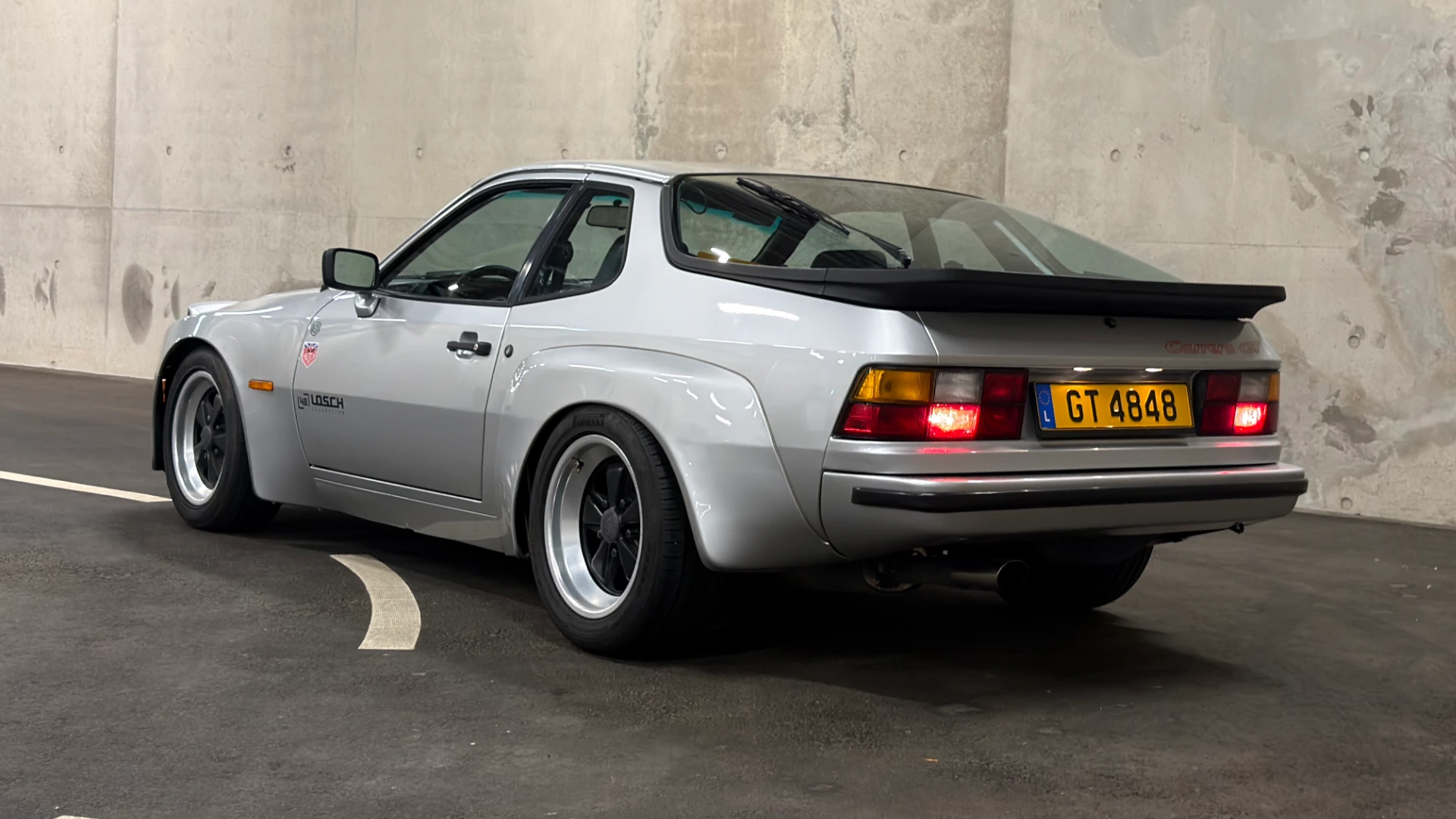
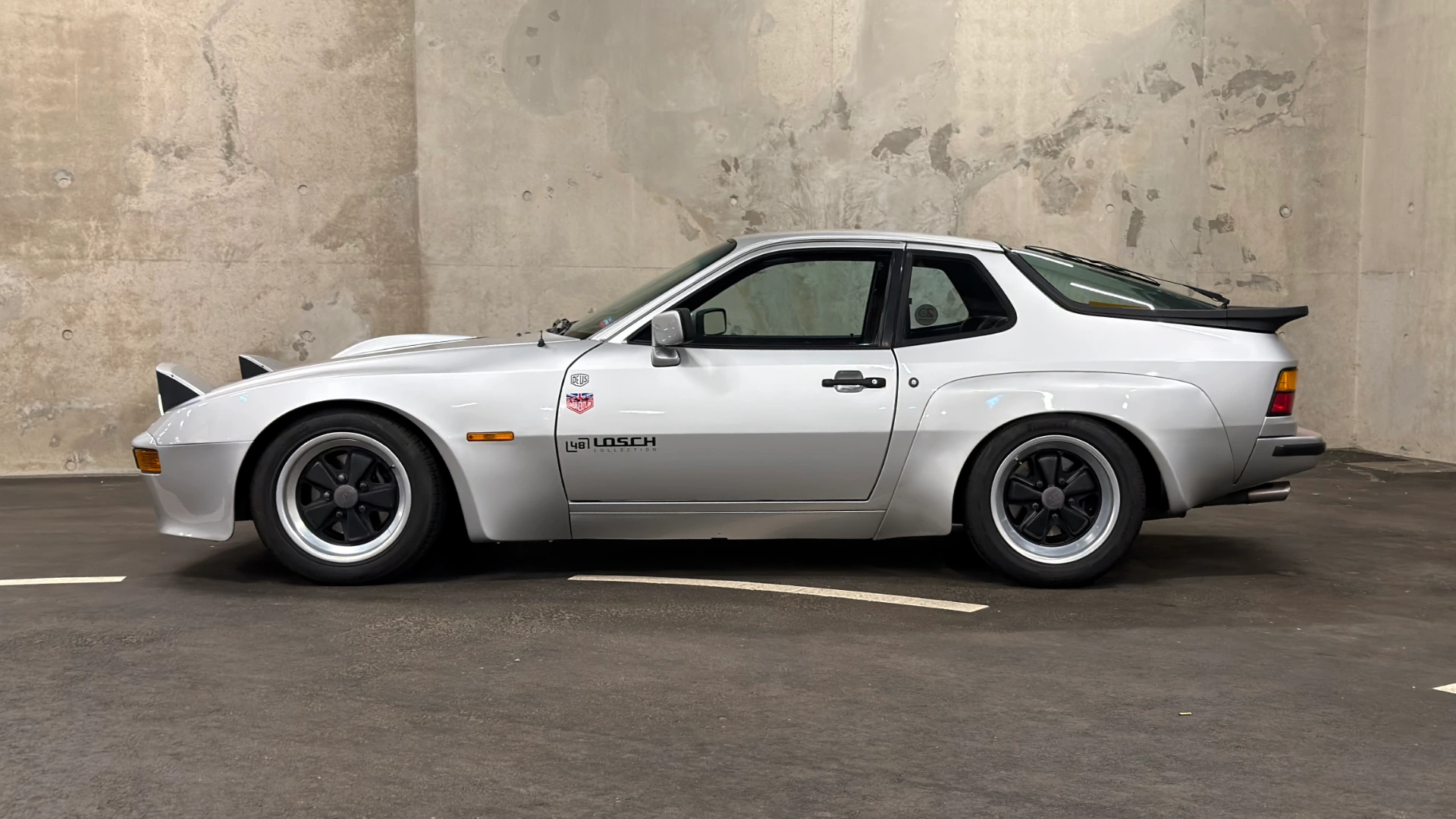
The Carrera GT adopts a much more aggressive appearance:
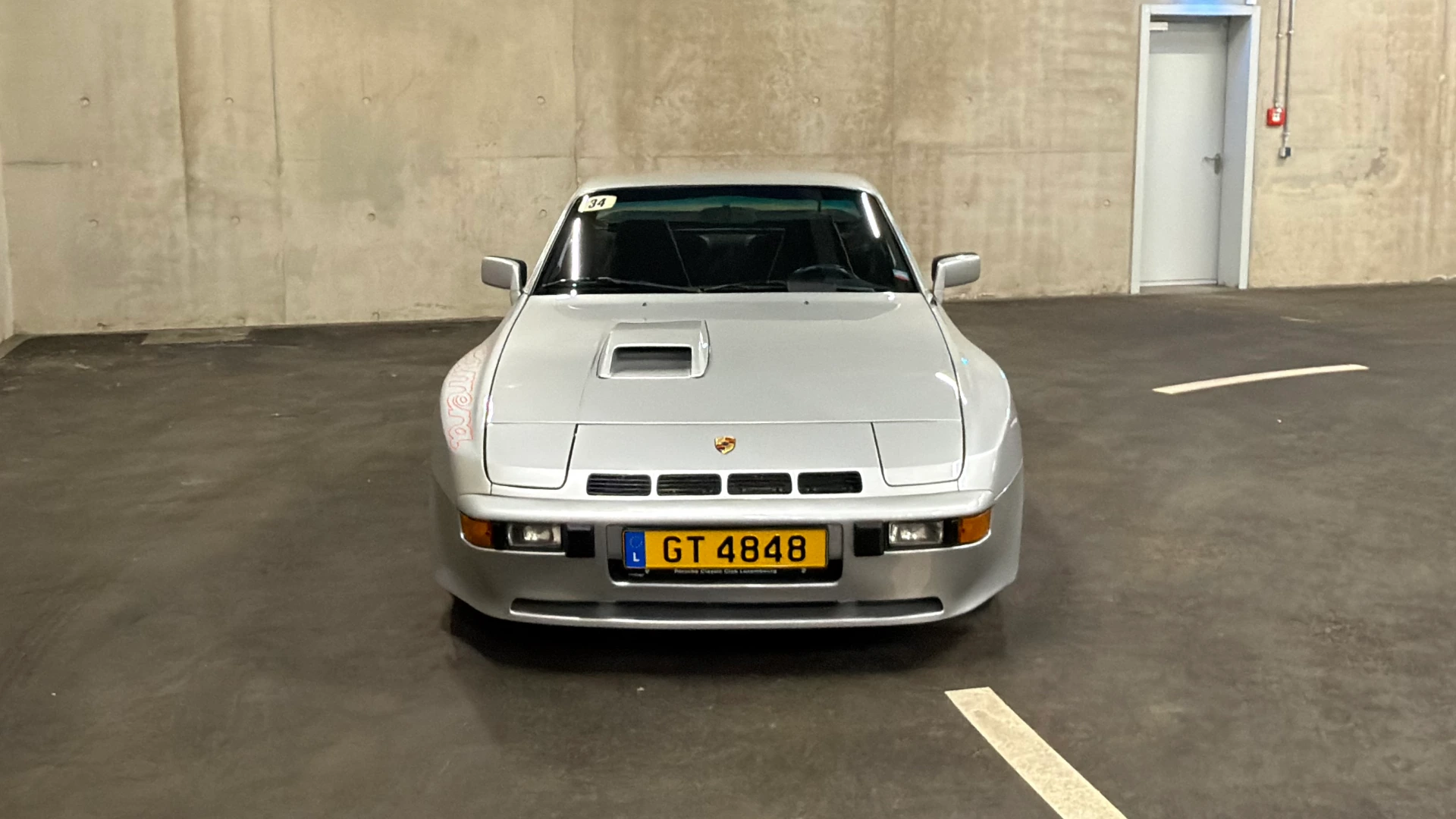
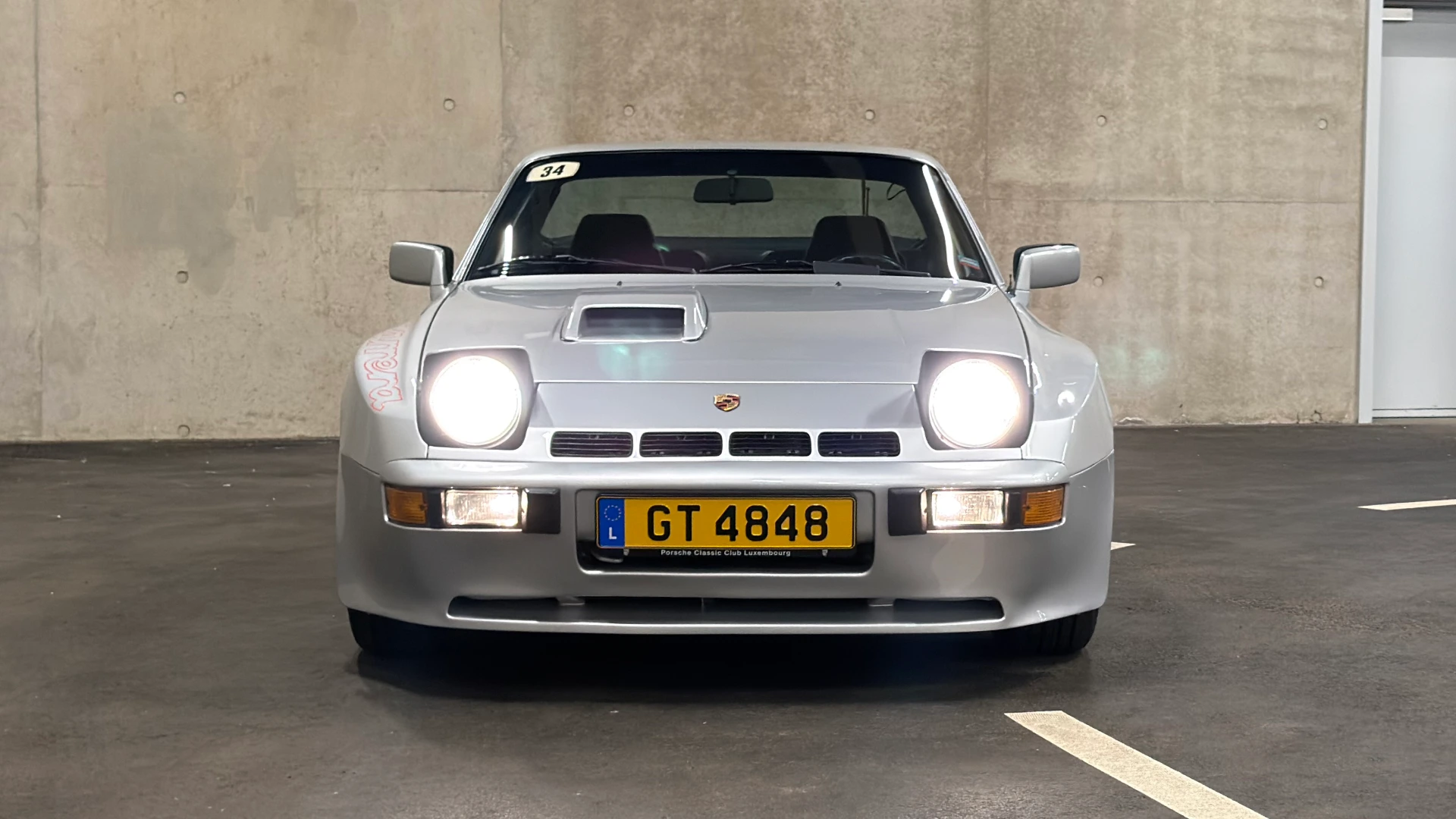
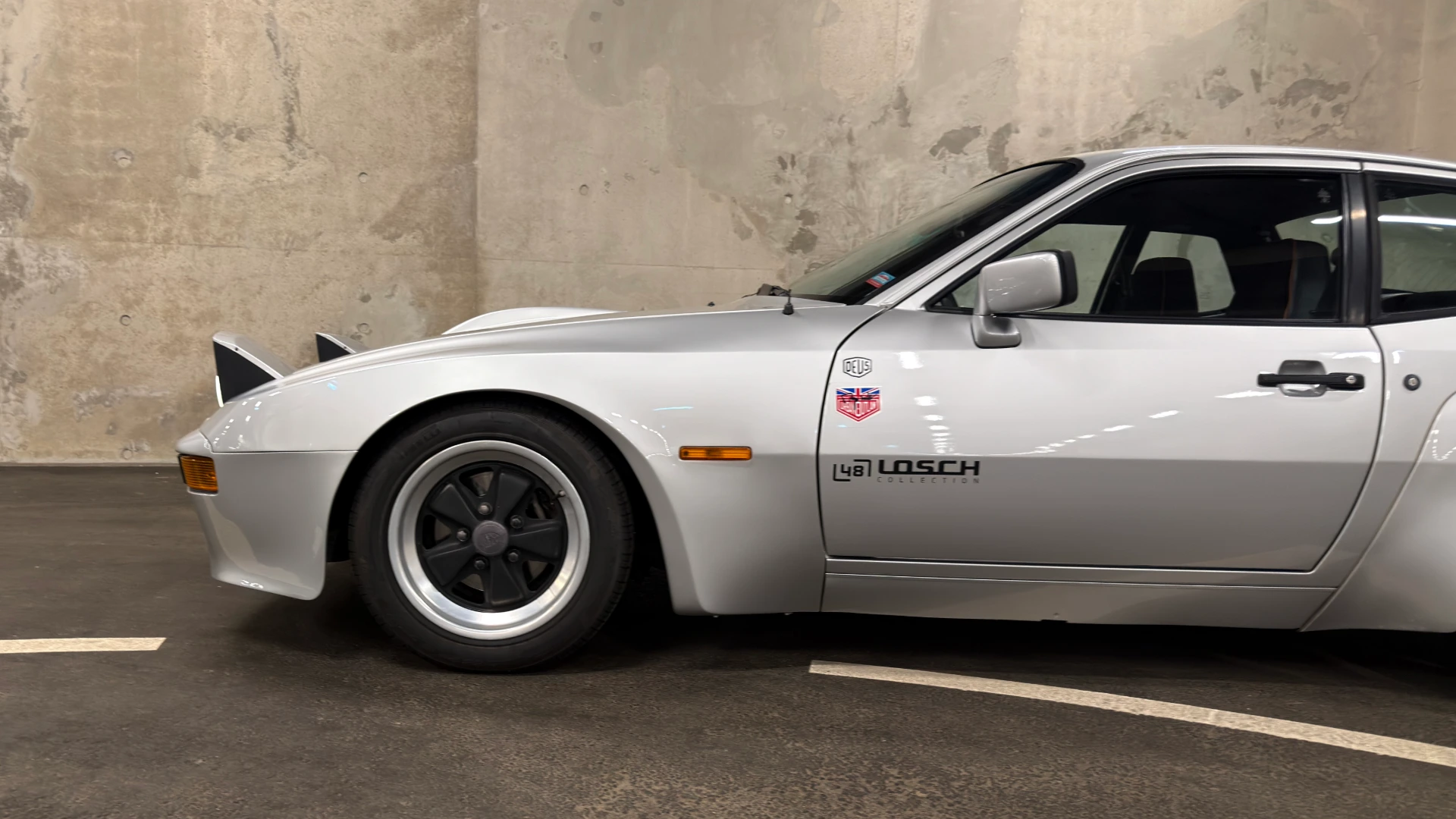
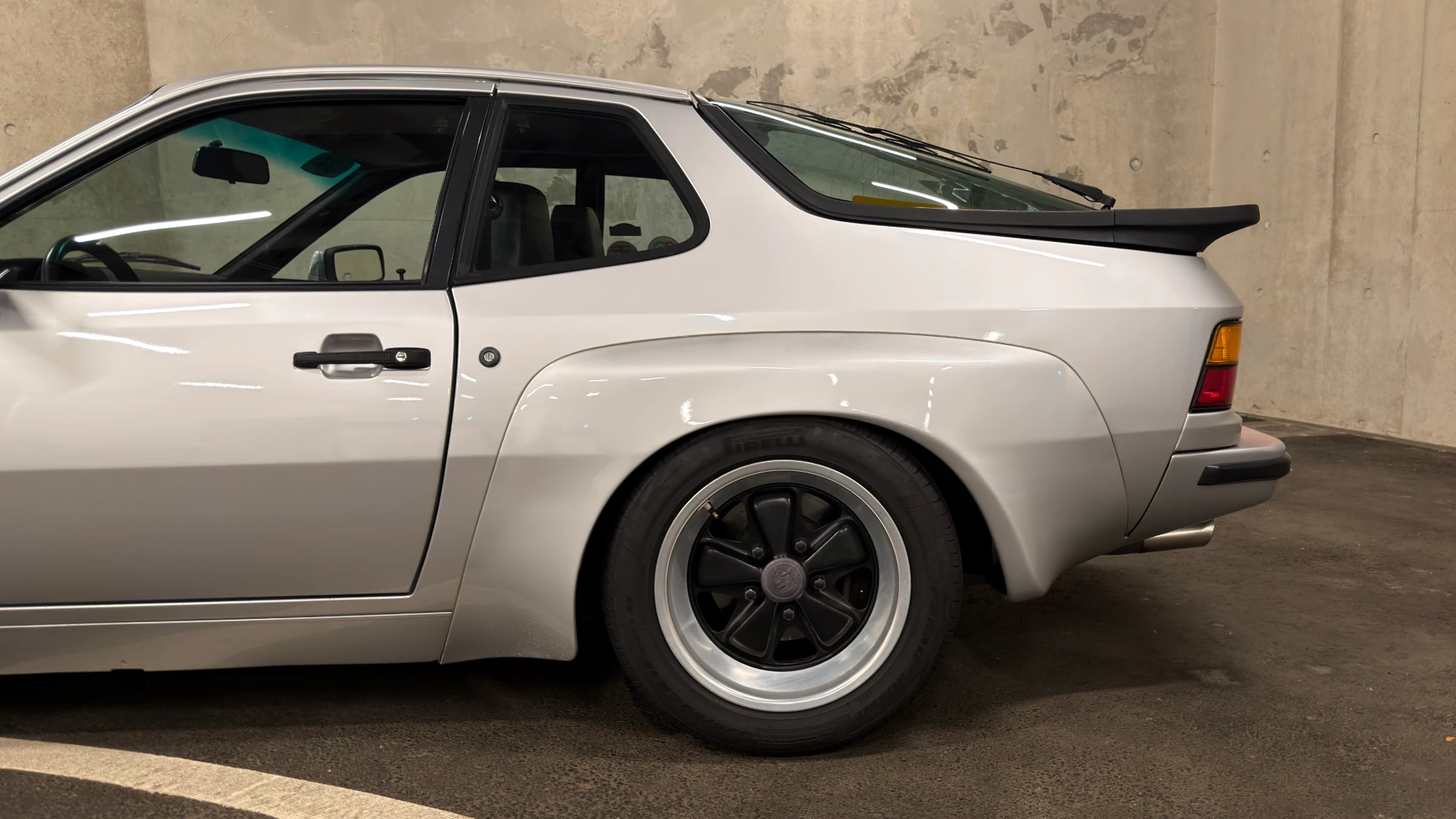
• Enlarged plastic fenders (precursor to the design of the future 944)
• Lightweight aluminium elements
• Wide front spoiler with additional air intakes
• Distinctive rear spoiler
• These changes improve aerodynamics, cooling, and stability at high speeds.
Competition versions of the 924 Carrera
-
Lightweight Competition Versions
A lighter version optimized for competition: Power: up to 245 hp; Production: about 50 examples
-
Extreme Racing Equipment
Numerous racing equipment, including roll cage and lightweight windows
-
Competition GTR Version
The most extreme competition version: Power: approx. 375 hp; Entries: notably at the 24 Hours of Le Mans (1981); Extreme lightweighting and far-reaching technical changes
-
Racing Transformation
These versions transformed the 924 into a real racing car, capable of competing internationally.
Production & rarity
• Porsche 924 Carrera GT: 406 units produced
• Of which right-hand drive: 75 units (for the UK)
Due to this low production and its connection to competition, the Carrera GT is now one of Porsche's rarest and most valuable Transaxle models.
Importance for Porsche
The 924 Carrera GT was much more than just a homologation model:
• It has durably improved the image of the 924.
• It served as the technical and stylistic basis for the future Porsche 944.
• It demonstrated Porsche's ability to transform an entry-level model into a true performance sports car.
• Today, the Carrera GT is a highly prized model for collectors and is an essential chapter in Porsche's history.