
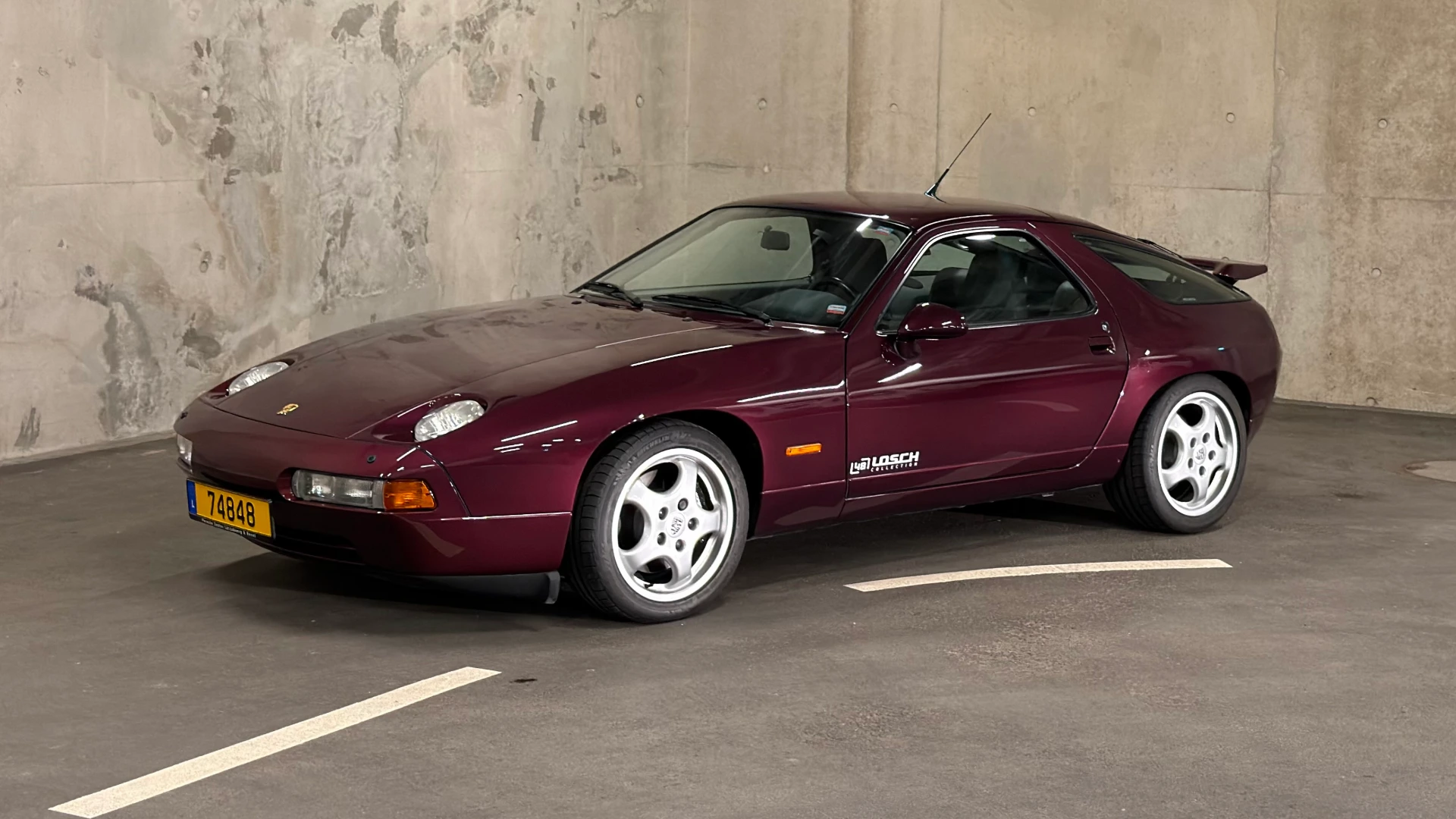
Porsche 928 GTS
Introduction
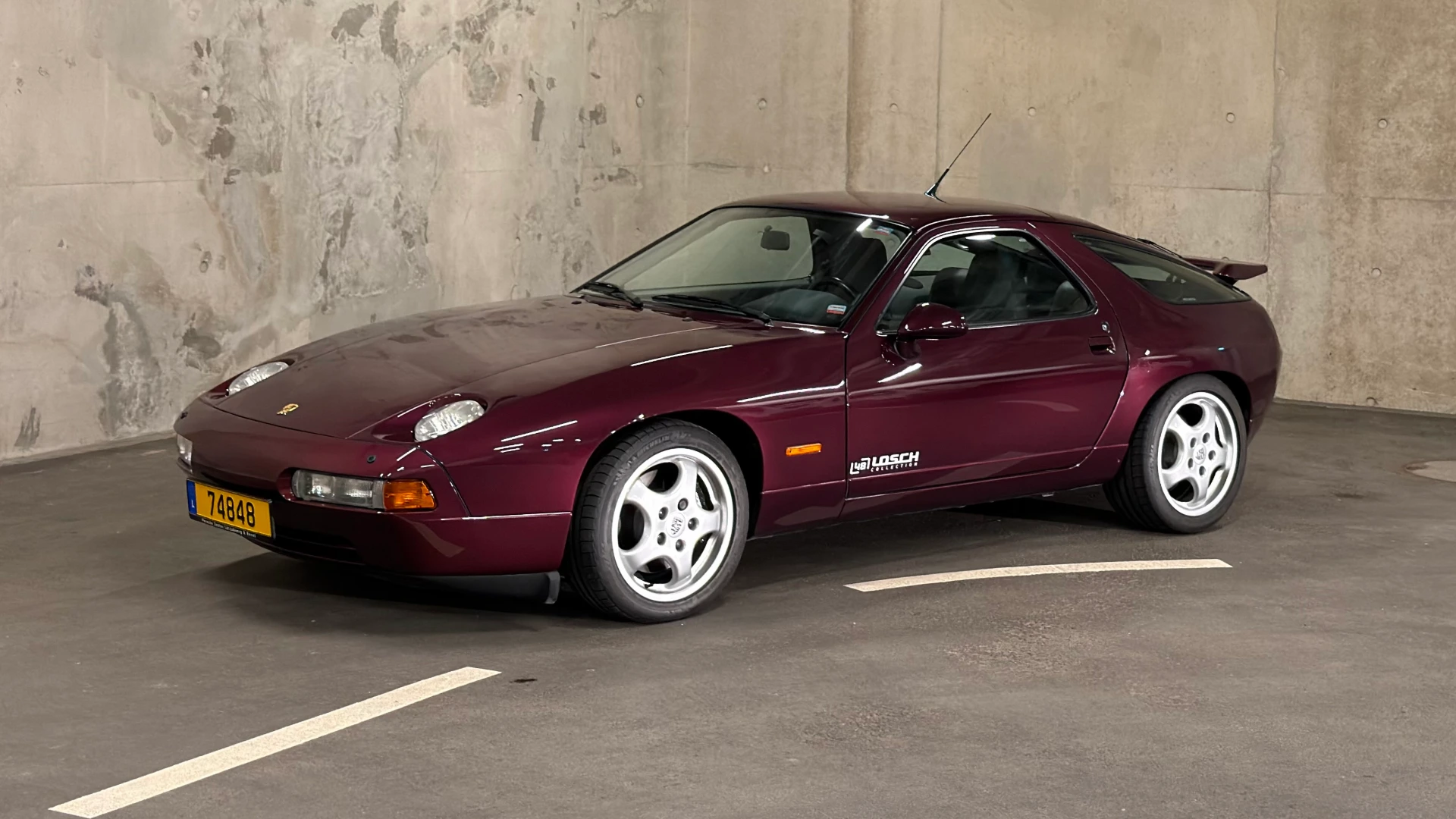
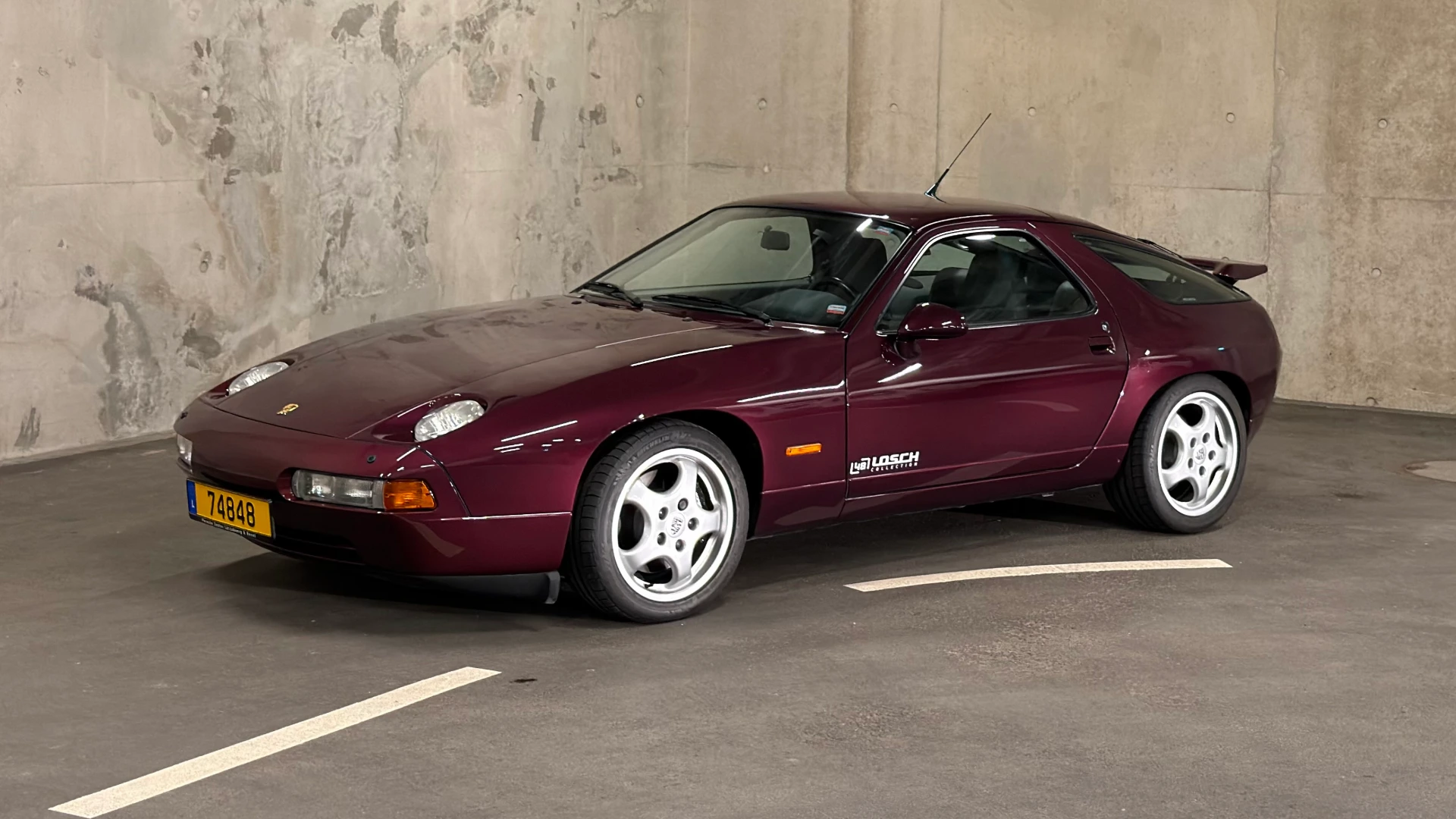
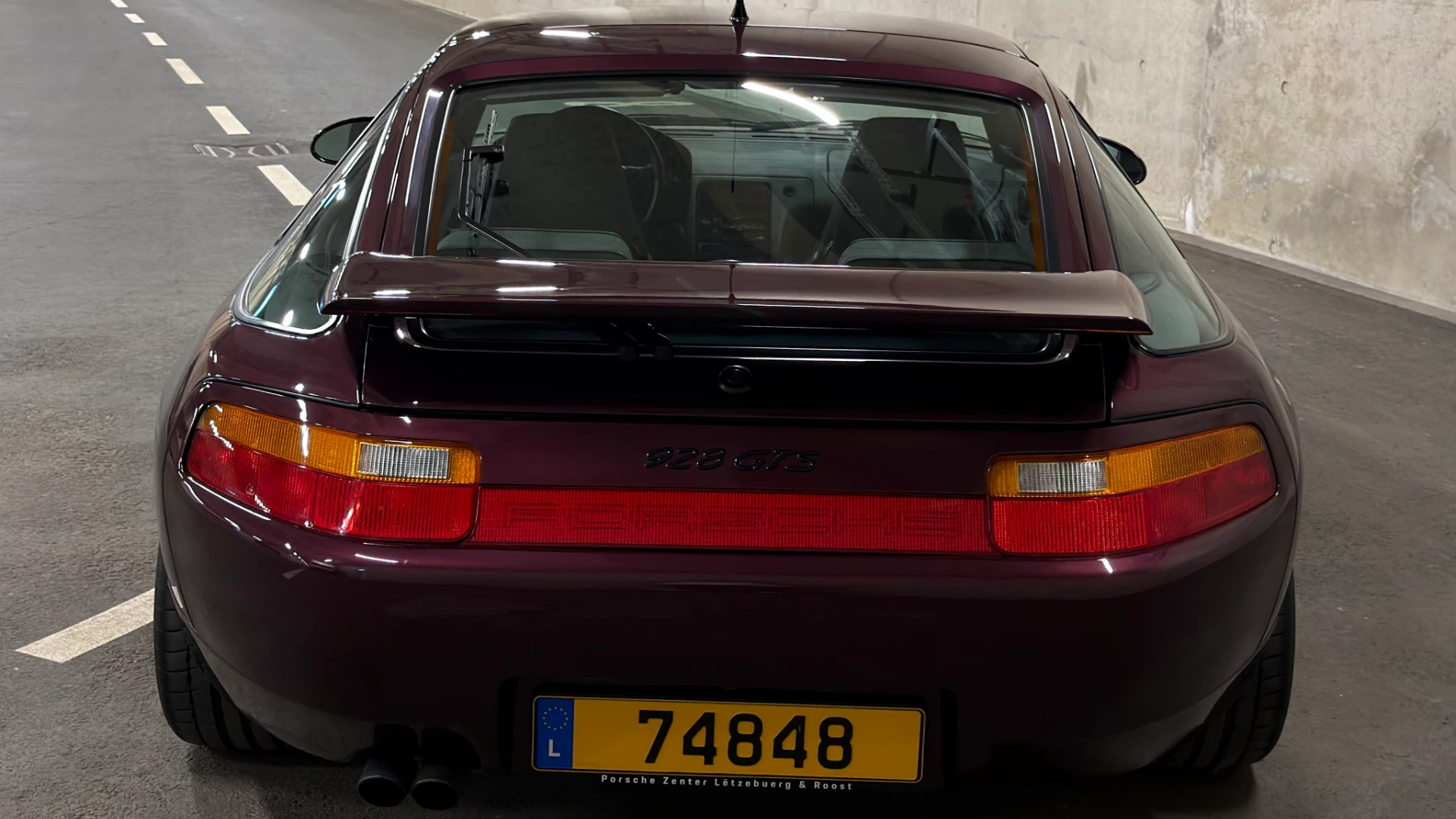
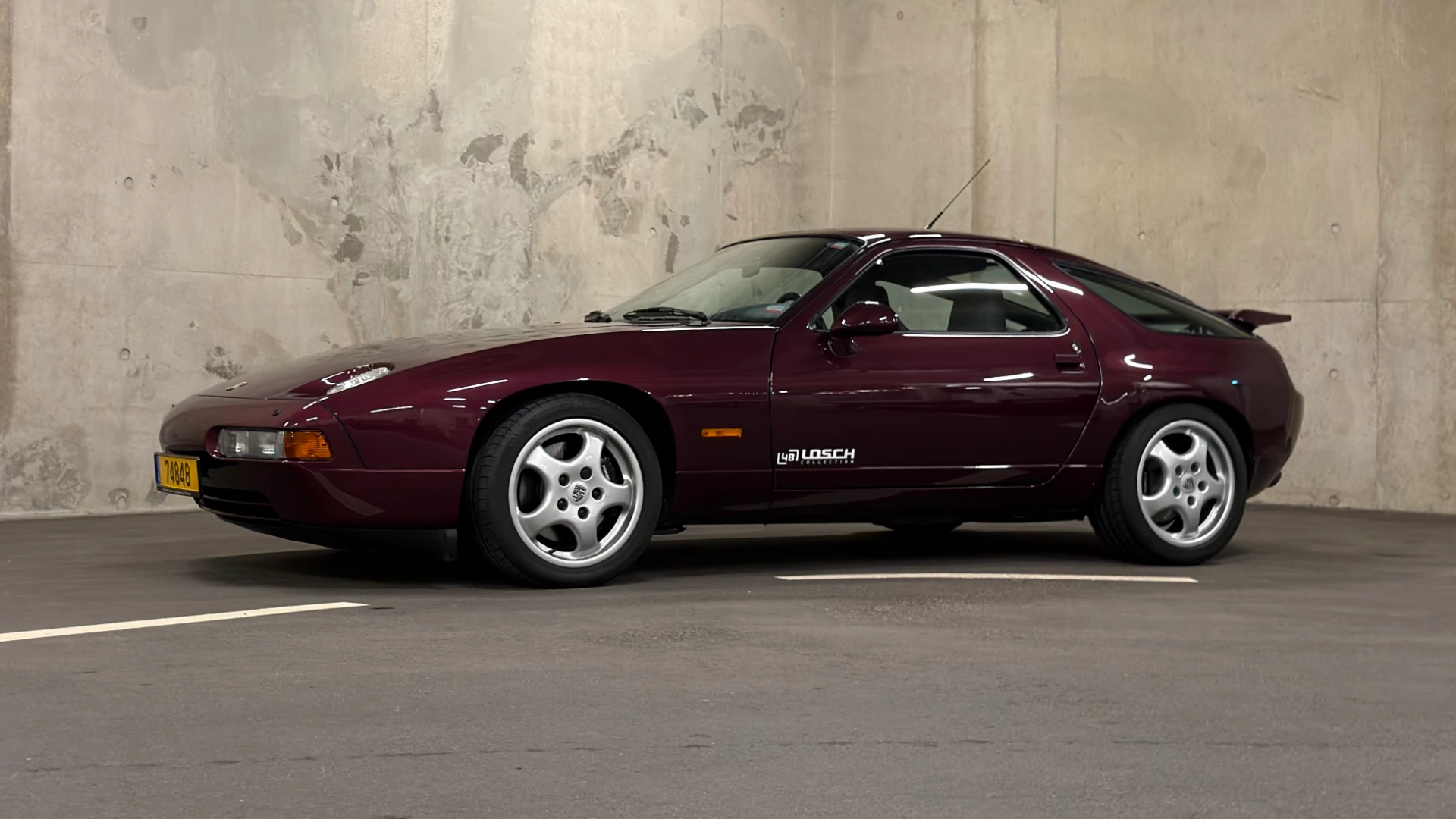
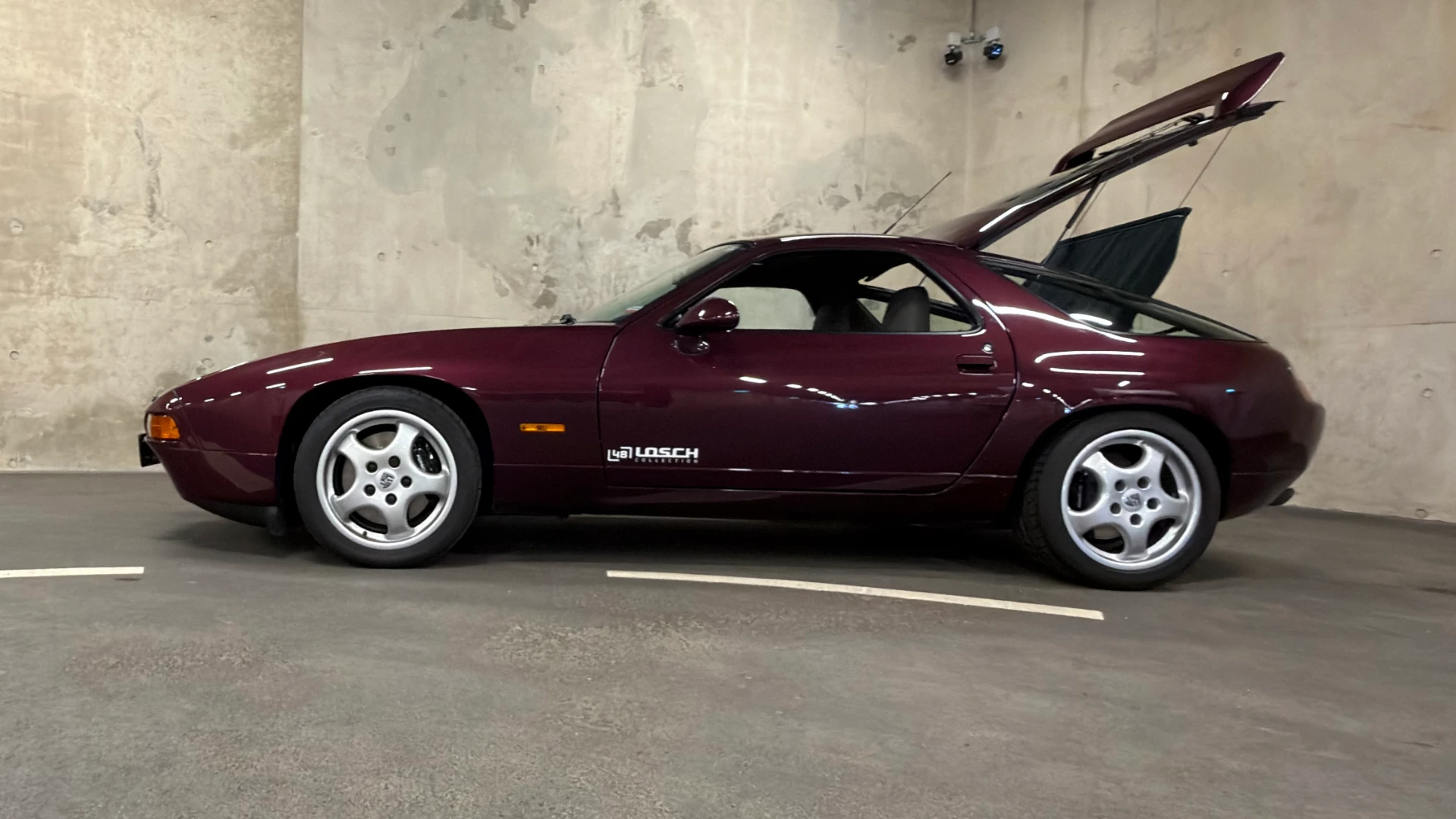
The 1993 Porsche 928 GTS is one of the most powerful and sought-after versions in the entire 928 lineup. With its 5.4-litre V8 engine with 350 hp, it represents the technical pinnacle of one of the most extraordinary projects in Porsche's history – a grand tourer originally designed as a possible successor to the 911.
The genesis of the Porsche 928 – Towards a new concept
-
Concept Development
In the early 1970s, Porsche began to develop a completely new vehicle.
-
Design Philosophy
The idea: a modern Gran Turismo with excellent long-distance capability, luxurious comfort, and sporty performance worthy of Porsche.
-
Market Targeting
At that time, Porsche was even considering a long-term replacement for the 911, whose air-cooled rear-engine concept seemed to be reaching its technical limits. The 928 was to usher in a new era and appeal particularly to the American market.
-
Engine Configuration
The 928 differs radically from the classic 911: front engine instead of rear engine, V8 instead of six-cylinder boxer, Transaxle architecture (engine at the front, gearbox on the rear axle).
Launch in 1977 – A futuristic pioneer
Premiere in Geneva
The presentation of the Porsche 928 at the Geneva Motor Show in 1977 caused a sensation. With its modern design and new V8 engine, it ushers in a completely new chapter in Porsche history.
Design and choice of materials
Features of the first generation:
• Futuristic lines
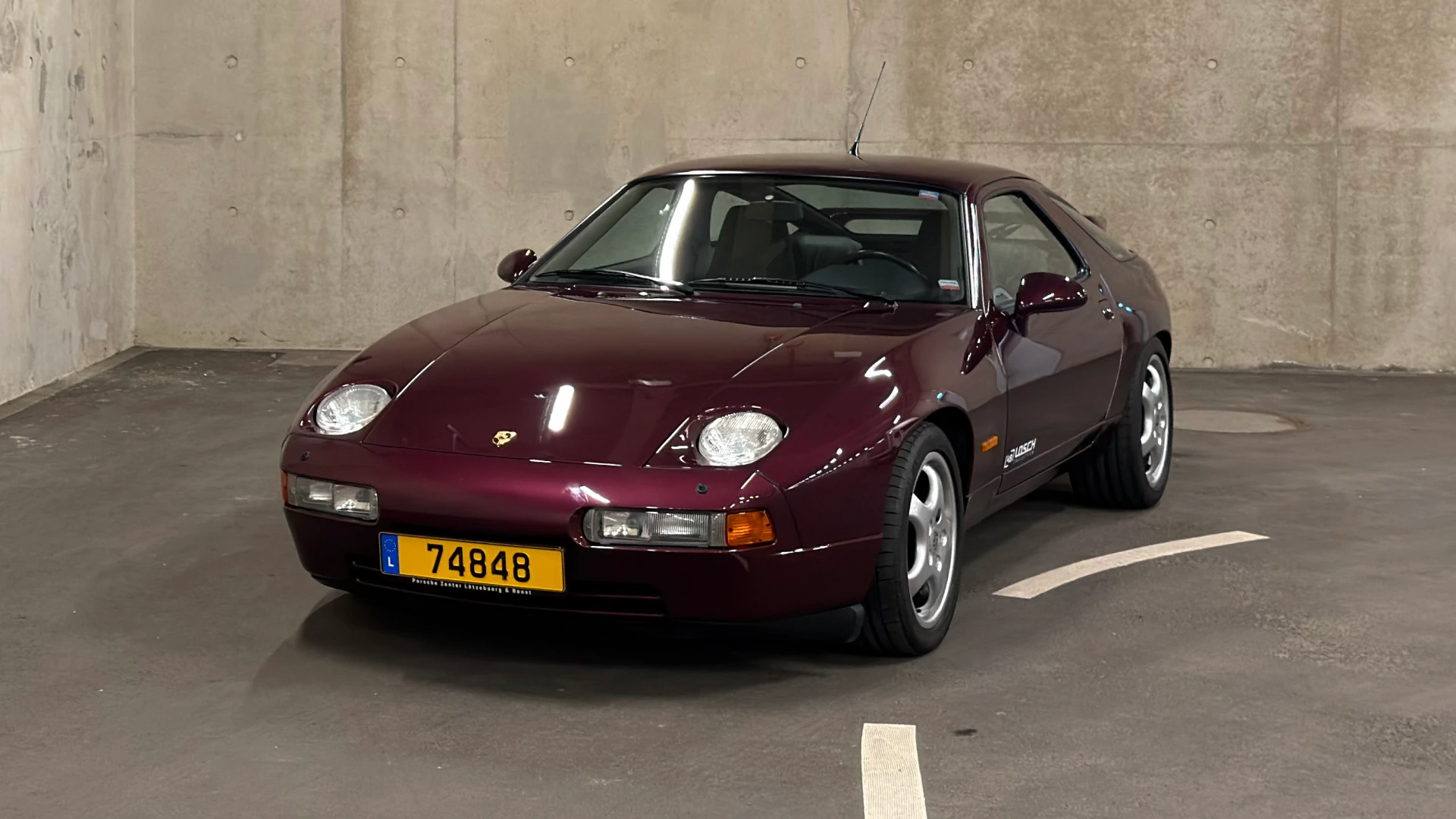
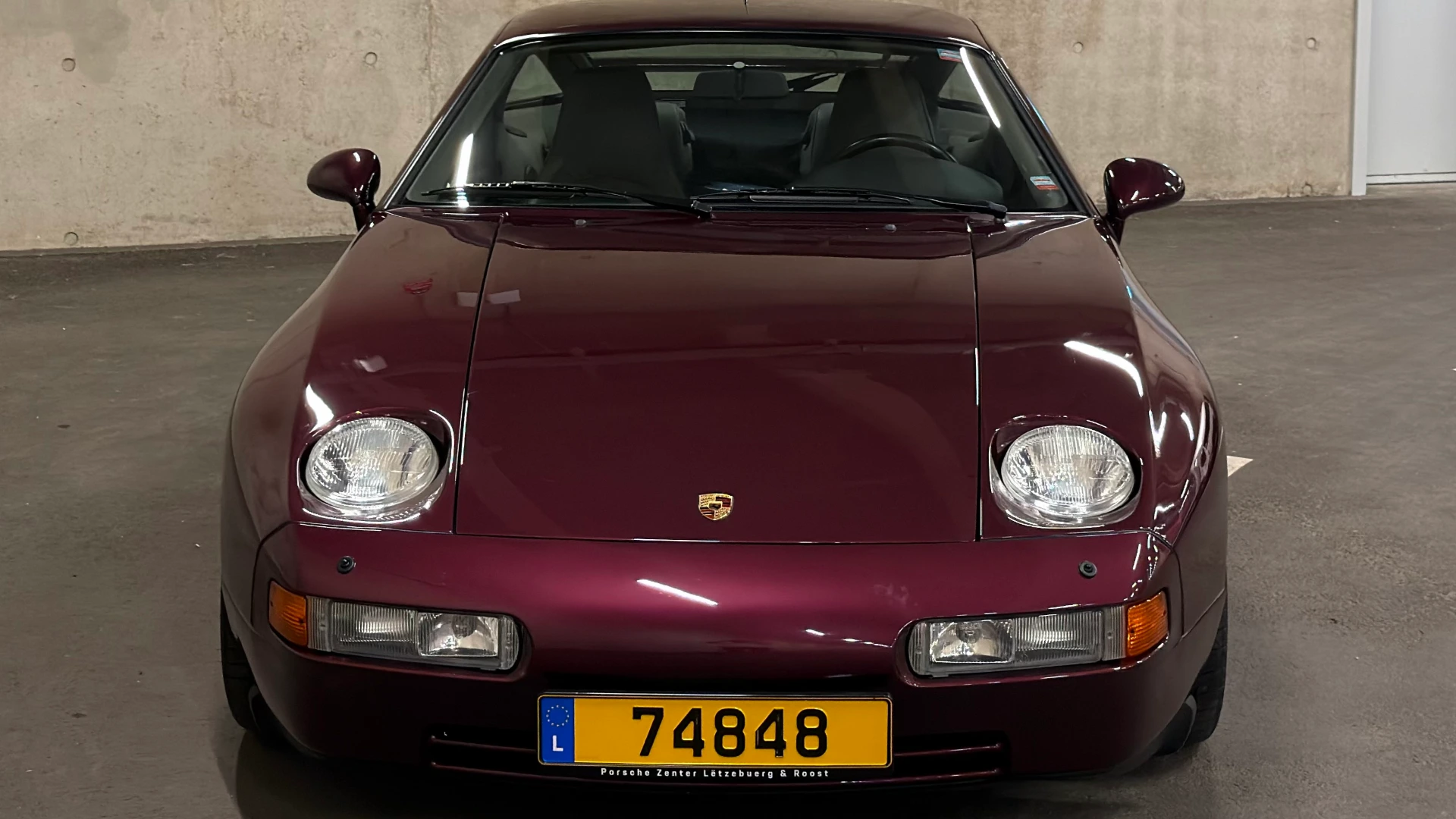
• iconic pop-up headlights,
• massive stern with integrated light strip,
• Use of aluminum for the engine block, doors and front fenders to reduce weight.
First V8 engine in a Porsche
The 928 is the first production Porsche with a water-cooled V8:
• 4.5 liters of displacement,
• 240 hp,
• More than 230 km/h top speed. A revolution for the time.
928 Technical Highlights
-
Weight Distribution
The ideal weight distribution makes the 928 one of the best sports GTs of its time.
-
Rear Axle Architecture
Weissach Rear Axle
-
Aluminum Construction
Many of the body elements are made of aluminum to compensate for the weight of the front engine.
Evolution of the range (1980–1995)
Over the years, the 928 has been continuously optimized, modernized and improved in performance.
S (1980)
• 4.7 liters
• 300 hp
S4 (from 1986)
• revised aerodynamics,
• 5.0 liters,
• 320 hp,
• 270 km/h peak.
GT (from 1989)
• sportier settings,
• 330 hp,
• even more precise handling.
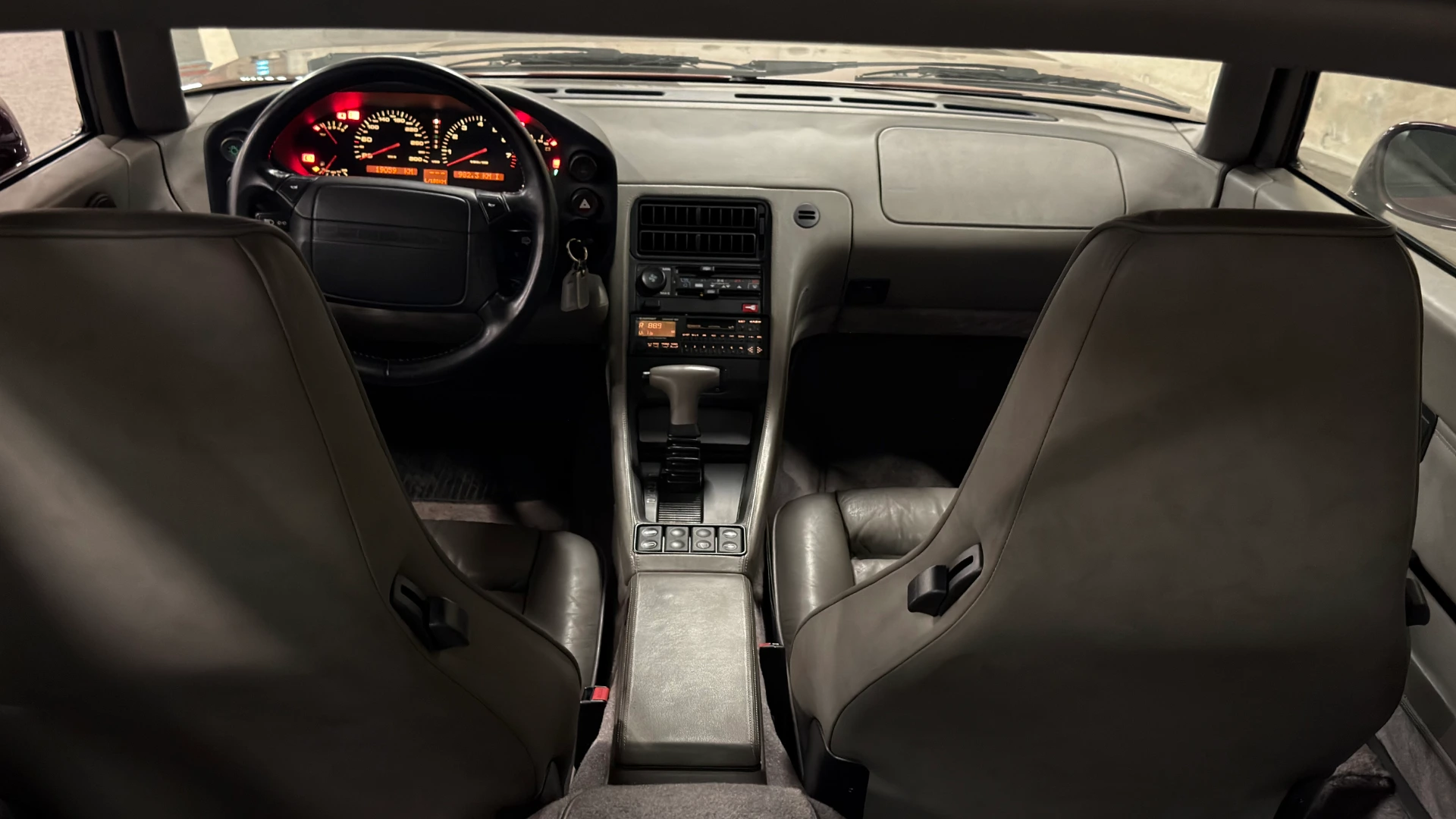
GTS (1992–1995) – The flagship model
• 5.4-litre V8,
• 350 hp,
• enlarged rear,
• larger braking system,
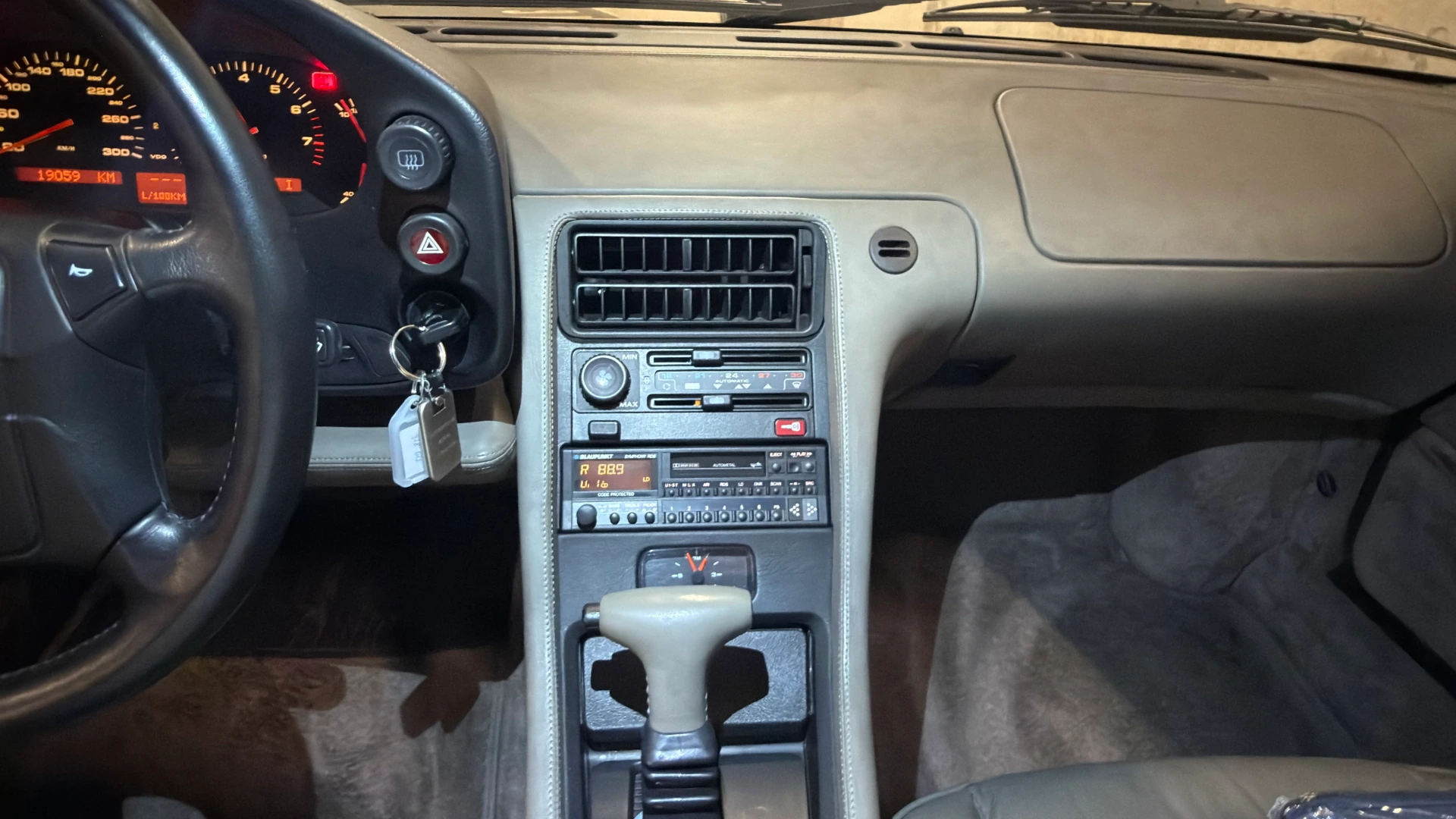
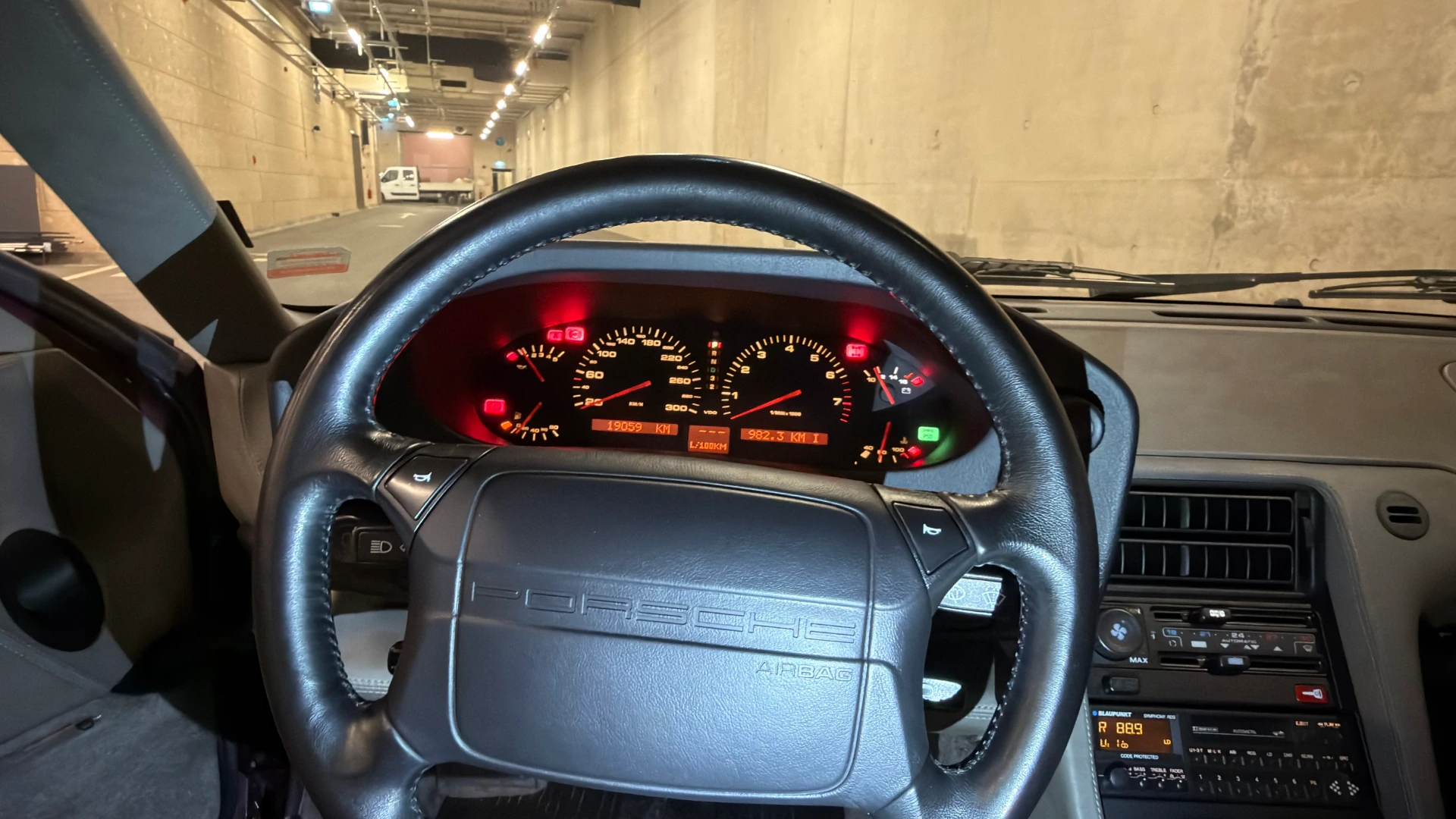
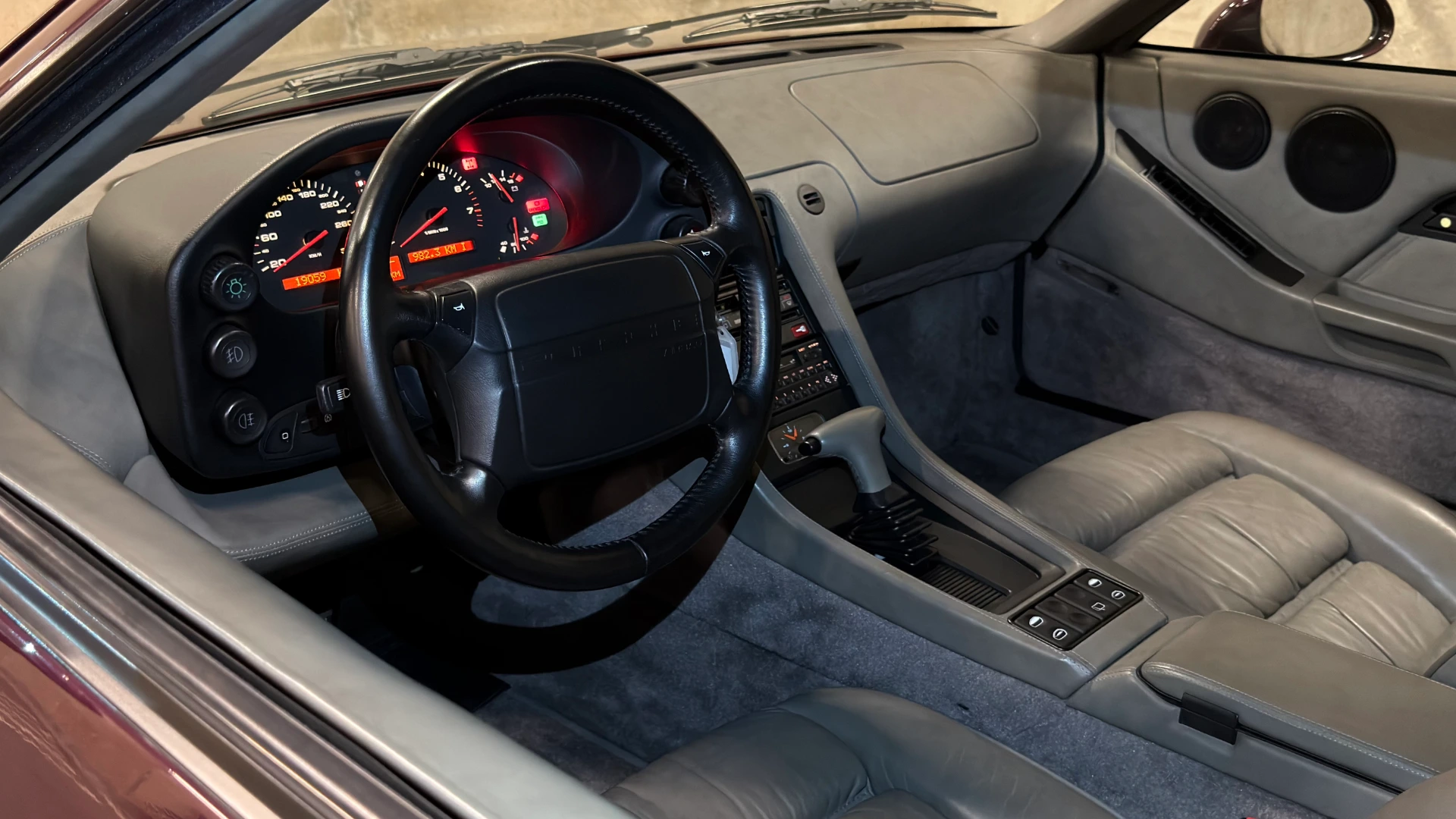
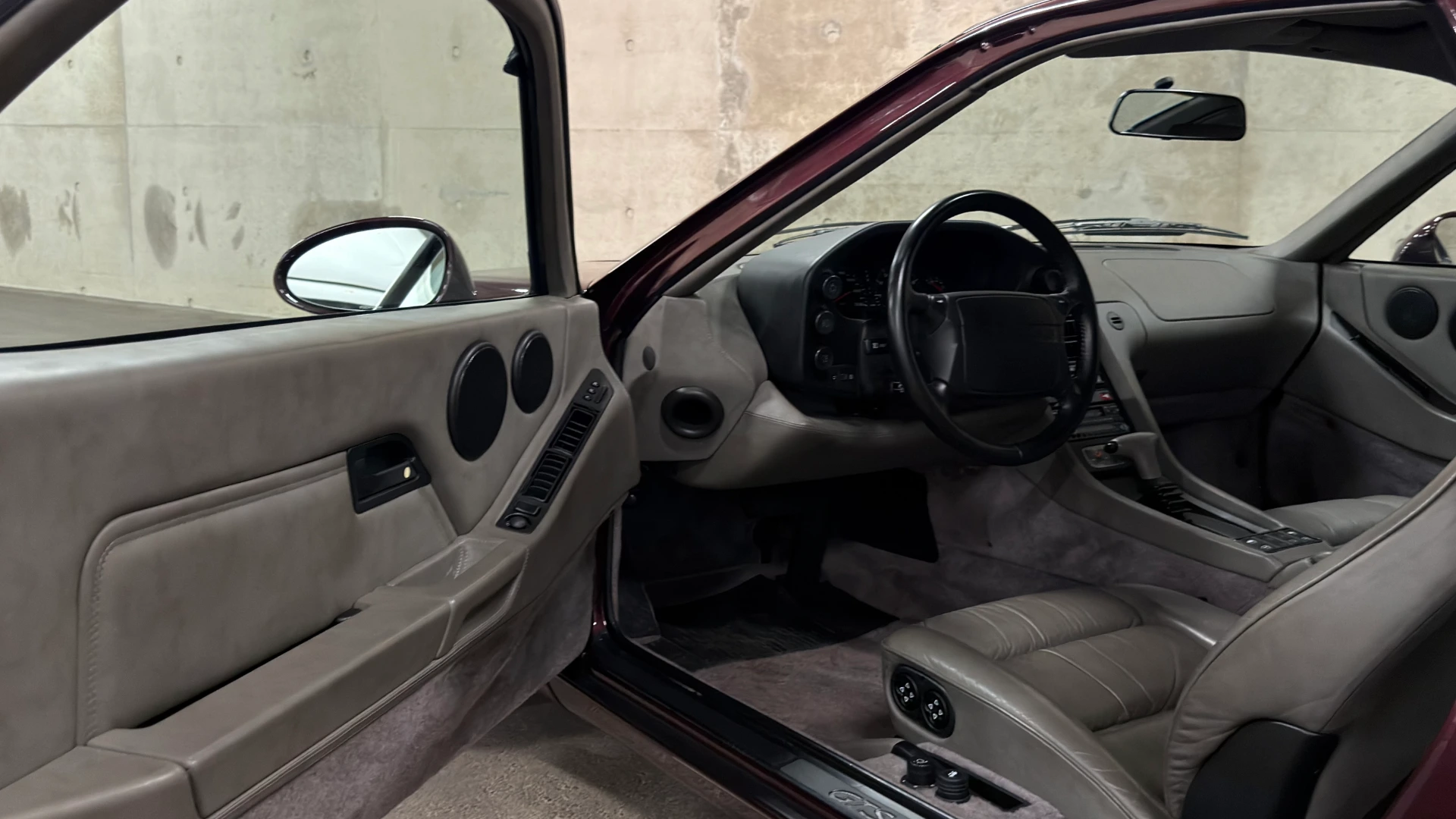
• modernized interior.
The GTS represents the culmination of the development of the 928 and is today the rarest and most popular version.
Successes and criticisms
-
Porsche's First European Car of the Year
In 1978, the Porsche 928 was voted 'European Car of the Year' – the first and only sports vehicle to have won this title.
-
Market Reception Challenges
Although technically remarkable, the 928 never achieved the popularity of the iconic 911. The reasons: high production costs and selling prices, traditional Porsche customers still attached to the 911, Grand Touring concept sometimes considered too little 'purist'.
-
End of Production
After 61,056 units were produced, production stopped. The market was once again demanding sportier cars – Porsche then focused on the 911 and, later, the Boxster.
Importance of the Porsche 928 – Today a cult classic
The Porsche 928 was a bold and visionary project. Ultra-modern, luxurious and extremely powerful, it set new benchmarks for the GTs of its time.
Today, it is considered to:
• a fascinating alternative to the 911,
• a technically impressive classic,
• a highly sought-after model, particularly in its GTS version.
A special example: a piece of Luxembourg's Porsche history
-
Porsche 928
The vehicle was the last Porsche 928 personally driven by André Losch.
-
Luxembourg's Automotive Heritage
An important part of Luxembourg's automotive heritage, with an emotional value far beyond its technical characteristics.