
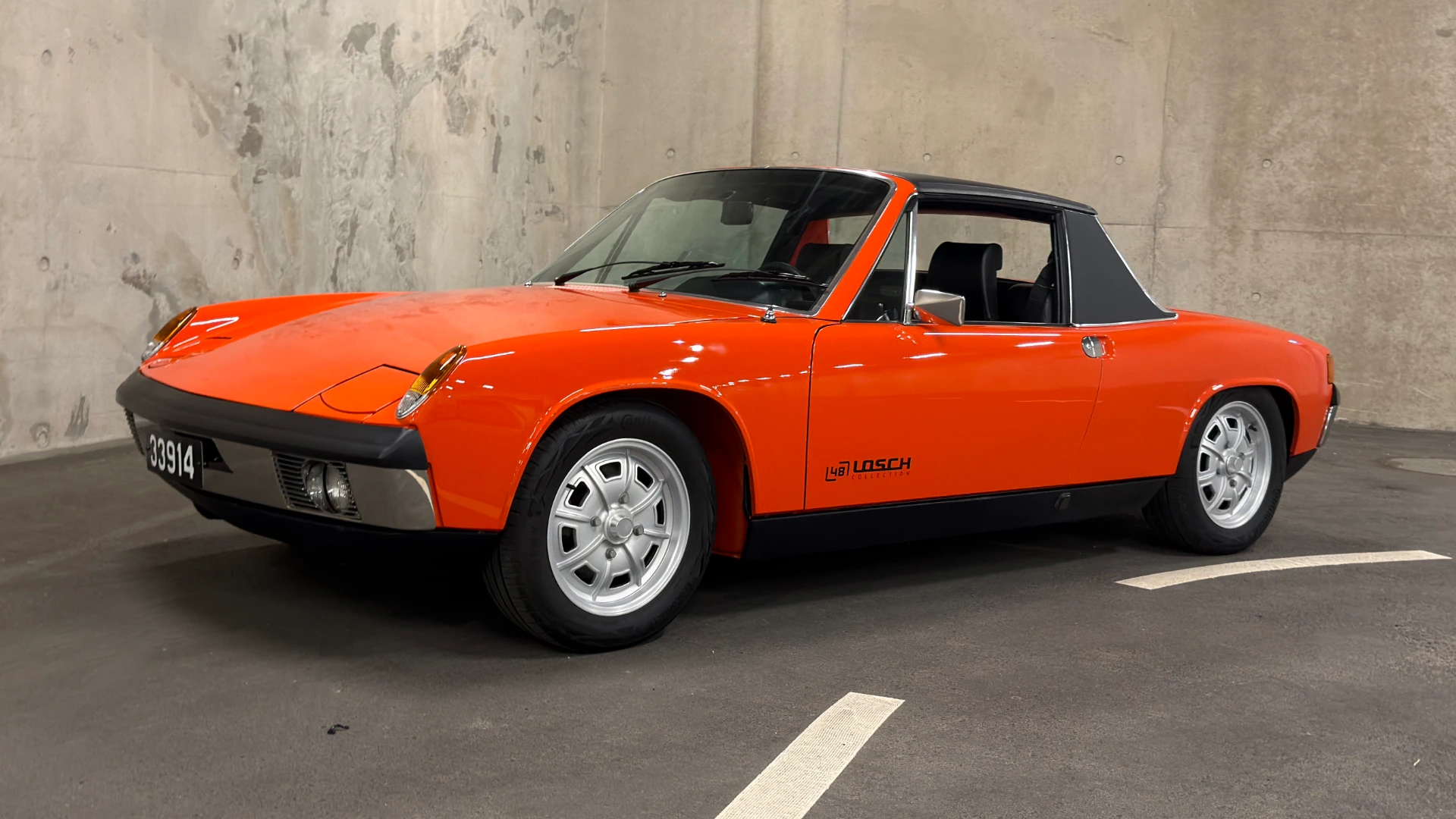
Porsche 914
Introduction – The VWPorsche 914: a sports car between two worlds
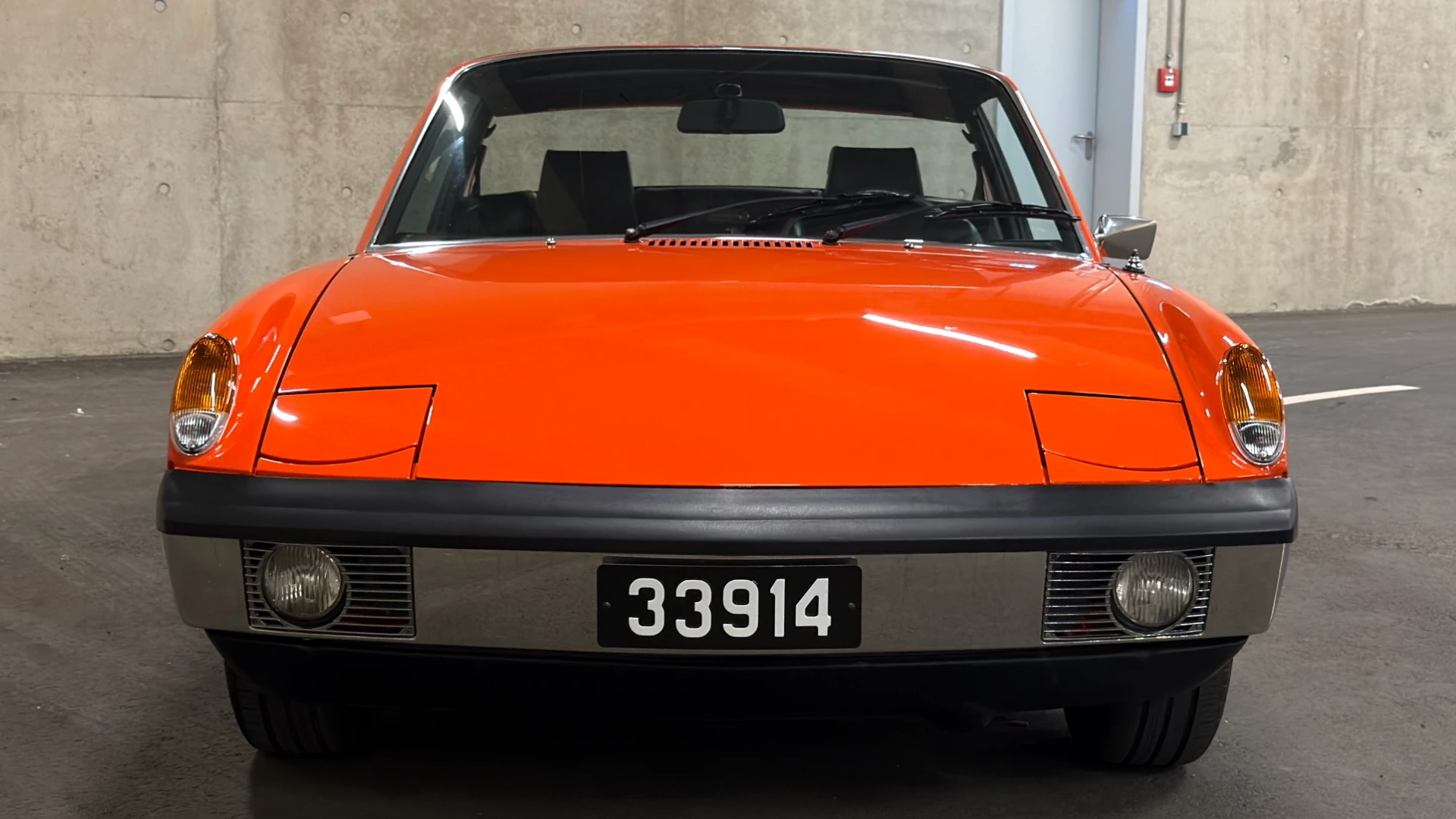
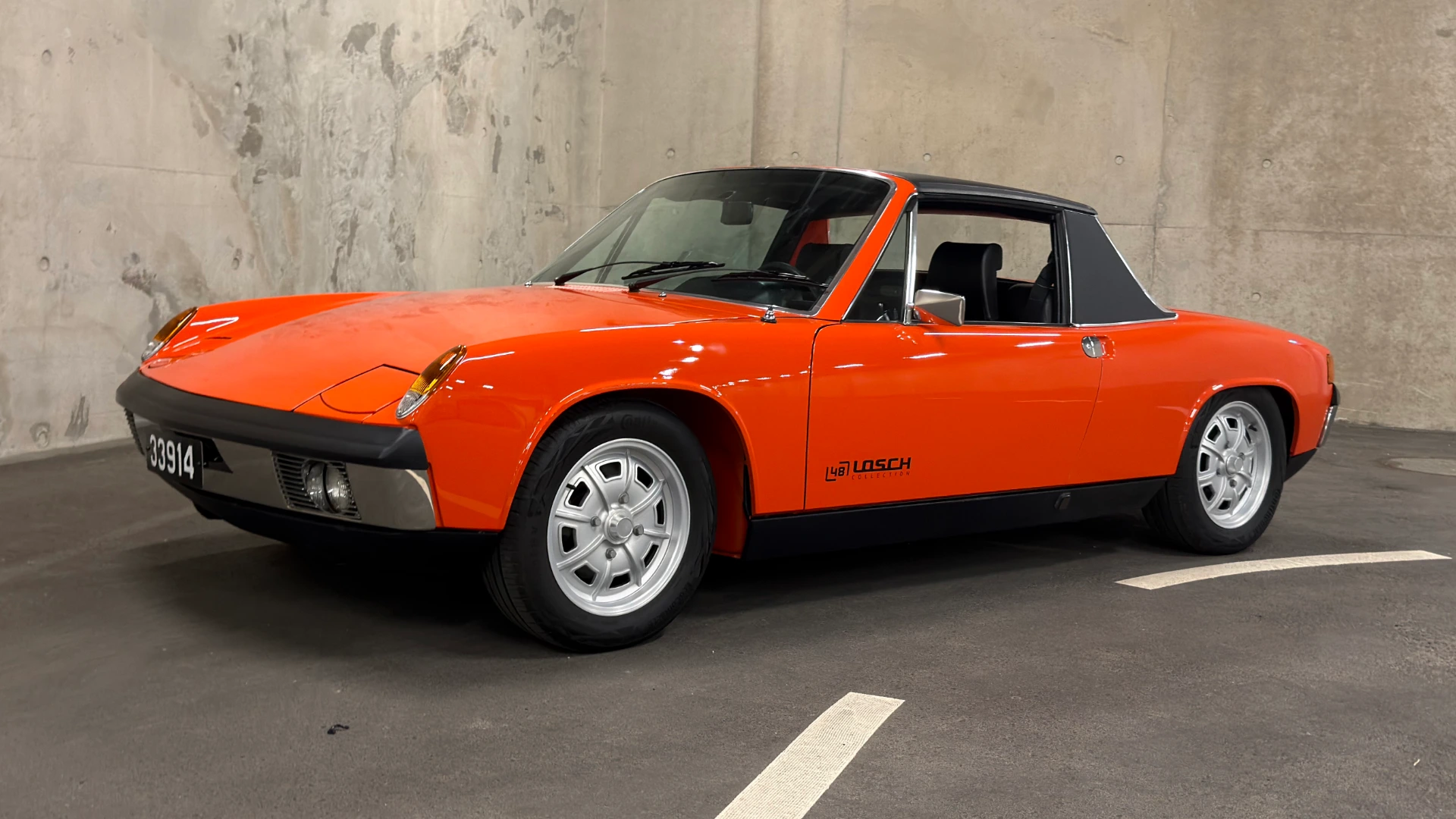
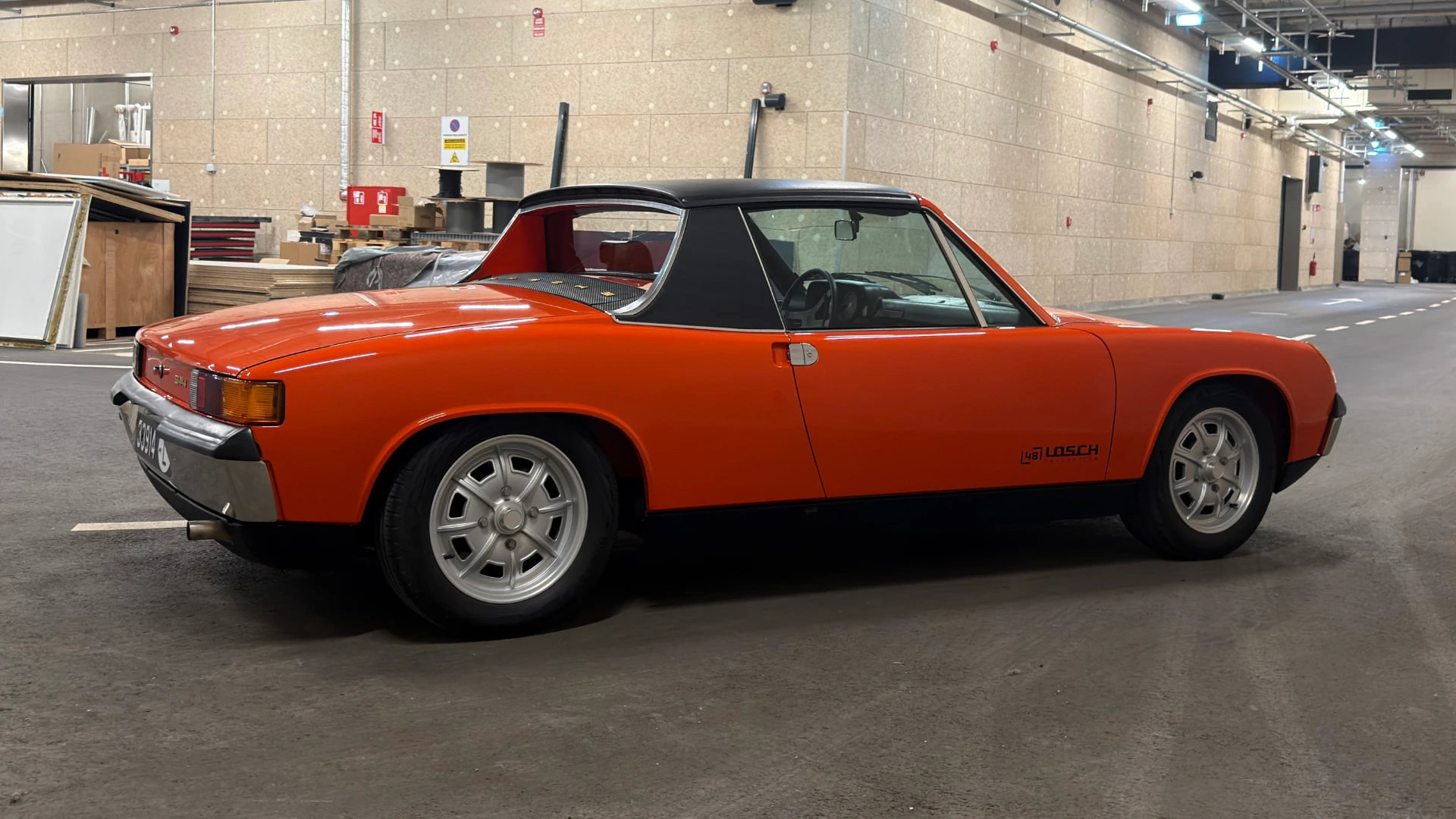
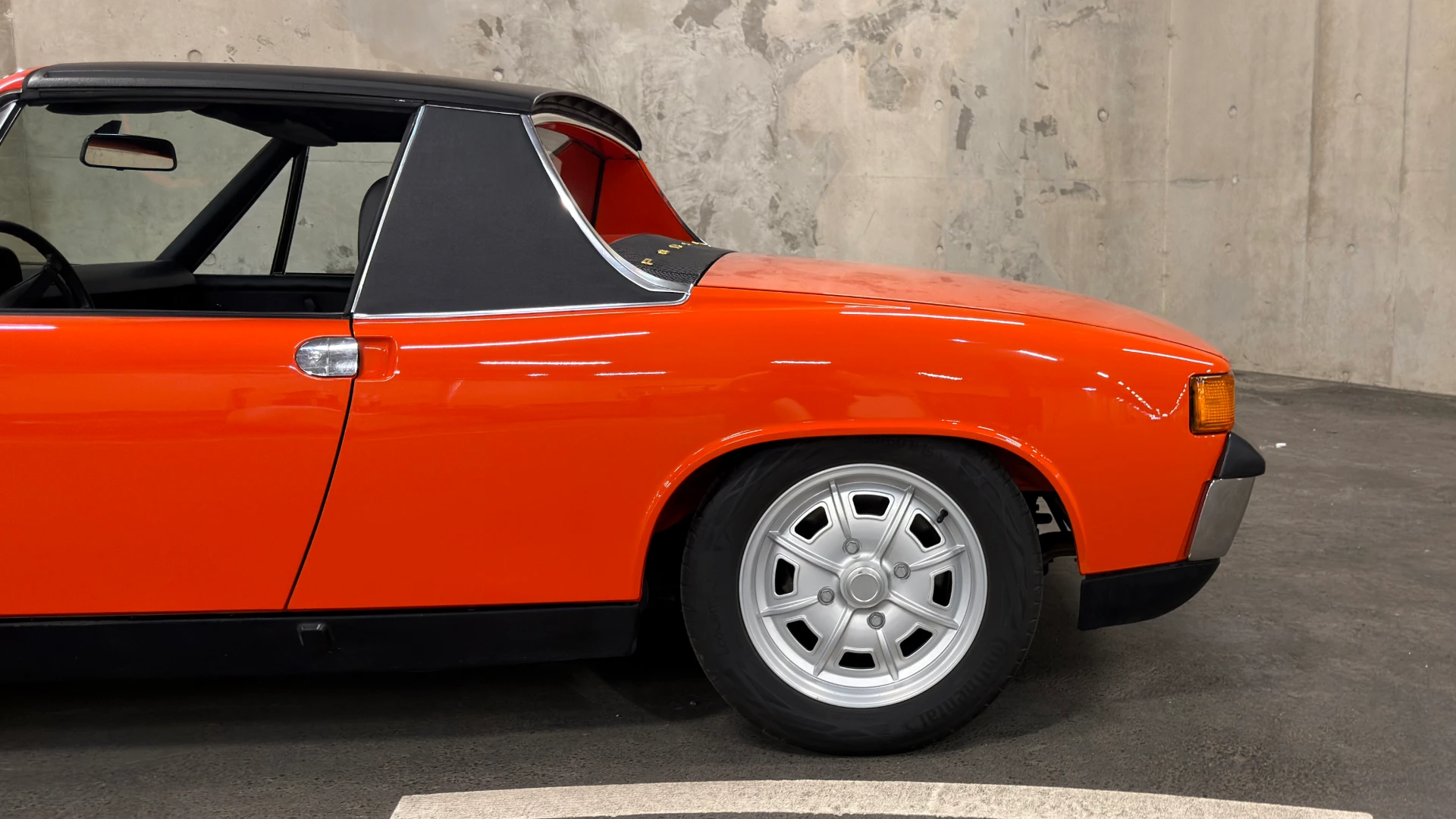
The VWPorsche 914 holds a very special place in automotive history. The result of a joint project between Volkswagen and Porsche, it was intended to meet two distinct needs in the early 1970s:P for Volkswagen, it served as a modern replacement for the Karmann Ghia; for Porsche, it represented an entry-level model below the 911. The 914 was radically different from anything the two brands had produced before: a mid-engined, lightweight, purist sports coupé with a Targa roof, a sleek design and an attractive price. The 1972 model year marked a turning point: it was the year in which the 914/6 disappeared and the 914/4 definitively dominated the range.
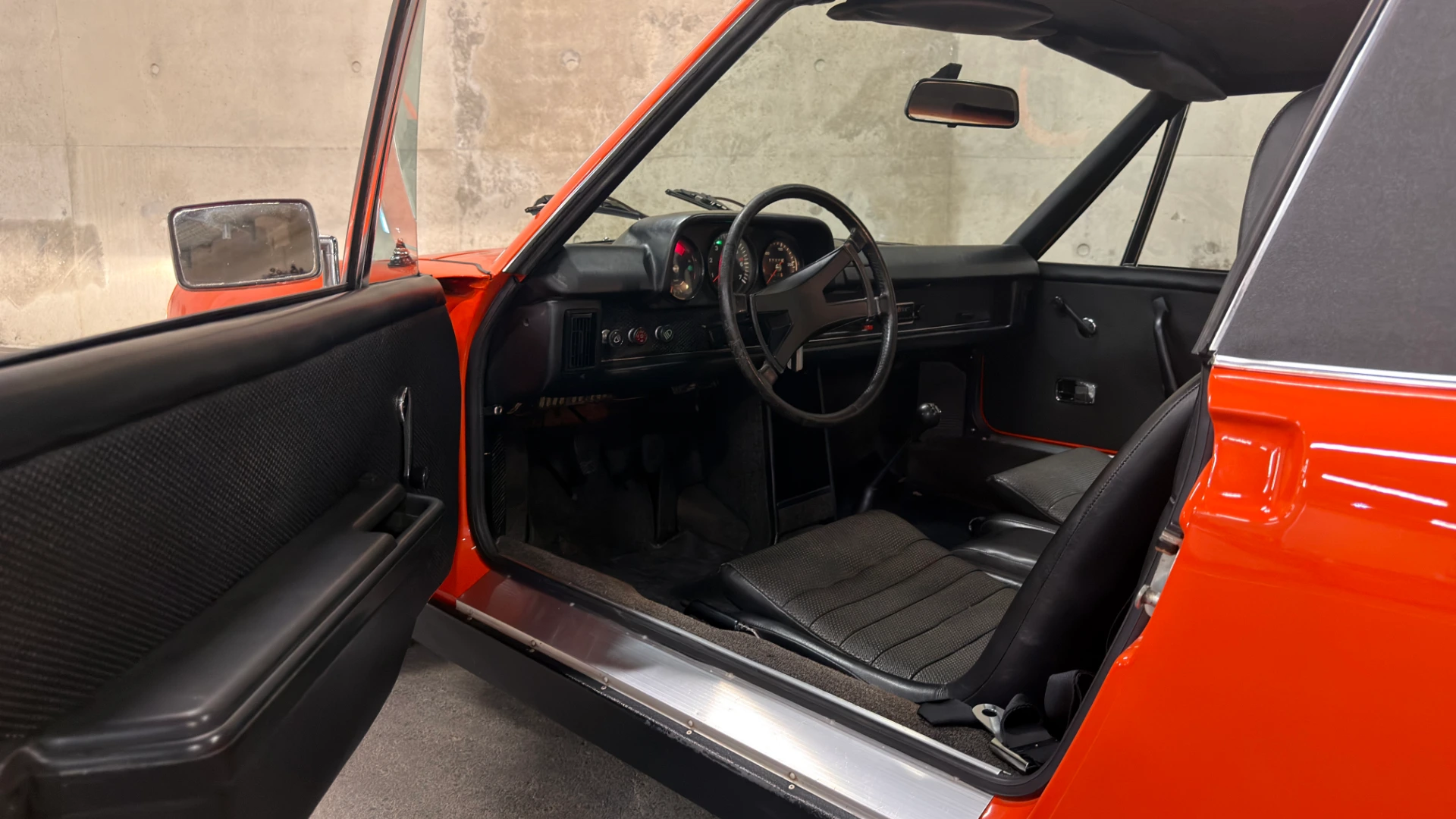
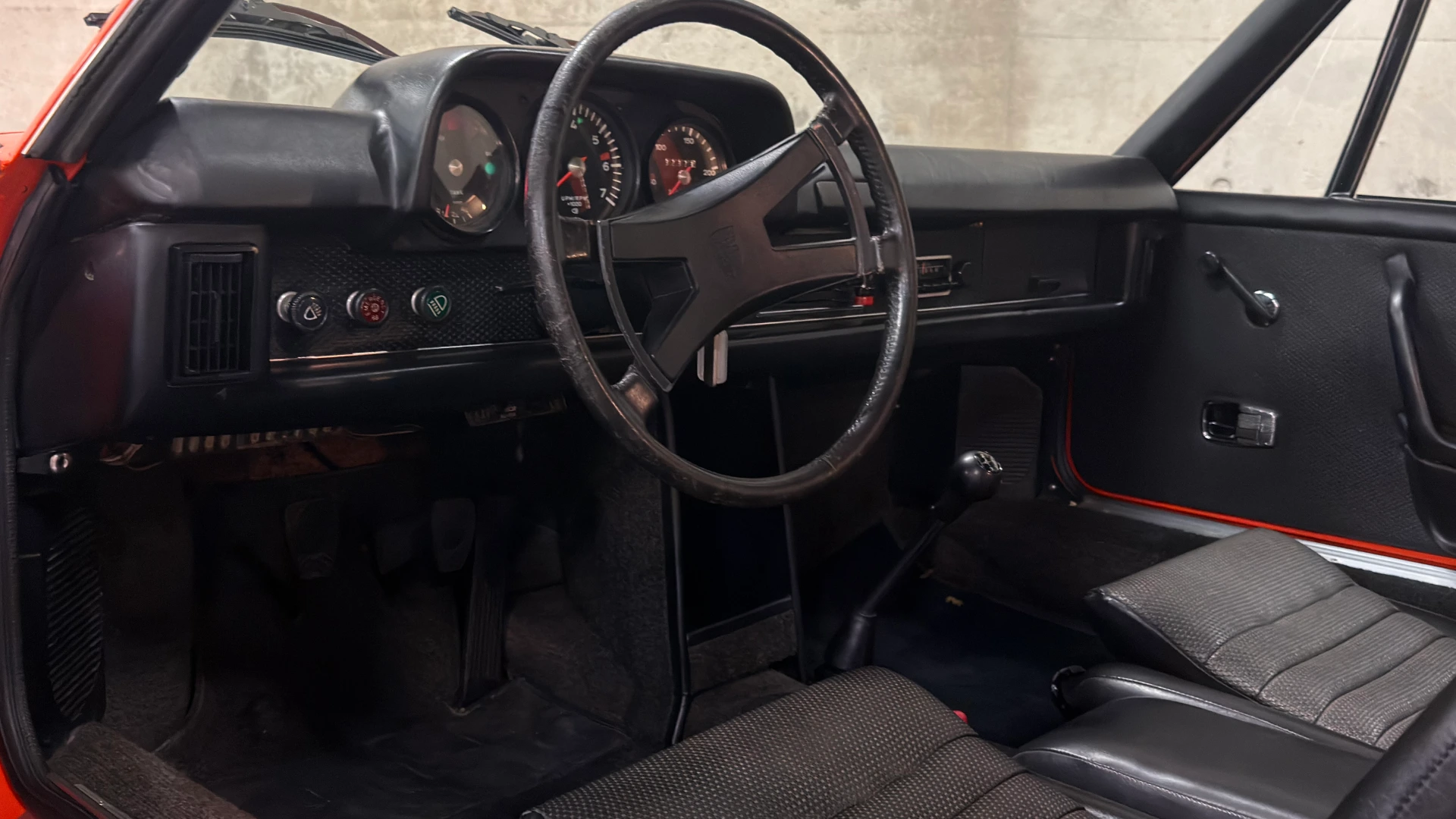
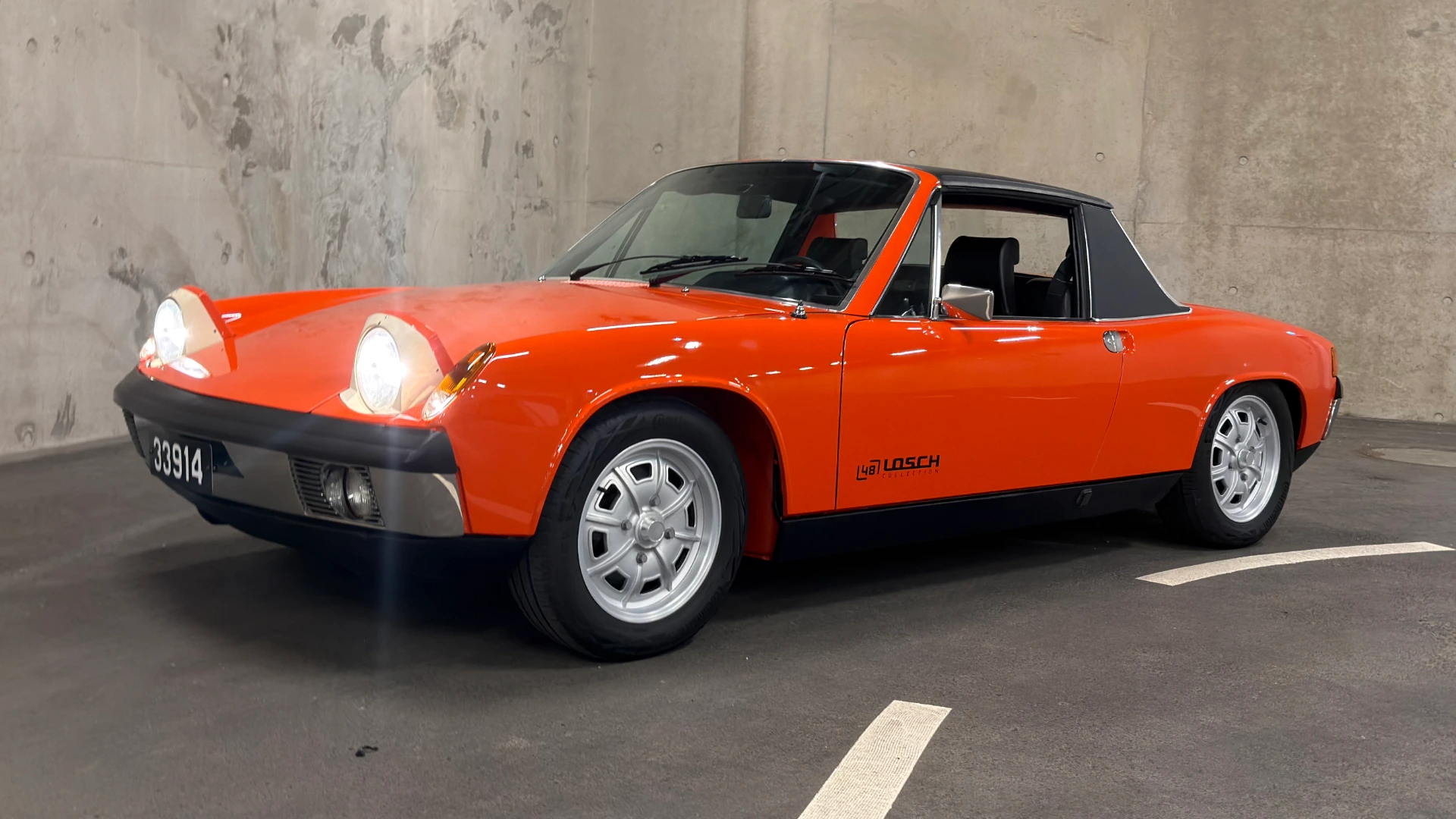
The genesis of the 914 – A joint project between two manufacturers
Initial situation at the end of the 1960s
• Volkswagen was looking for a new sports model to succeed the aging Karmann Ghia.
• Porsche needed a more affordable model under the 911, since the 912 was discontinued. As the two companies were pursuing similar goals, the idea of a joint car became apparent – technically ambitious, financially accessible and aimed at a new customer base. 2.2 Concept and development
• Design and technical development: Porsche
• Production: Karmann in Osnabrück
• Innovative mid-motor concept for optimal balance
• Modern sports coupe with removable Targa roof This mid-engine architecture, rare in this price category, became one of the major technical strengths of the 914. 2.3 Dual Business Strategy
• In Europe: "VWPorsche 914"
• In the United States: "Porsche 914" The reason: the Porsche image was significantly stronger in North America, and a VW designation would have reduced the premium aspect. This strategy led to a remarkable phenomenon: sometimes underestimated in Europe, the 914 became a real bestseller on the American market.
Technique and variants for the year 1972
-
Porsche 914 variants
VWPorsche 914/4 – Four-cylinder engine, affordable and reliable
• 3.2 VWPorsche 914/6 – Six-cylinder version, dynamic but expensive
-
Production timeline
The 914/4 was produced until the end of 1972
• The 914/6 production stopped at the beginning of 1972 due to its high price gap and close resemblance to the 911
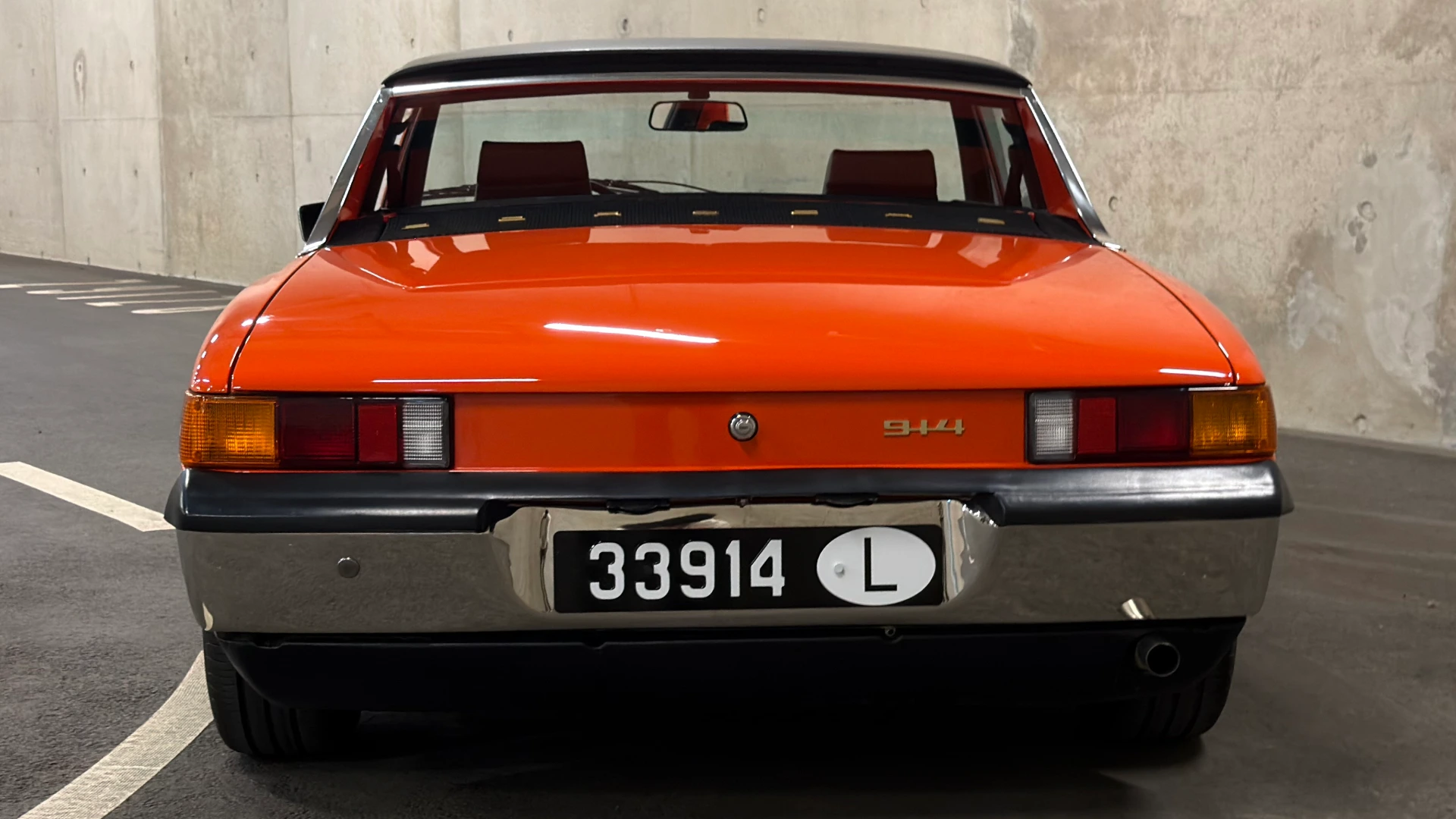
Bodywork & design – Functional, futuristic, unique
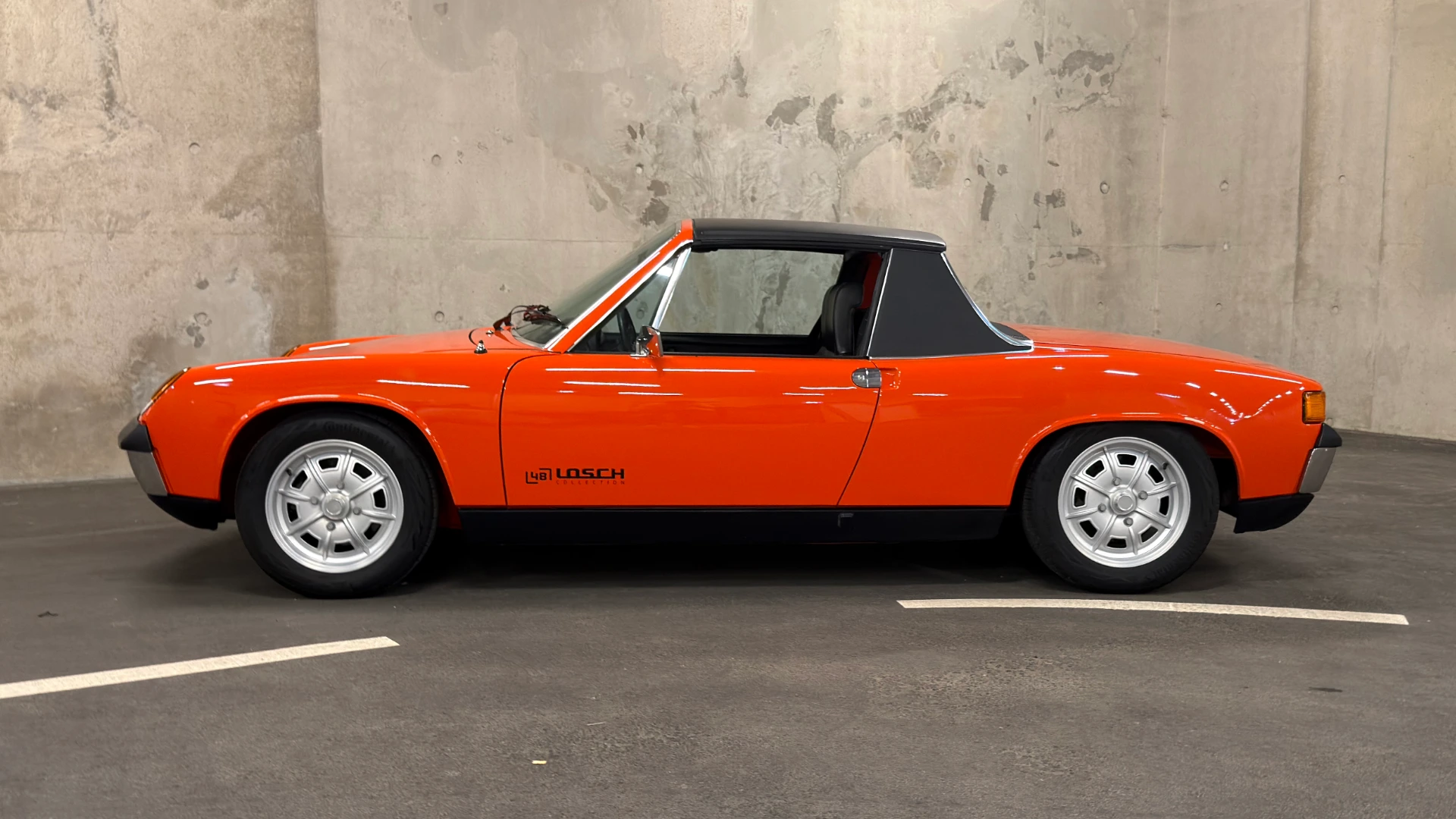
The Targa concept
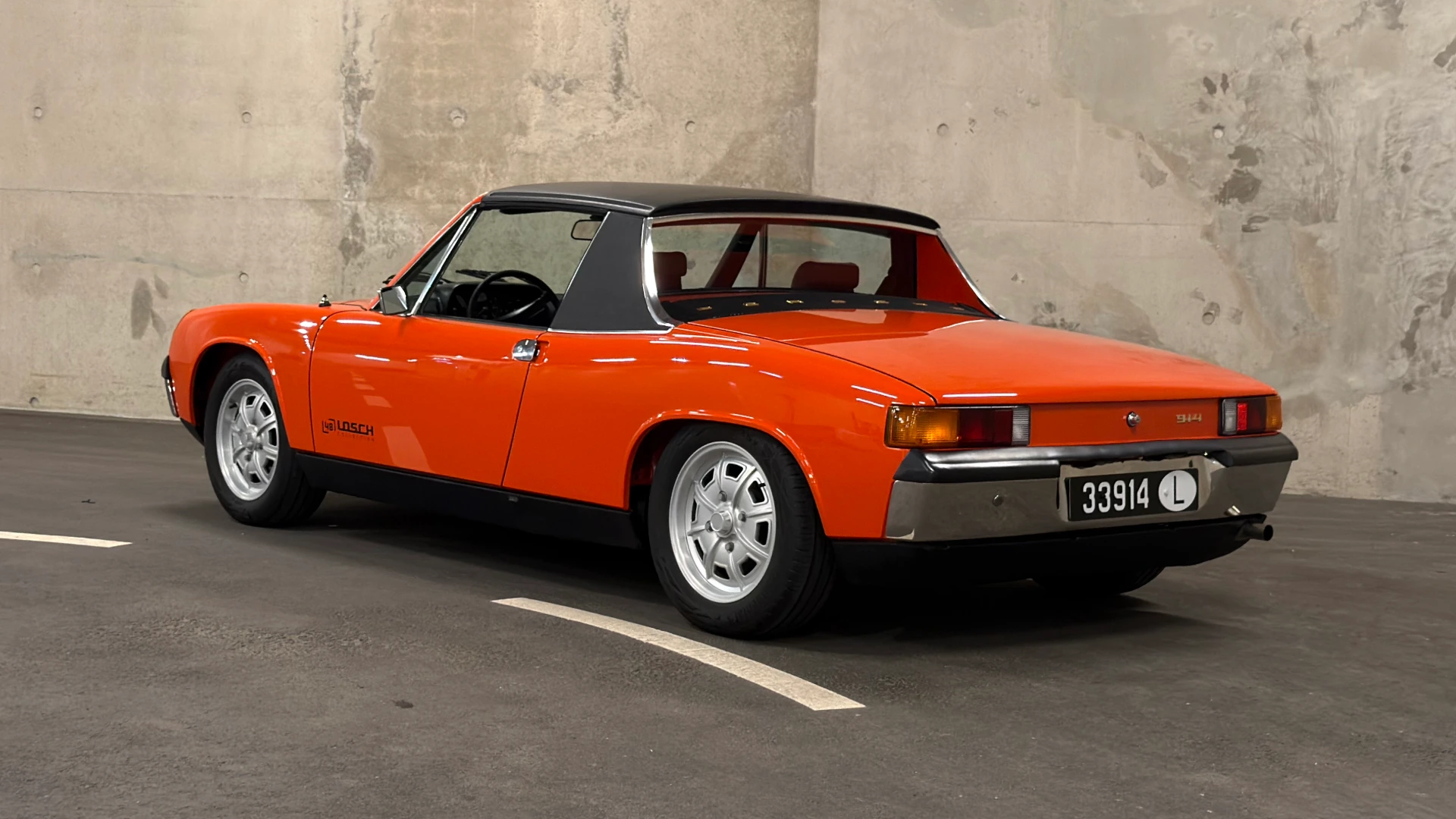
• Removable center roof
• Feeling of security of a coupé
• Roof storage in the rear trunk 4.2 The stylistic traits of a new generation of sports cars
• Low, clean lines
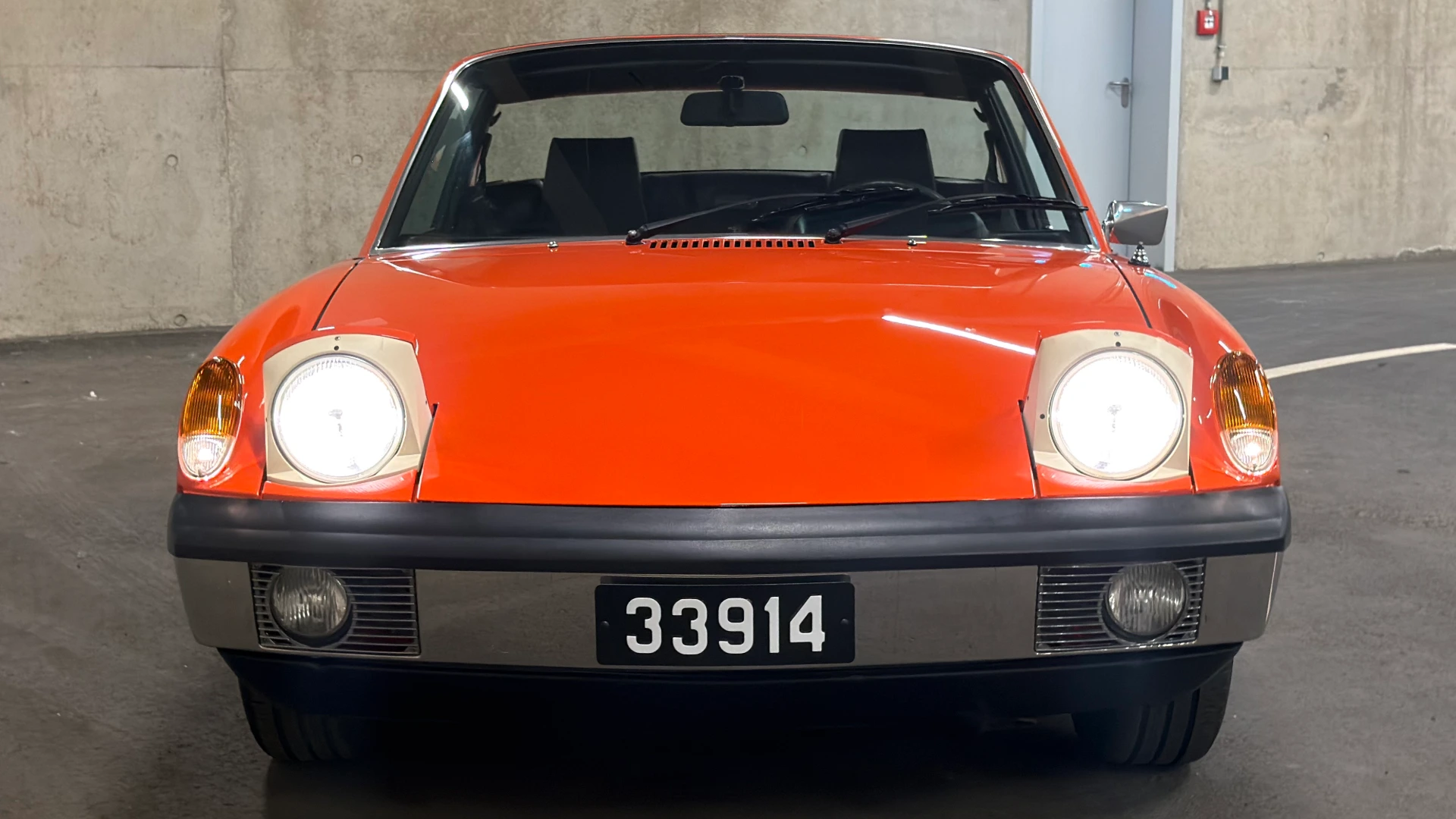
• Signature pop-up headlights
• Wide track and compact proportions
• Ideal weight distribution thanks to the mid-engine 4.3 Practical Benefits
• Two spacious trunks
• Very neutral behavior
• Usable in everyday use despite its sporty concept
The 1972 Model Year – A Decisive Year
End of production of the 914/6 Production of the 914/6 stopped at the beginning of 1972: high price, low demand and proximity to the 911 left it no chance. The range then focused exclusively on the 1.7-litre four-cylinder engine. 5.2 Modifications and Improvements
• Improved equipment
• Slight technical optimizations
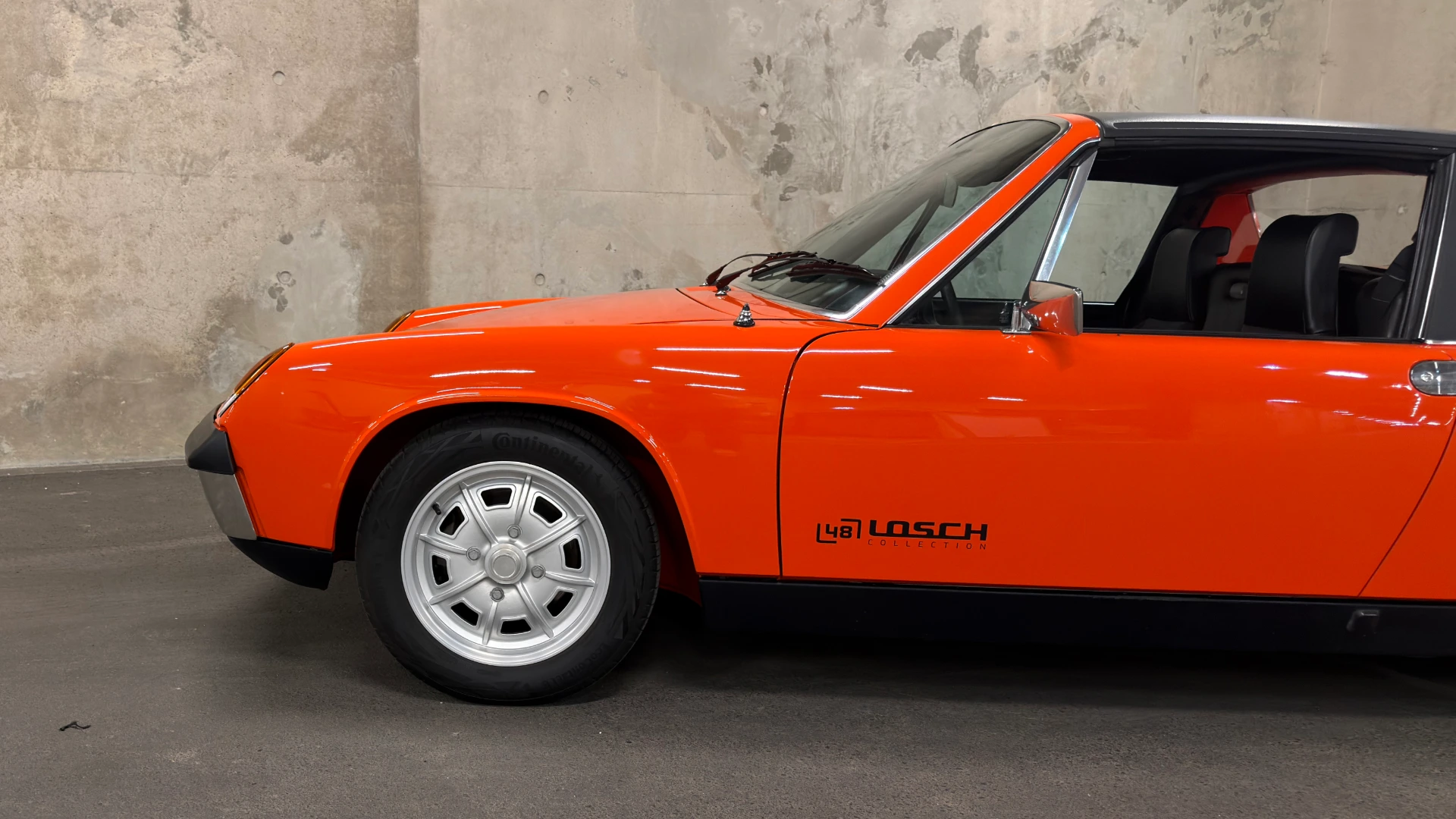
• New colours and wheel designs These developments modernise the 914/4 without changing its original philosophy. 5.3 Engine Strategy
• In 1972: only the 1.7-litre four-cylinder
• More powerful versions (1.8 l / 2.0 l) only from 1973–1974
Positioning of the VWPorsche 914 in 1972
Europe – Sporty but held back by its image
• Positioned under the Porsche 911
• The name "VWPorsche" reduced its exclusivity
• Despite this, popular with sporty drivers who are sensitive to technique and road handling 6.2 United States – The Porsche best-selling 914
• Marketed exclusively under the Porsche name
• Big commercial success
• Very popular with young buyers The American market became the main sales area for the entire 914 series.
Importance and legacy of the 914
Production figures
• Approximately 118,000 copies in total
• Of which only 3,300 were 914/6 – highly sought after today 7.2 Importance to VW and Porsche
• Best-selling Porsche model of the 1970s
• Major economic success for both brands
• Technical basis for future mid-engine models 7.3 Classic Status The 914 enjoys cult status today thanks to:
• Its unique road handling
• its perfect balance
• its typical 1970s design The original 1.7-litre models and especially the 914/6 are highly sought after and retain a high value.
Conclusion – The 1972 VWPorsche 914: a turning point
The 1972 model year profoundly transformed the range: The 914/6 disappeared, the 914/4 became the main model and shaped the final image of the 914 – a mid-engined coupé that was compact, accessible and dynamically dynamic. Today, the 914 is considered one of the most interesting and original sports cars of the 1970s – a car born from two manufacturers but with a completely unique identity.