
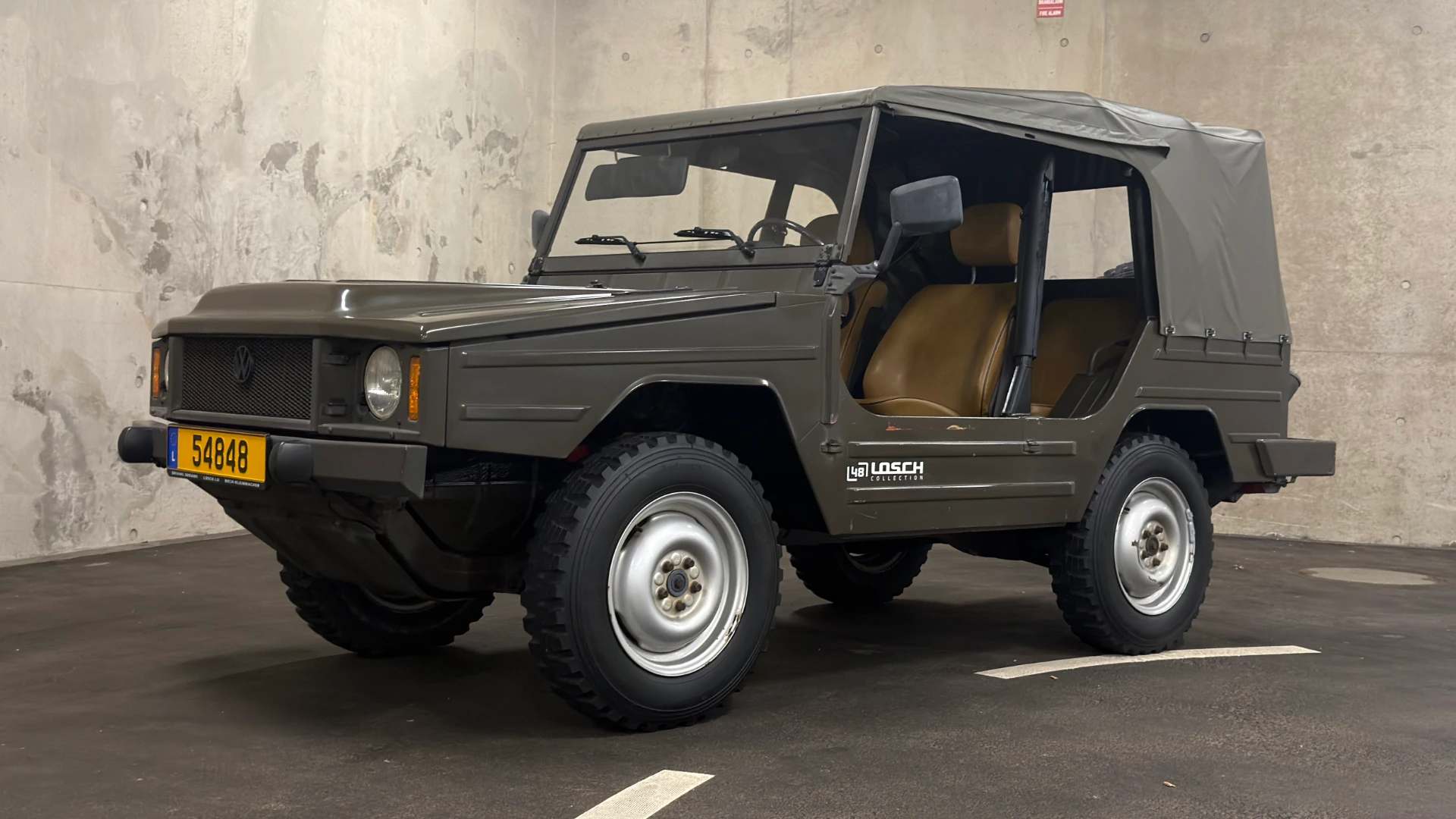
VW Iltis
Introduction
The VW Iltis is a lightweight and versatile off-road vehicle, initially designed for military use. Thanks to its robust construction, permanent all-wheel drive and excellent off-road capabilities, it is considered a landmark model in the history of Volkswagen and Audi. In extreme situations, Iltis has demonstrated how reliable simple but well-thought-out technology can be.
Background and context
The need for a successor
In the early 1970s, the German Bundeswehr was to replace the aging DKW Munga. The new vehicle had to be:
• more reliable,
• more efficient,
• and more modern,
without losing the off-road capabilities of the Munga.
Development at Audi
The project was entrusted to Audi in 1976, as the manufacturer already had solid experience in the field of off-road vehicles. Audi completely redesigned the Munga concept: new chassis, improved all-wheel drive system and use of standard components to simplify future production.
Presentation
In 1978, the VW Iltis was presented to the public for the first time: a functional but technically convincing vehicle that quickly found its way into the armed forces.
Technical data
-
Engine
1.7-liter in-line 4-cylinder engine (Audi 80), 75 hp (55 kW), 130 Nm of torque
-
Transmission & Gearbox
Permanent all-wheel drive, Front axle disconnectable if necessary, 4-speed gearbox + off-road gearbox, Top speed: approx. 130 km/h
-
Chassis & Structure
Independent front suspension, Rigid leaf axle at the rear, Curb weight approx. 1,200 kg, Ground clearance: approx. 25 cm, Extremely robust body with minimally reduced electronics to limit breakdowns
-
Off-Road Capabilities
Crossing capacity: up to 60%, Wading: up to 50 cm, Excellent behavior on mud, snow, rocks and sand, High manoeuvrability thanks to narrow size
Use and production
Military Use
The VW Iltis was used not only by the German Bundeswehr, but also by other armies, including Belgium and Canada. Its missions included:
• troop transport
• Radio and communication vehicle
• medical or support vehicle
• Use when manoeuvring in extreme conditions
Civilian Version
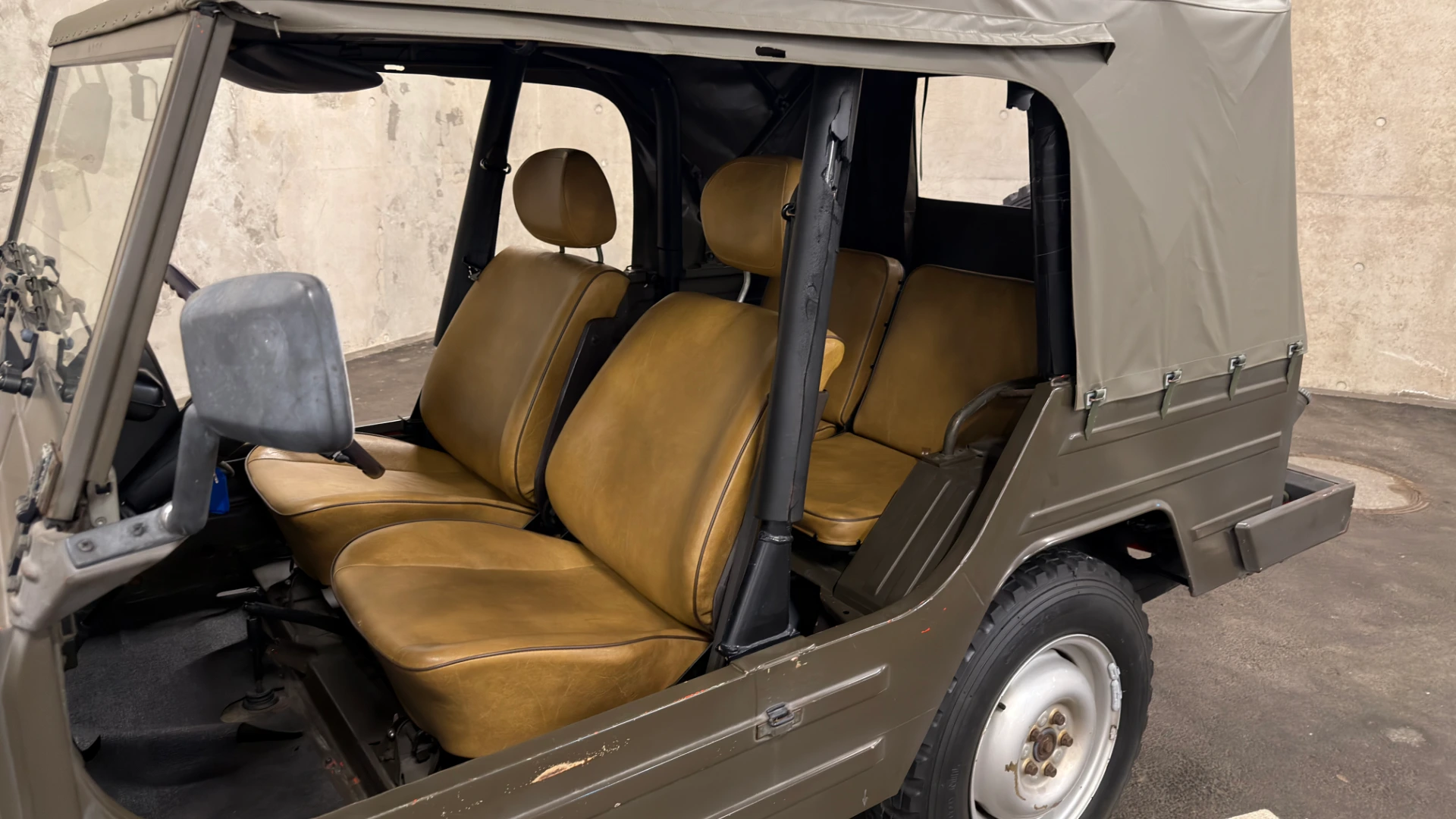
Volkswagen also offered a civilian version — rare, but highly prized by off-road enthusiasts. Often technically identical, these versions offered minimal comfort, making them ideal for expeditions.
Production period
• Production: from 1978 to 1988
• Total quantity: approx. 9,000 copies
Today, the Iltis is a relatively rare model, especially when kept in good original condition.
Motorsport success
1980 Paris–Dakar Rally
The Iltis won the first edition of the ParisDakar Rally — one of the toughest cross-country rallies in the world. Its strengths:
• Simple technology
• High reliability
• Exceptional off-road capabilities
This victory brilliantly demonstrated the superiority of a robust construction.
Technical basis of the Audi quattro
Audi used the Iltis as a test vehicle for a new all-wheel drive concept. The result: the Audi quattro, which revolutionized rallying in 1980 and imposed all-wheel drive in the automotive world.
Current importance
• The VW Iltis is now considered a key model in the evolution of all-wheel drive within the Volkswagen Group.
• It has become a sought-after collector's item: rare, technically captivating and historically significant.
• Among off-road enthusiasts, it is known for being virtually indestructible and represents the essence of the "true classic 4x4".
Special features of the vehicle on display
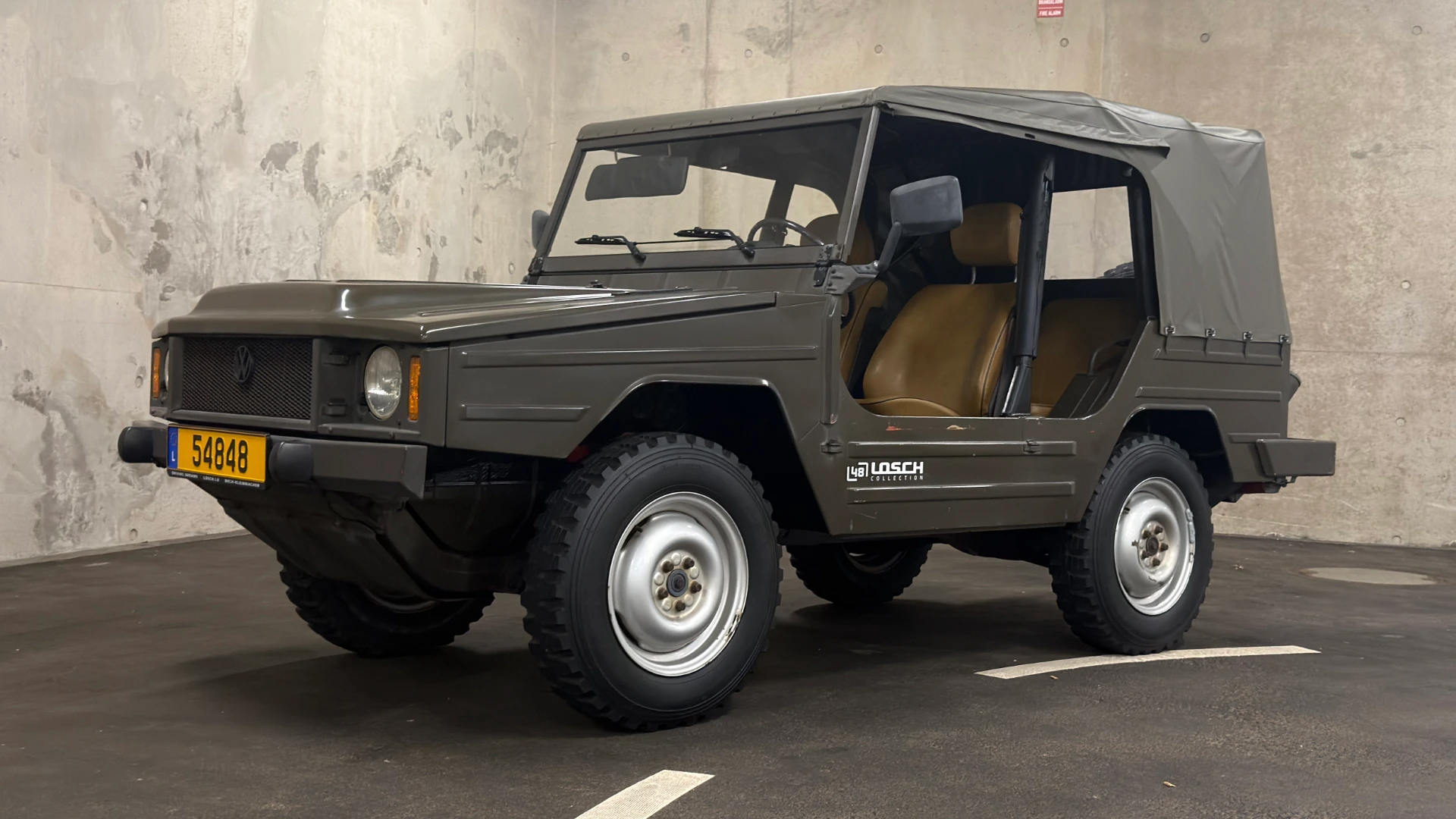
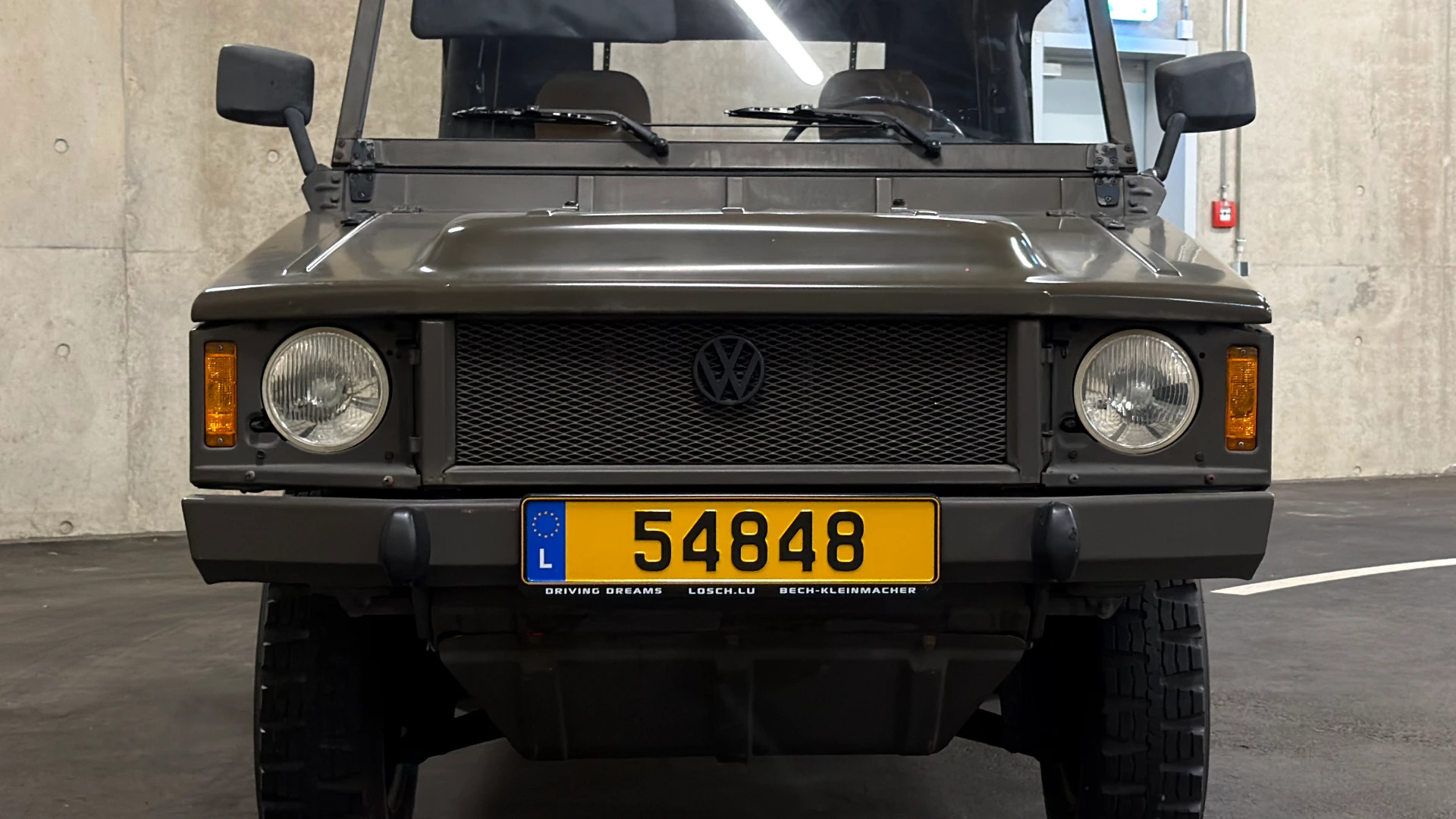
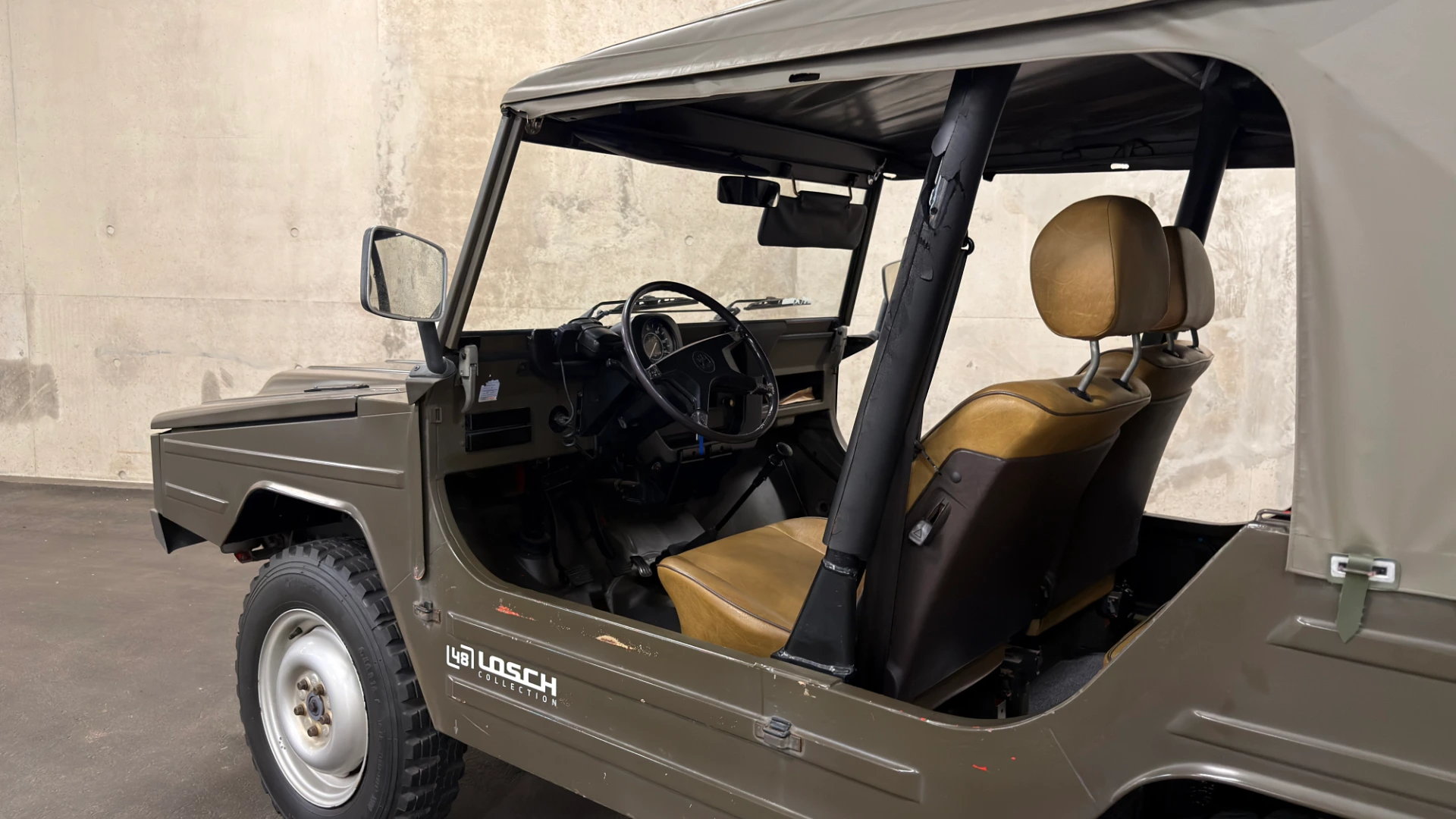
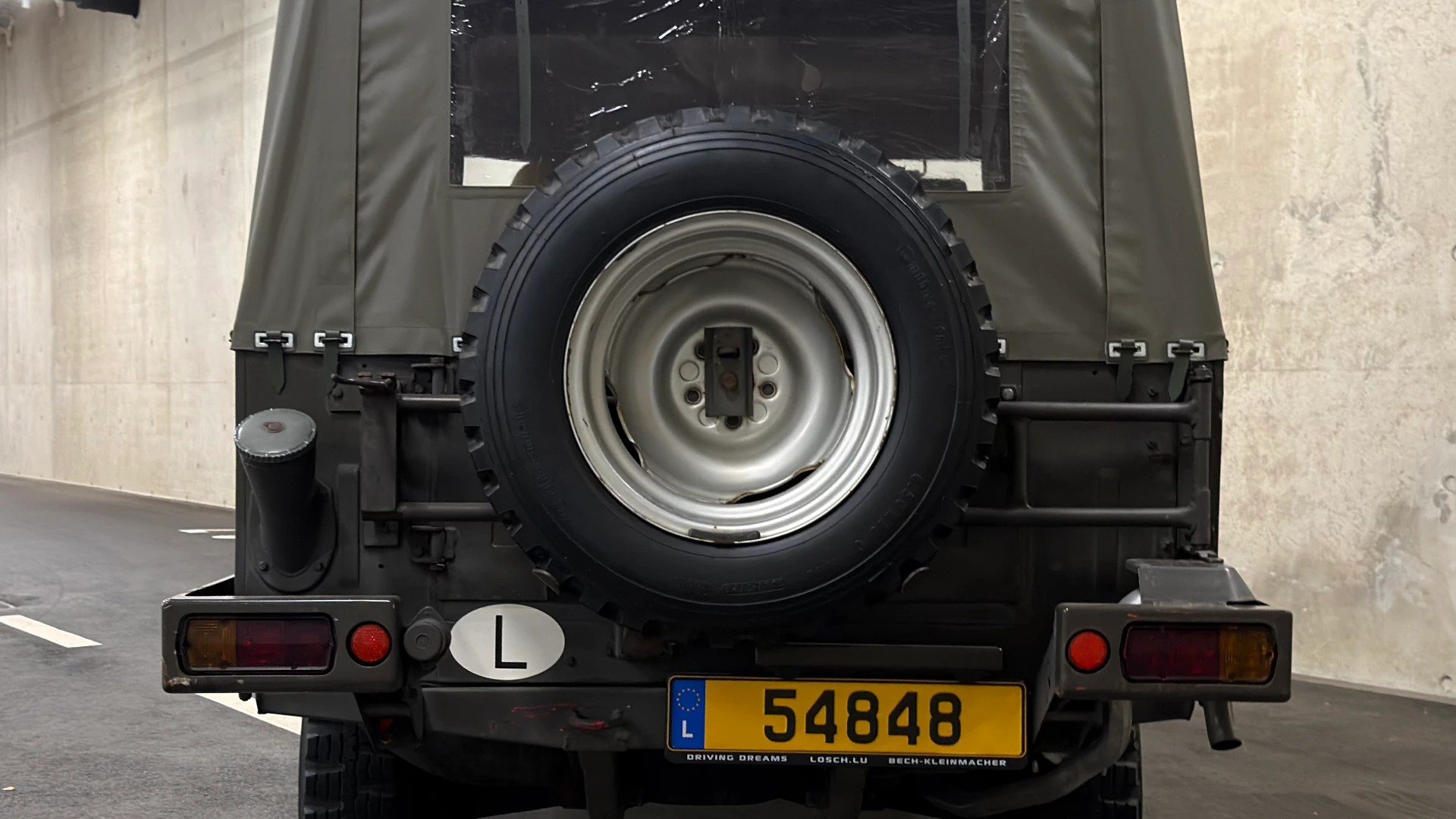
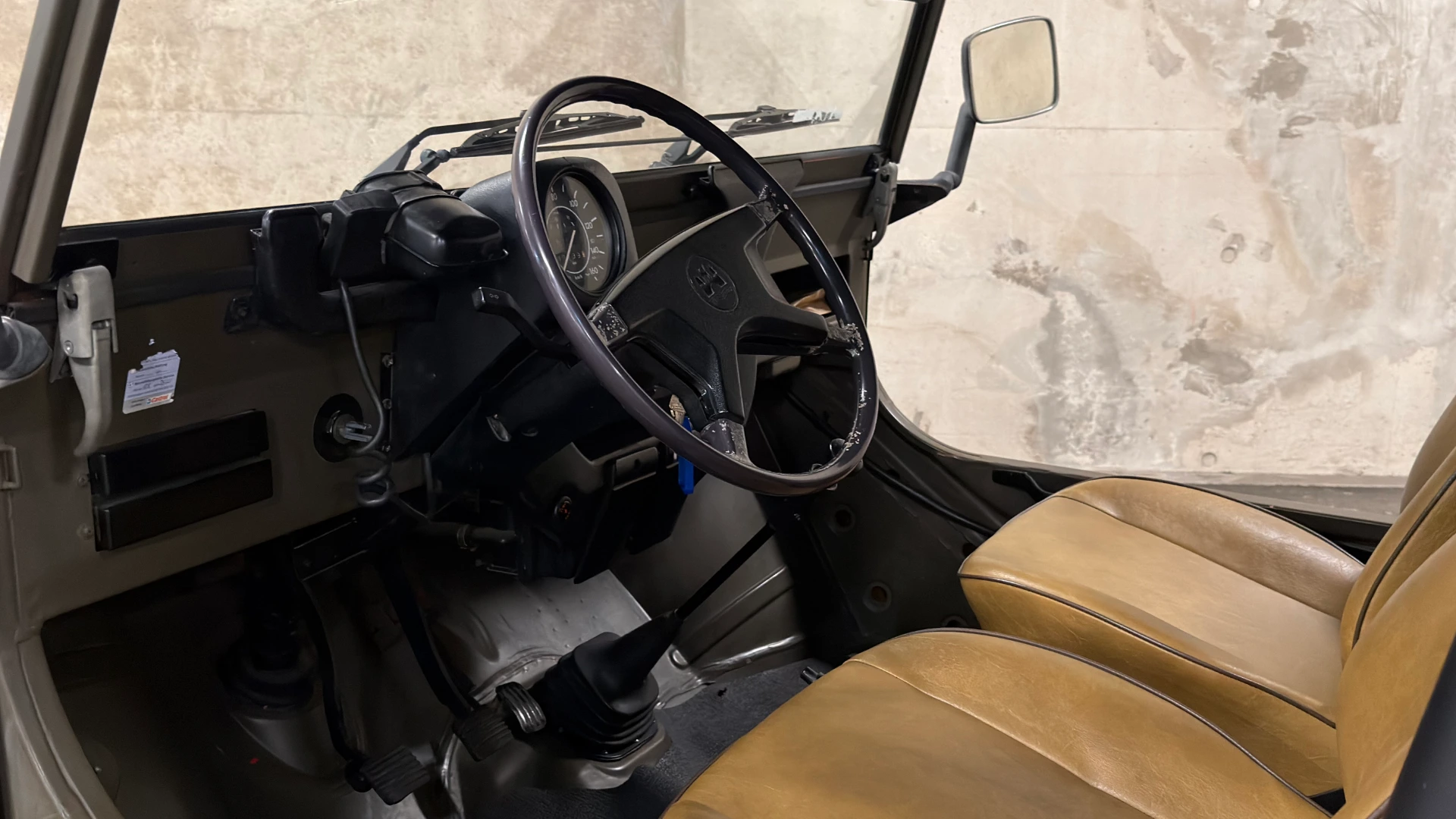
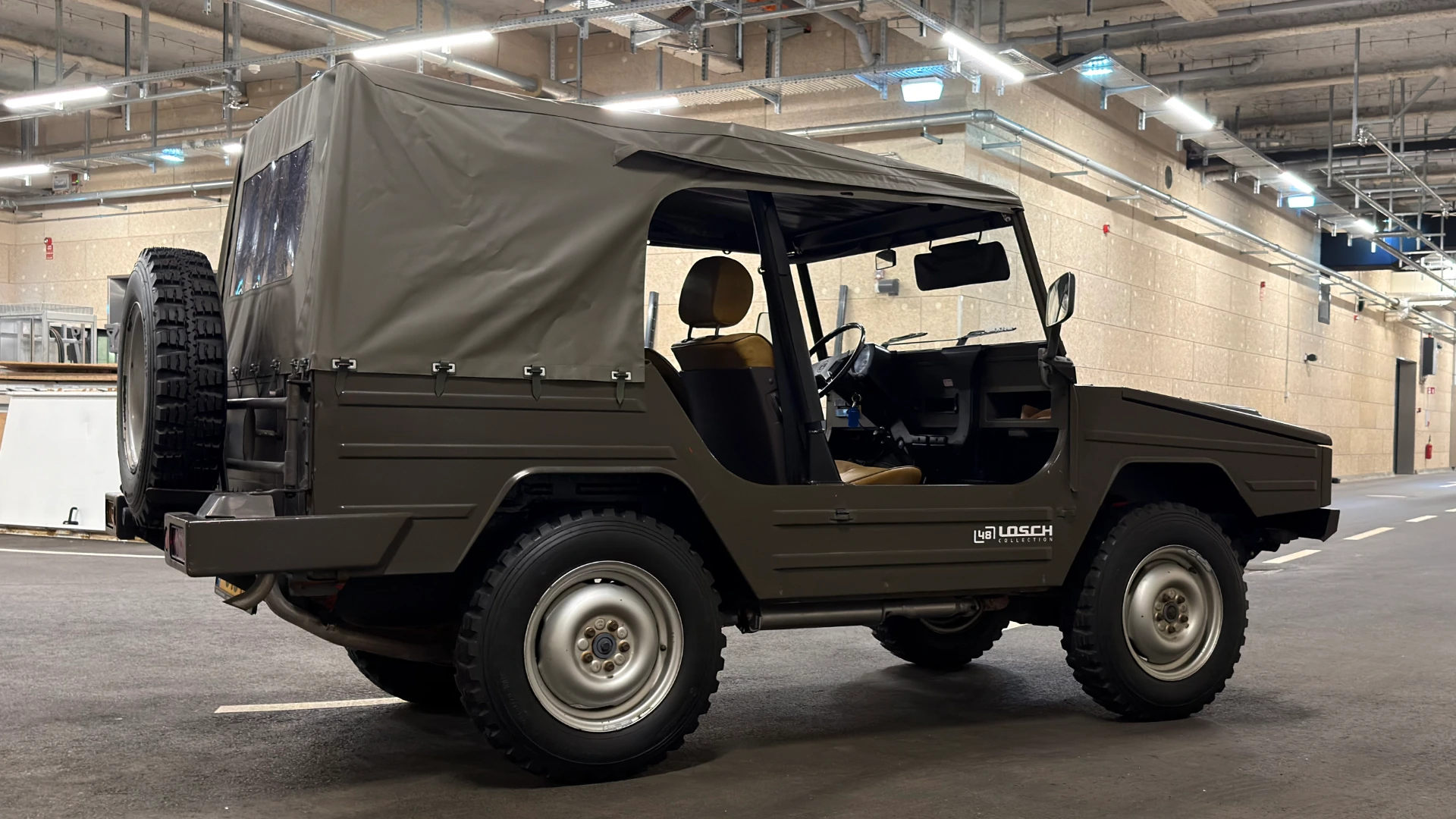
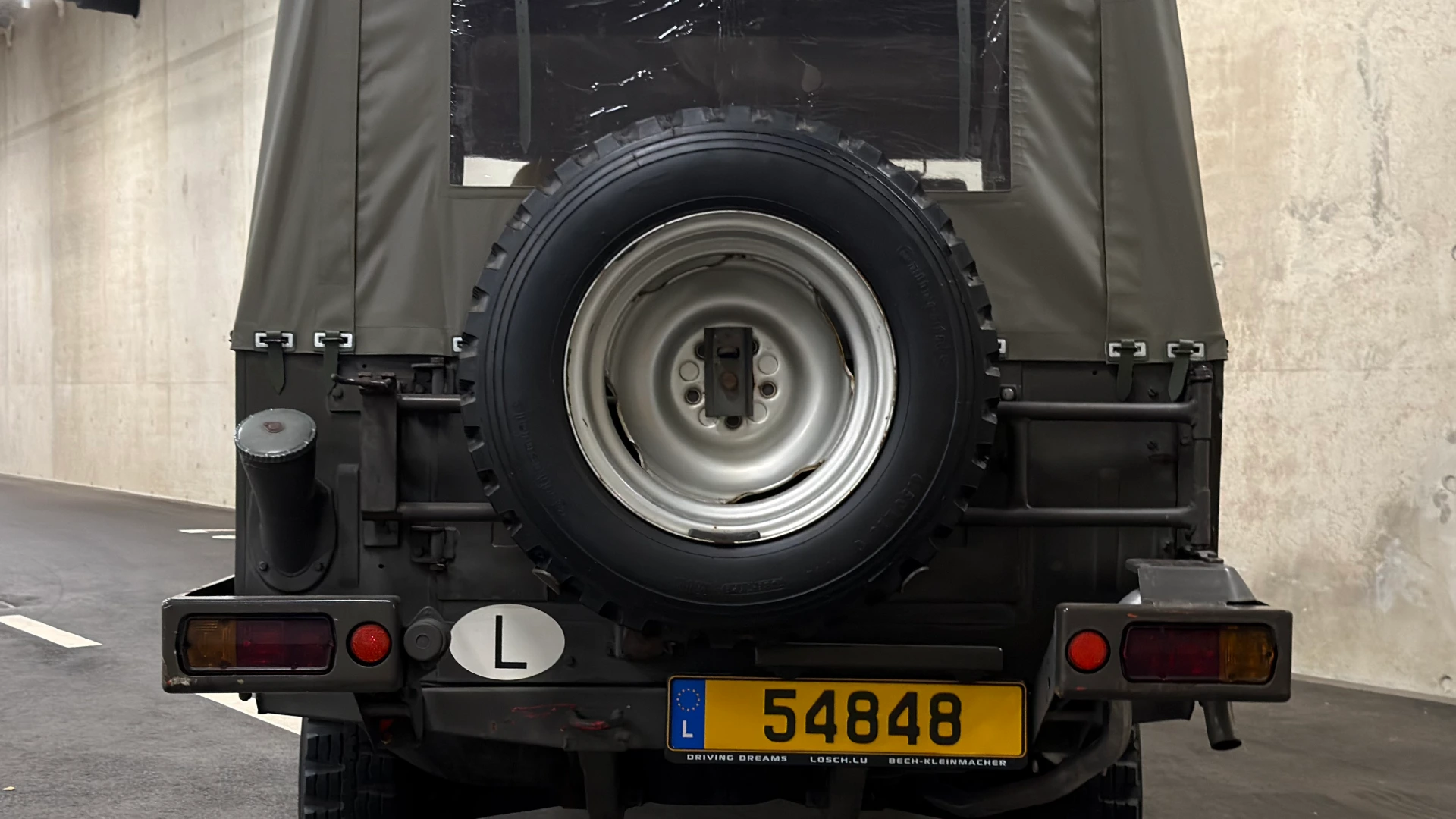
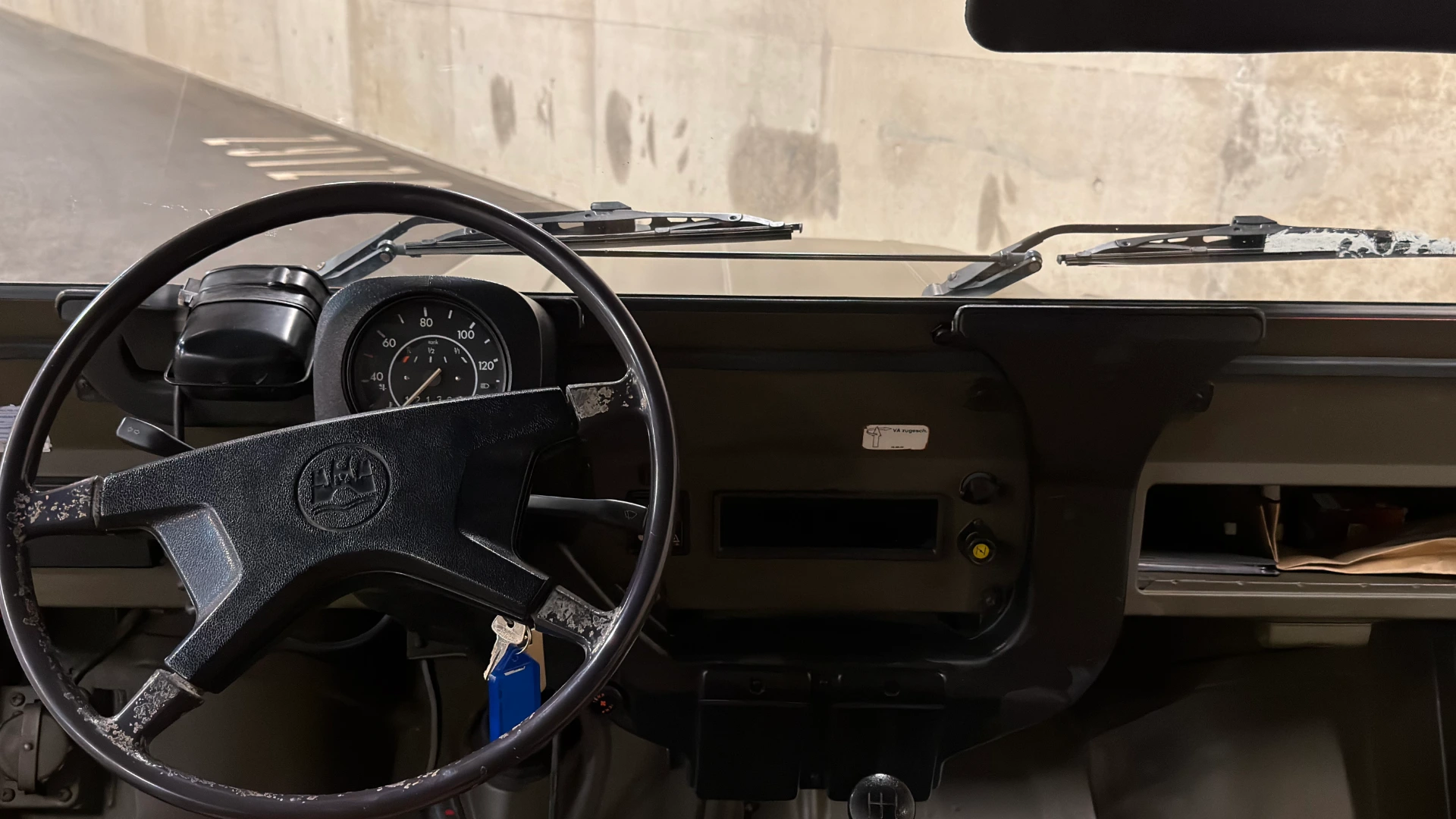
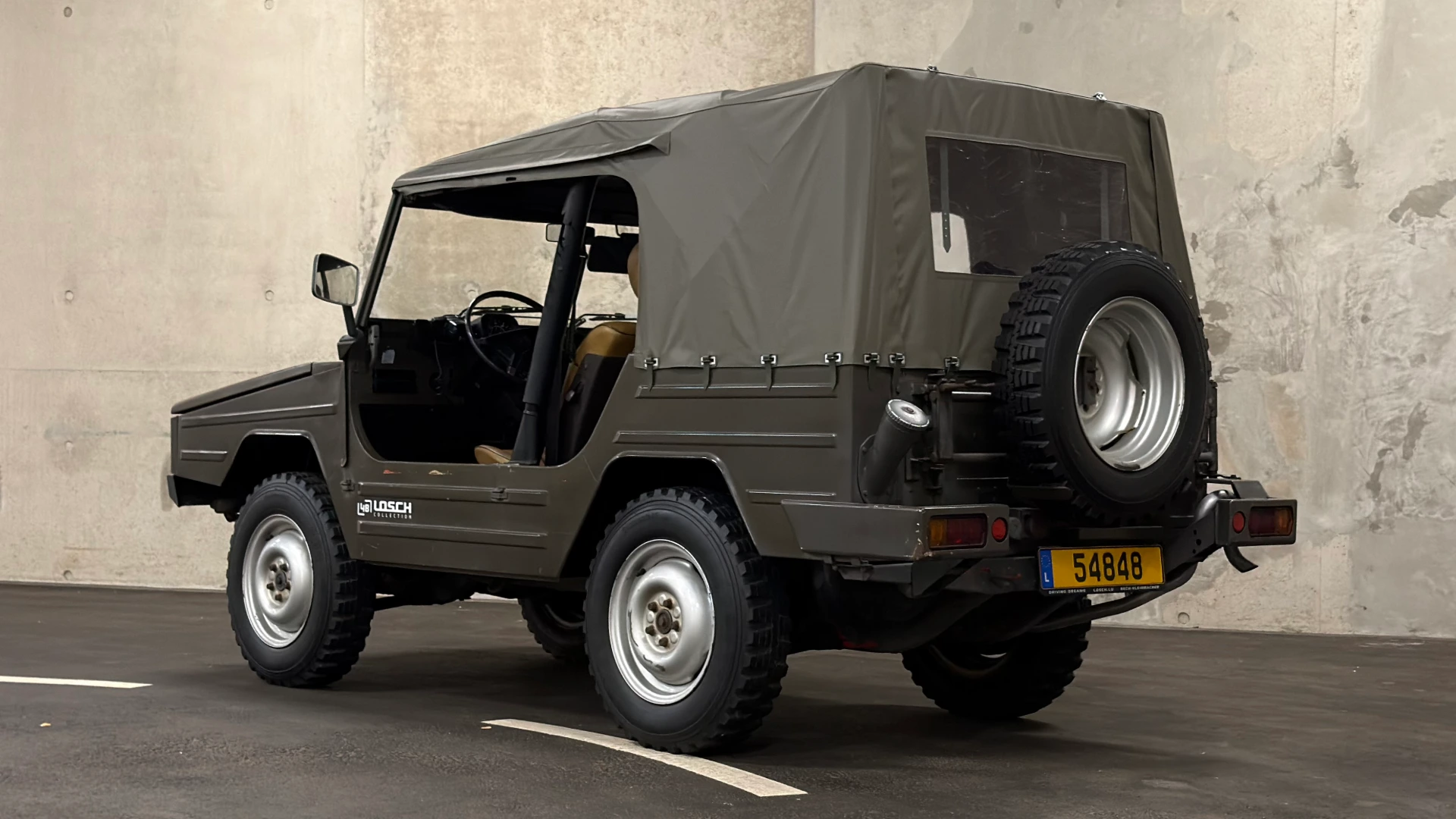
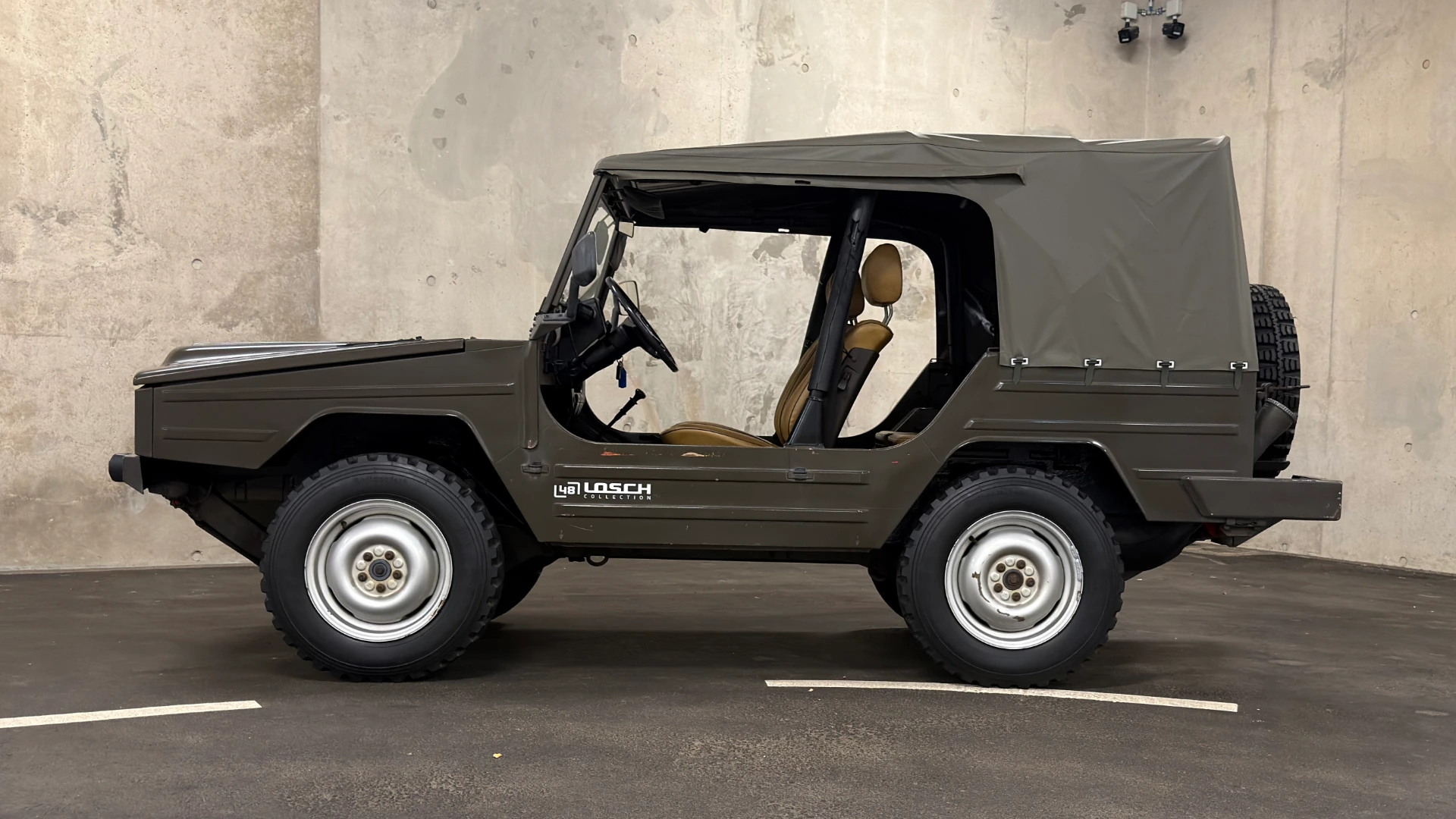
The example presented here was used by the Luxembourg entrepreneur André Losch, especially for his hunting trips — a typical use of the civilian version of the Iltis, where robustness and off-road suitability were essential.