
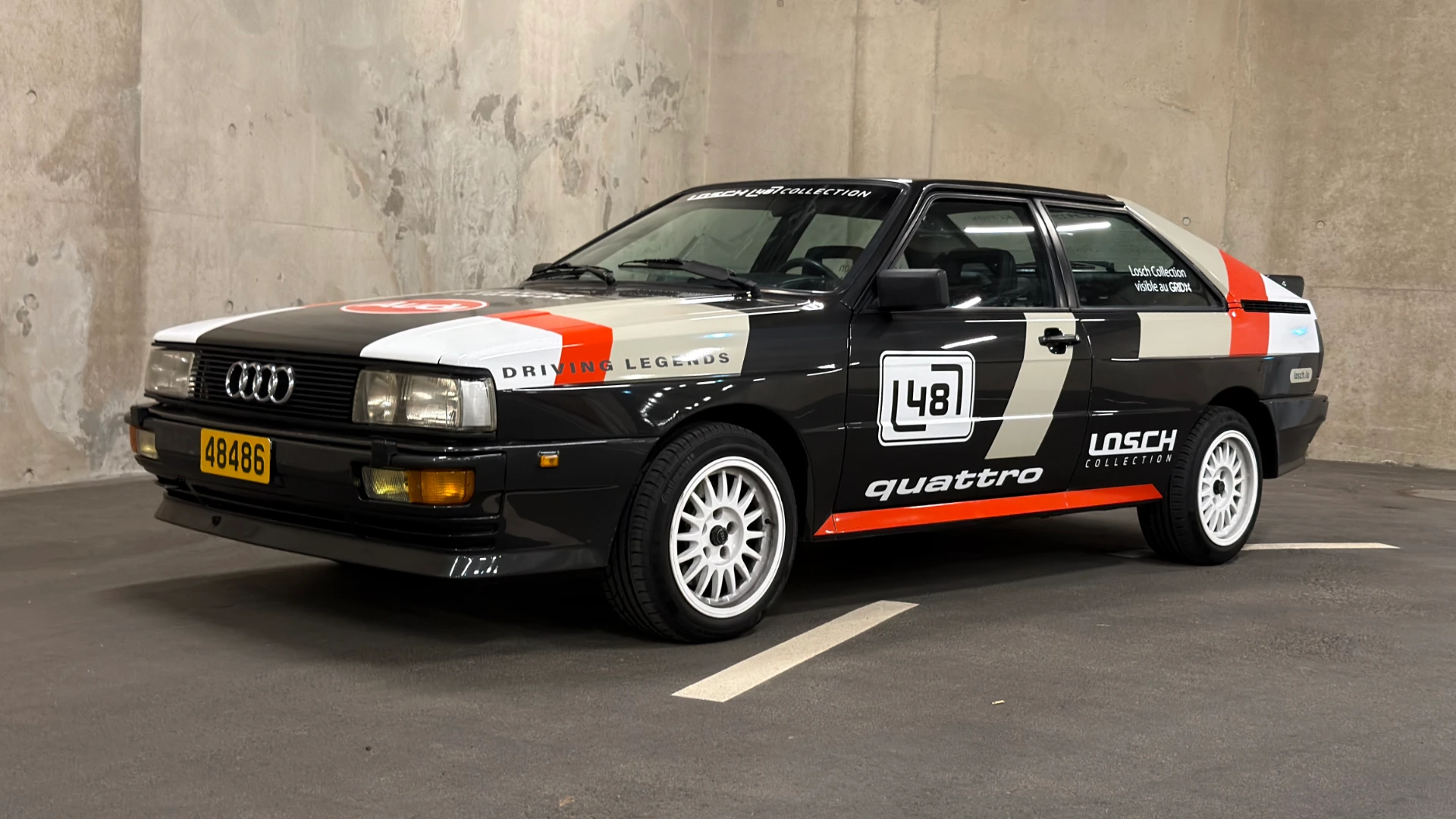
Audi Quattro
Introduction
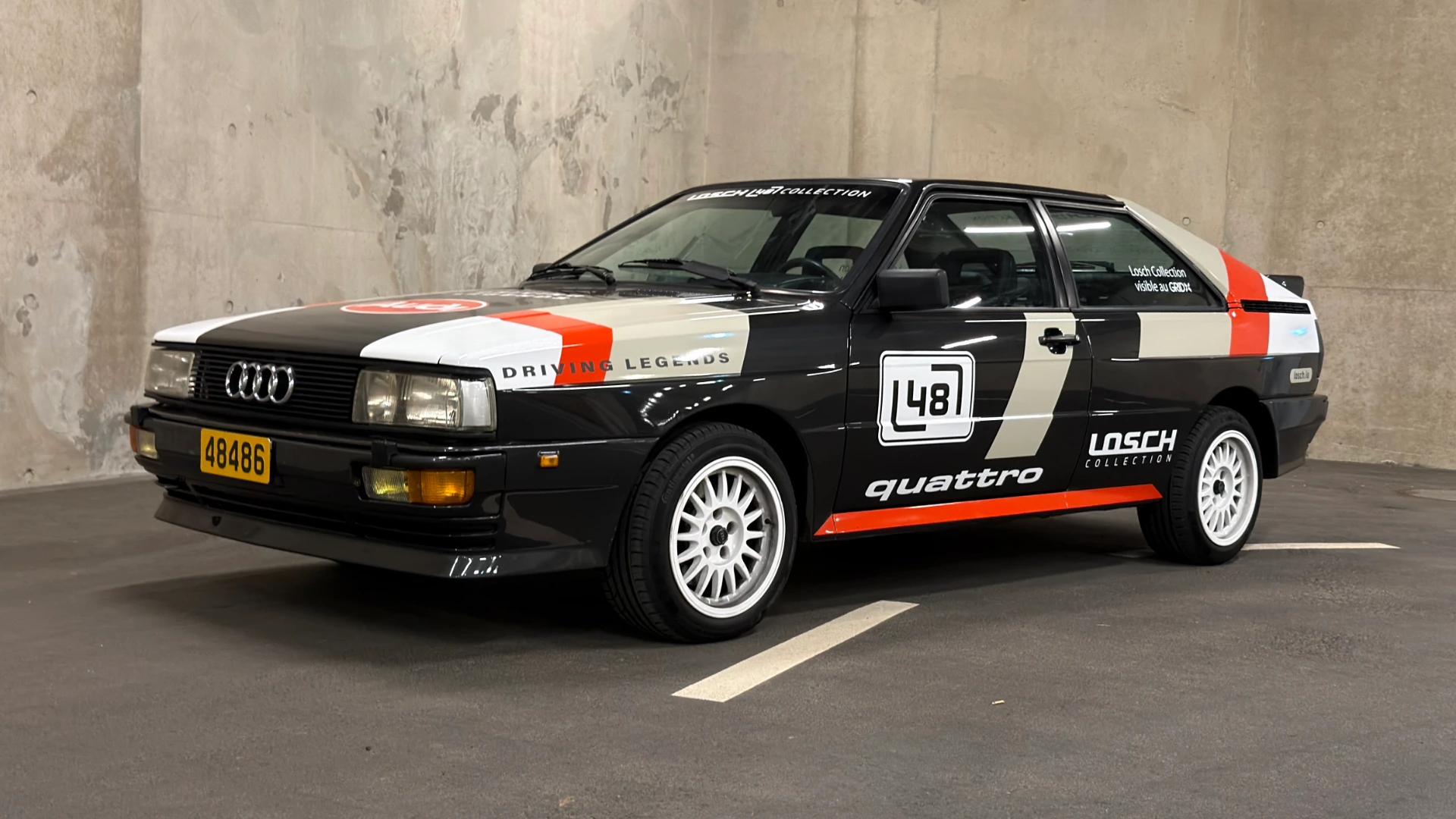
The Audi quattro, often later referred to as the "Urquattro", is considered one of the most influential sporting stunts in automotive history. With its launch in 1980, itrevolutionized the road and rallying thanks to its permanent integral transmission, which until then had been reservedalmost exclusively foroff-road vehicles. Between 1980 and 1991, a total of 11,452 examples were produced.
The 1985 model year was in the middle of the production period and marked a phase in which the quattro was already technically complete, but still before the introduction of the 20V engine (from 1989). At that time, Audi presented the quattro as a highly sophisticated road vehicle that was closely linked to rallying.
Development history up to 1985
-
Development History
The genesis of the Audi quattro can be traced back to the tests in Scandinavia in 1977.
-
First Prototype
In March 1980, the Audi quattro was presented at the Geneva Motor Show and immediately became a sensation. It was the first production car to combine a powerful turbo engine with permanent all-wheel drive.
Evolution of the model and technical basis until 1985
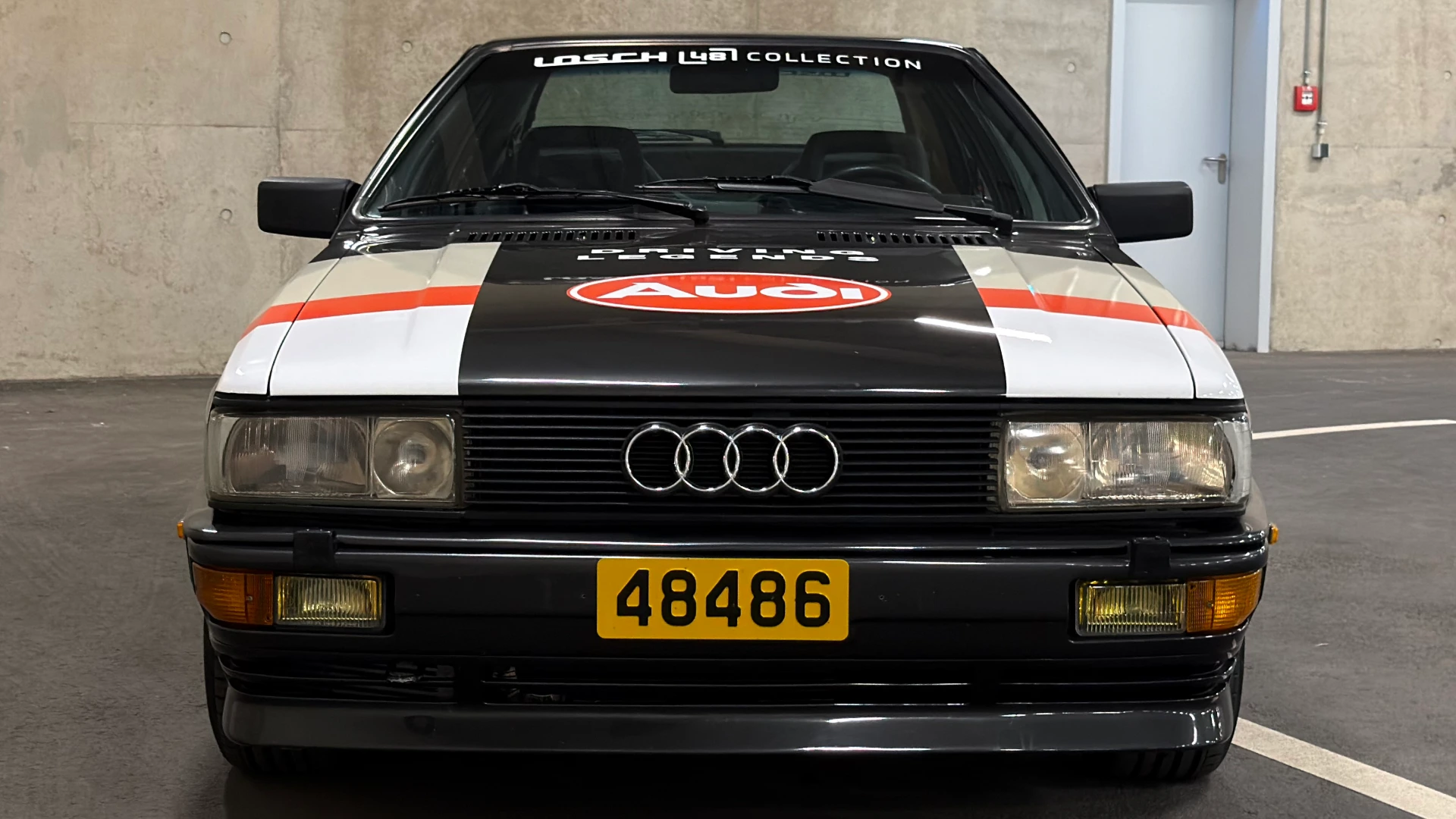
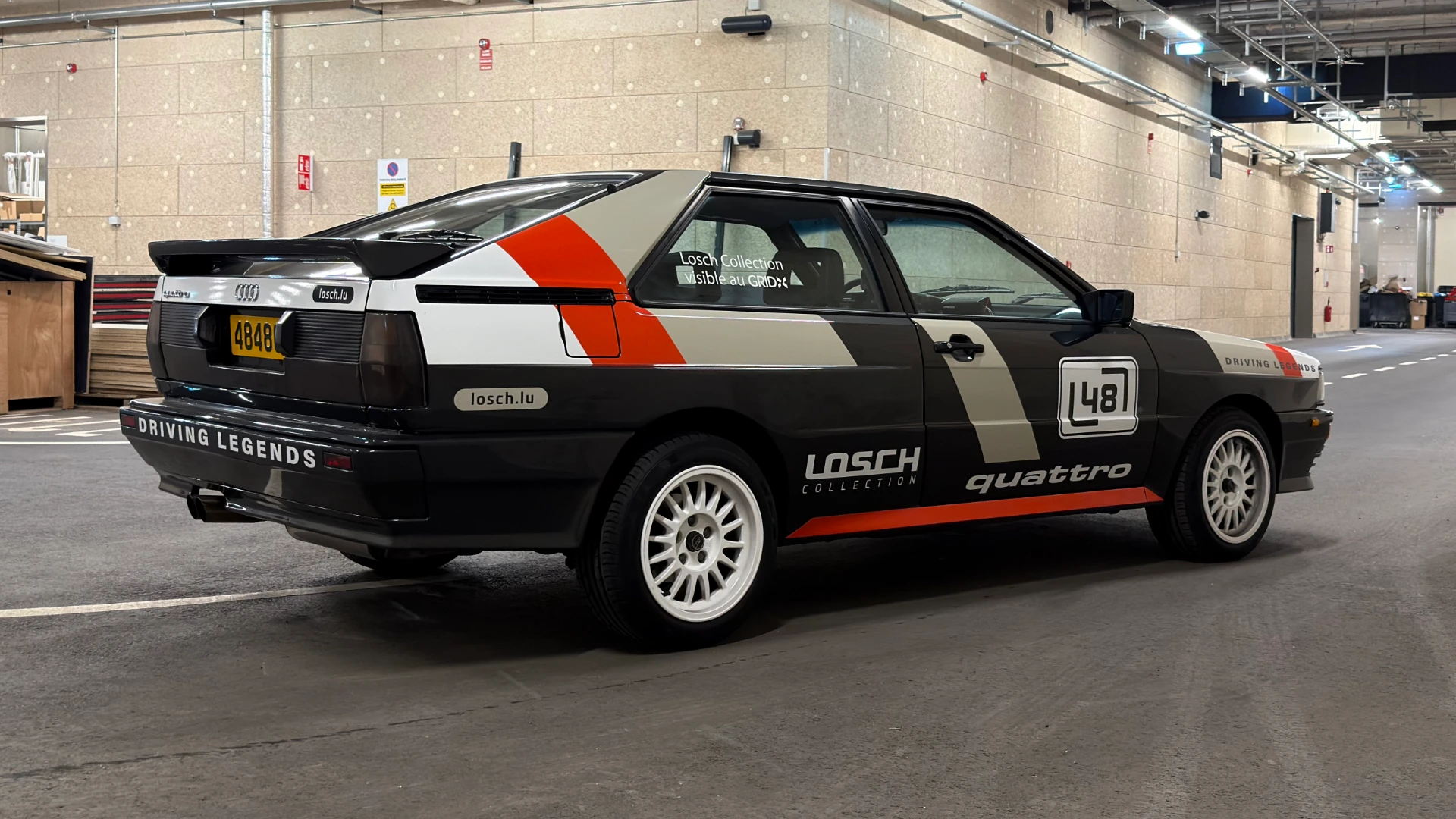
The quattro was produced from 1980 to 1991 with only slight exterior modifications, but many technical improvements. Originally equipped with red taillights, small headlights and purely mechanical differential locks, it received over time equipment such as ABS, pneumatic locks and wider rims.
The 1985 model year represents the classic Urquattro 10V, which already benefited from several improvements, including:
• improved self-locking different
• ABS from the1984 series
• wheels widened to 8J from 1984
• optimization of theGlage of the châSSIS
These developments were a direct result of the experience gained in rallying and the development work of the Audi engineers.
Technical data of the Audi quattro (1985)
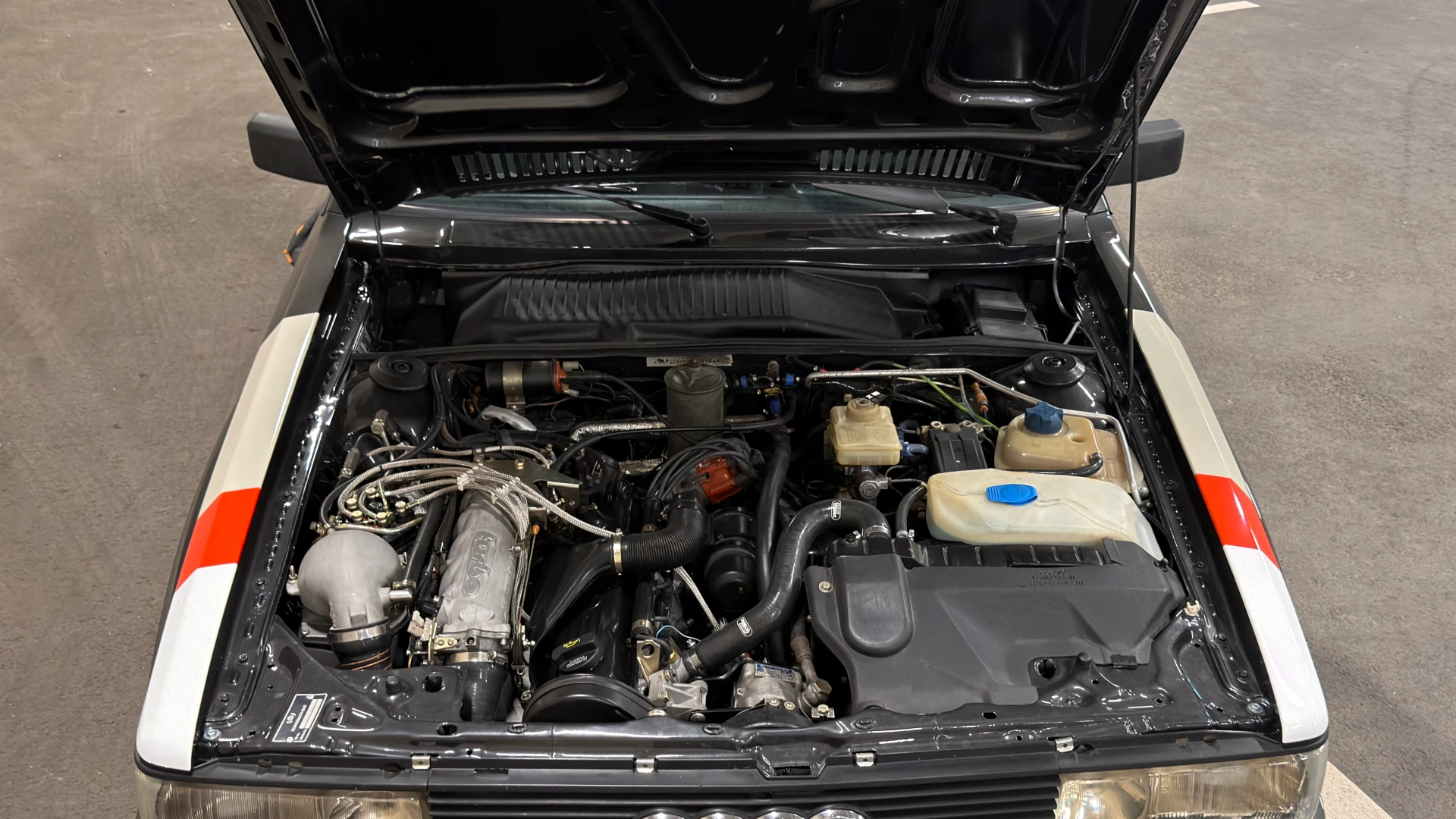
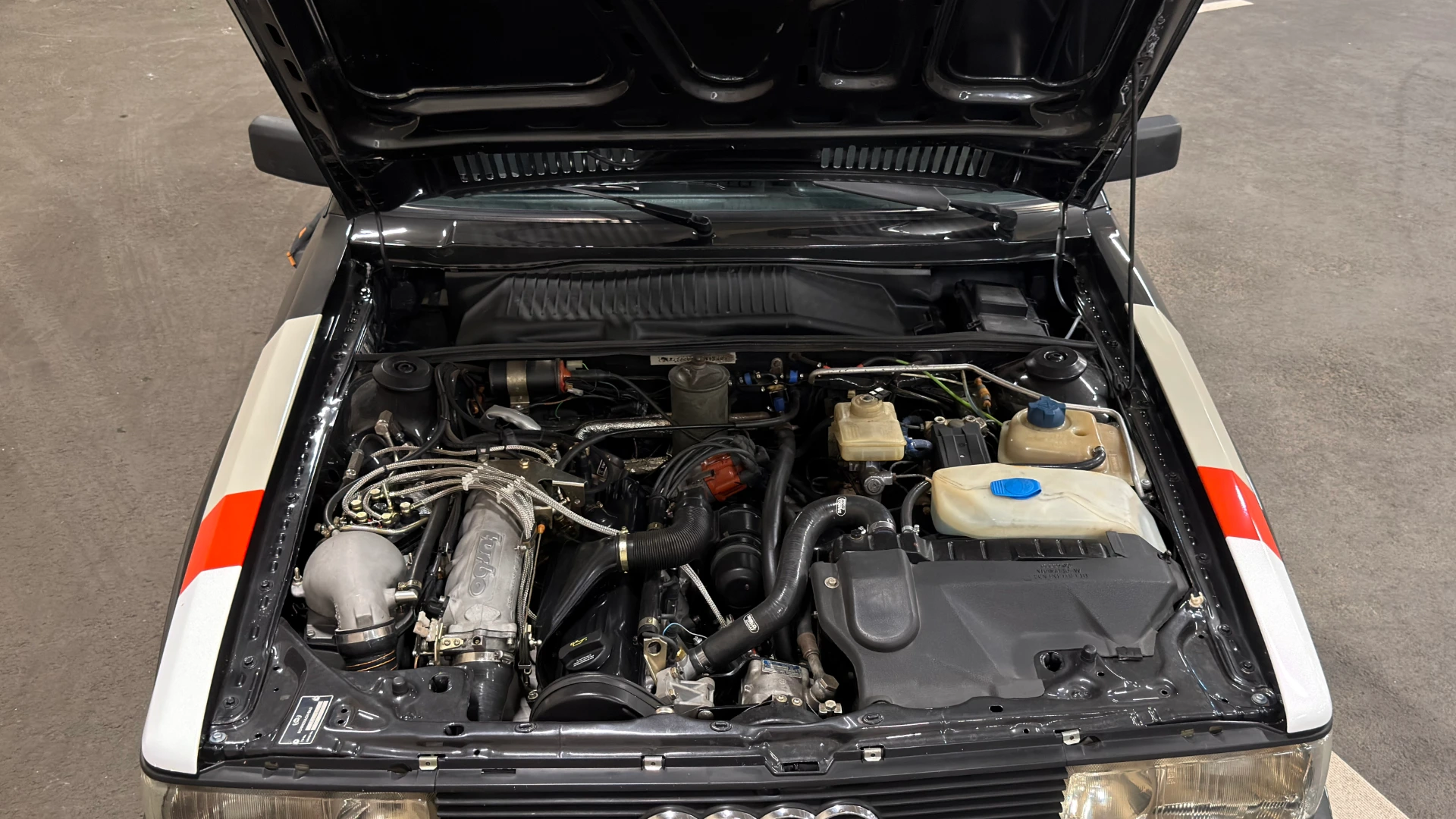
In 1985, the quattro still used the famous five-cylinder turbo engine (engine code WR) with the following characteristics:
• Cylinder: 2,144 cc
• Power: 200 hp at 5,500 rpm
• Torque: 285 Nm at 3,500 rpm
• Power supply: Bosch K-Jetronic
• Turbocharger: KKK K26
• BoGear island: 5-speed manual
• Transmission:permanent integral,manually lockable differentiators
• Top speed: approx. 221–222 km/h
• 0–100 km/h: approx. 7.3–7.5 s
The quattro offered performance comparable to that of a Porsche, while offering superior traction and better ease of use on a daily basis.
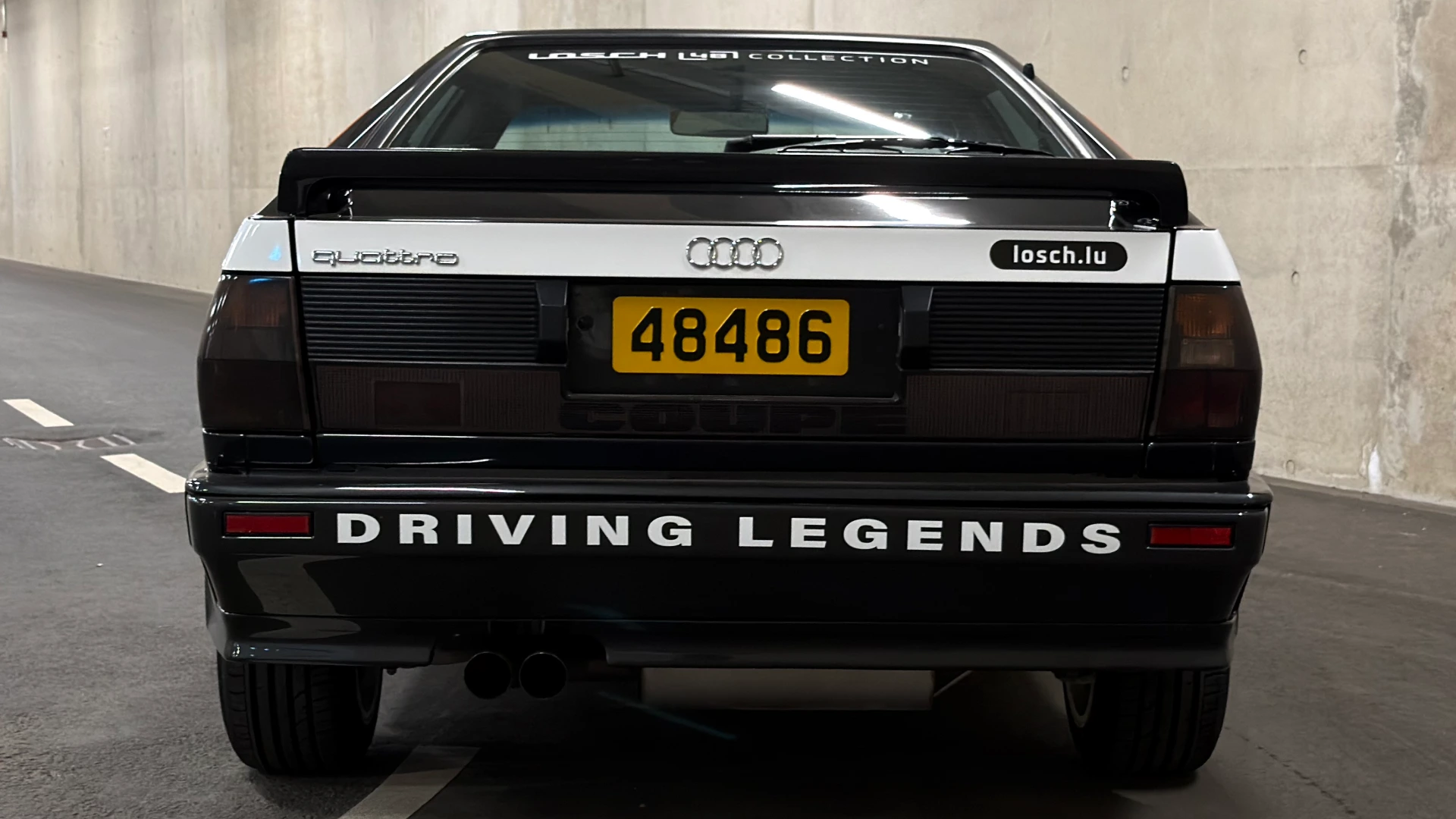
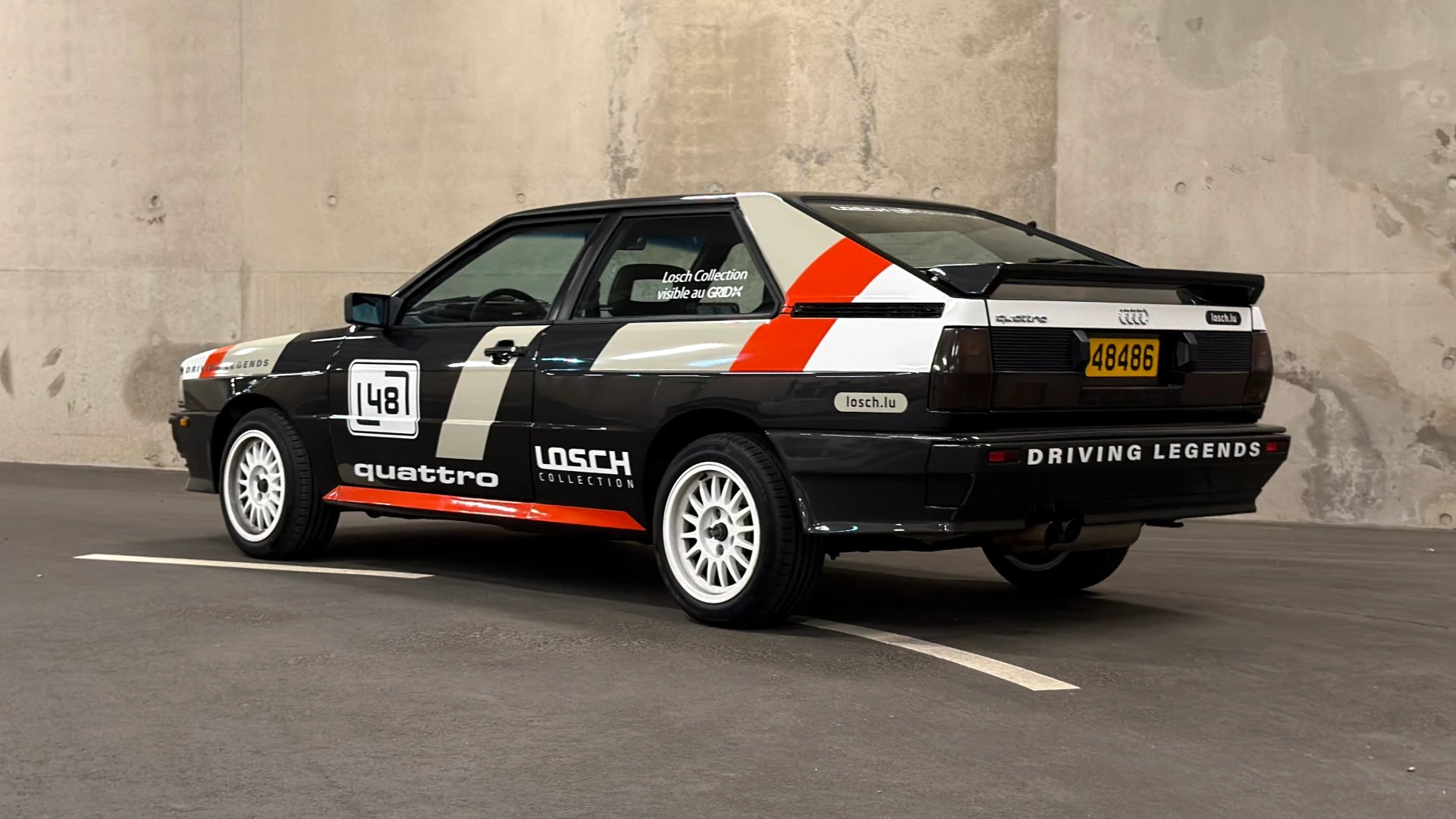
Bodywork, interior and design in 1985
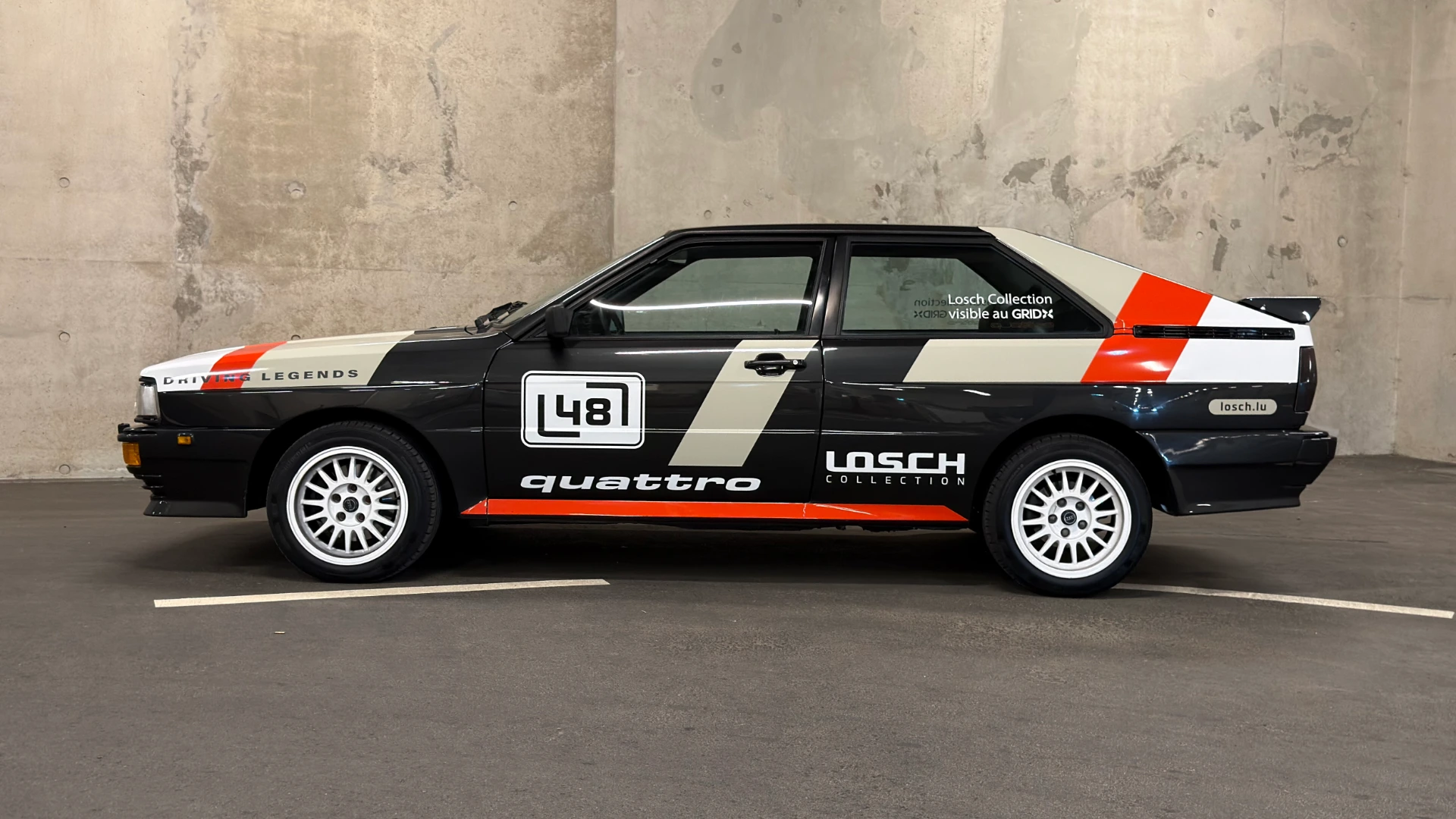
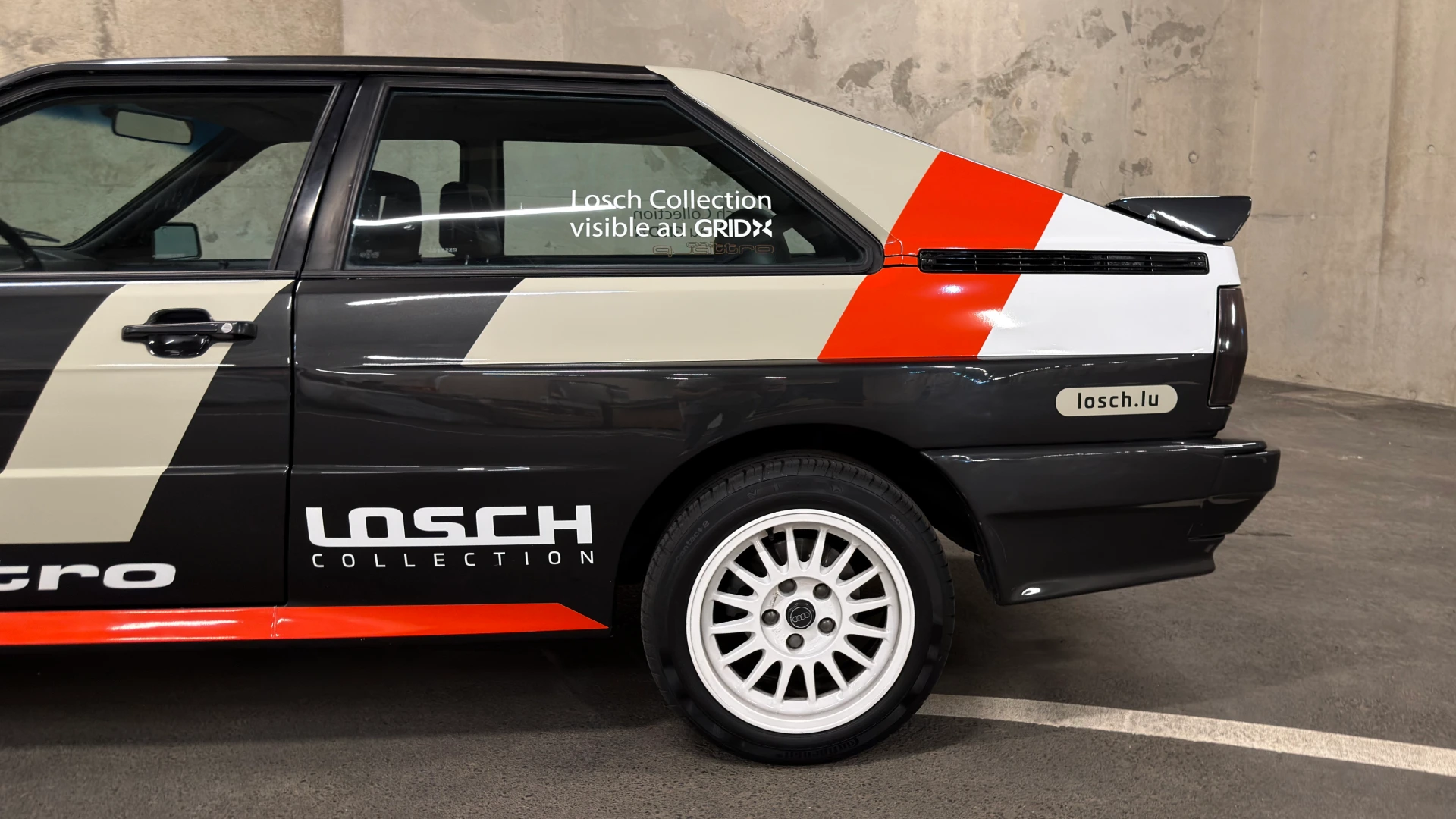
The quattro retained its characteristic silhouette throughout its production:
• wedge-shaped line
• widely enlarged fenders
• large glass surfaces
• three doors, five seats
• dimensions: 4,404 mm long, 1,723 mm wide, 1,344 mm high
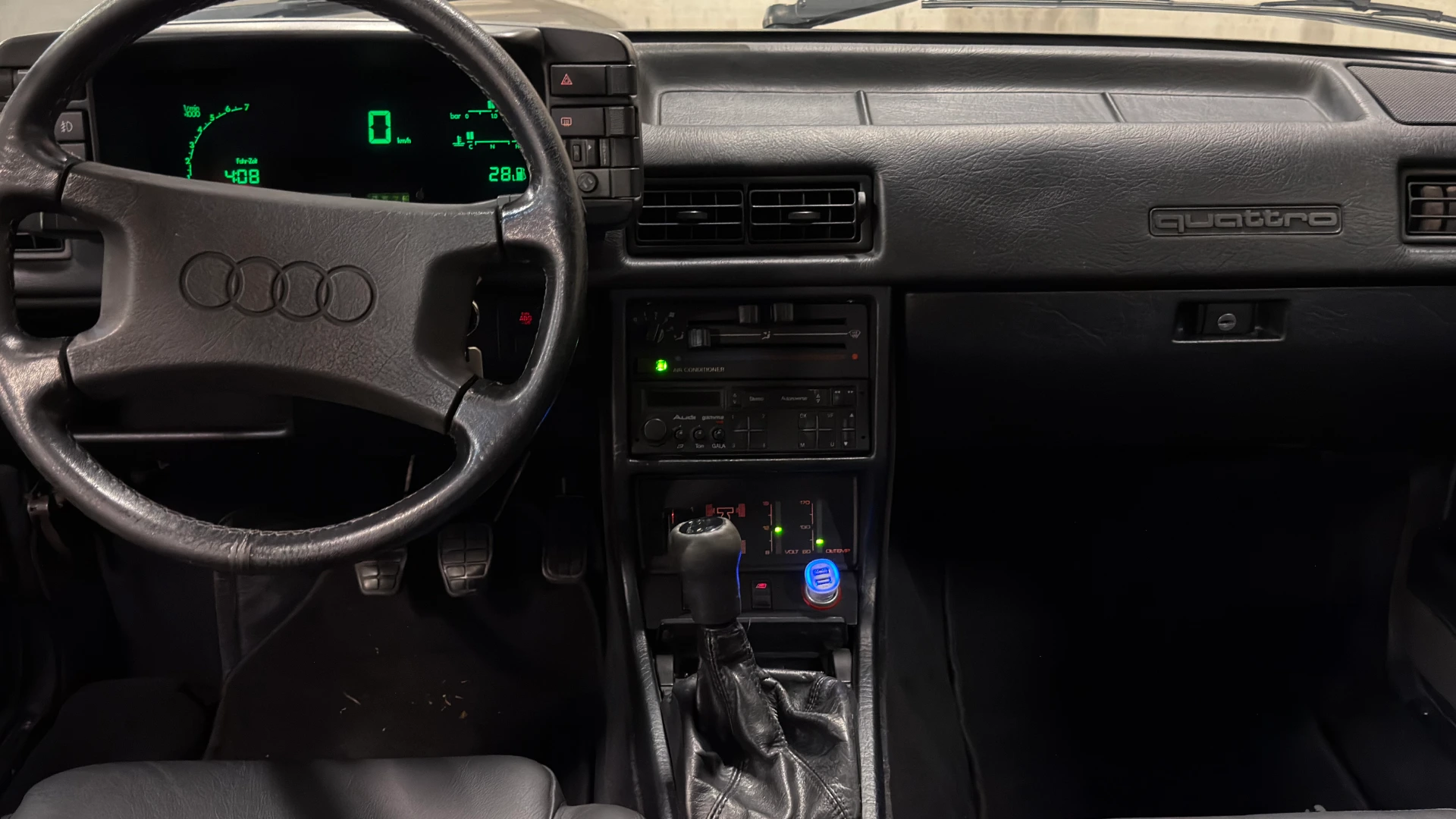
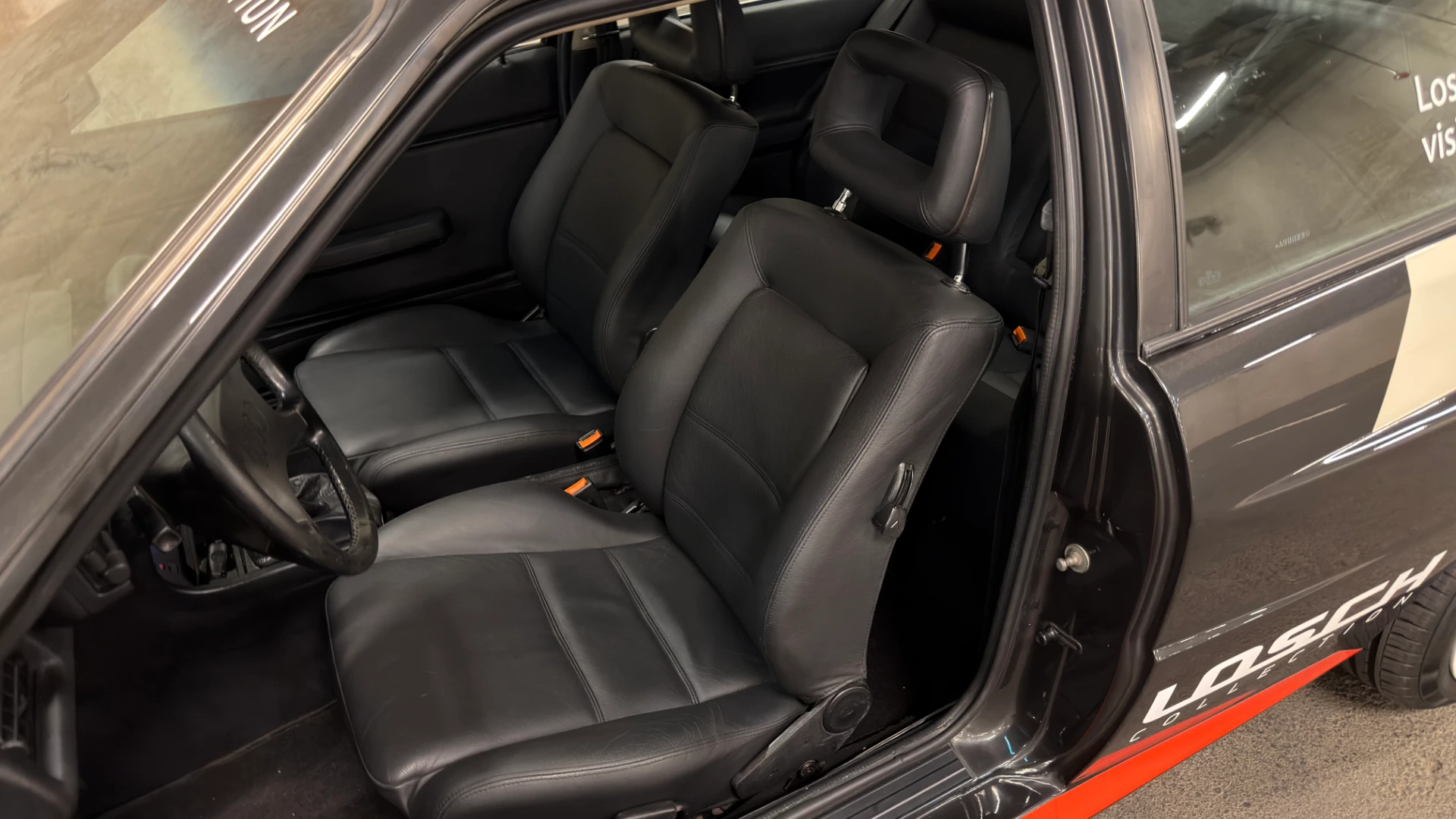
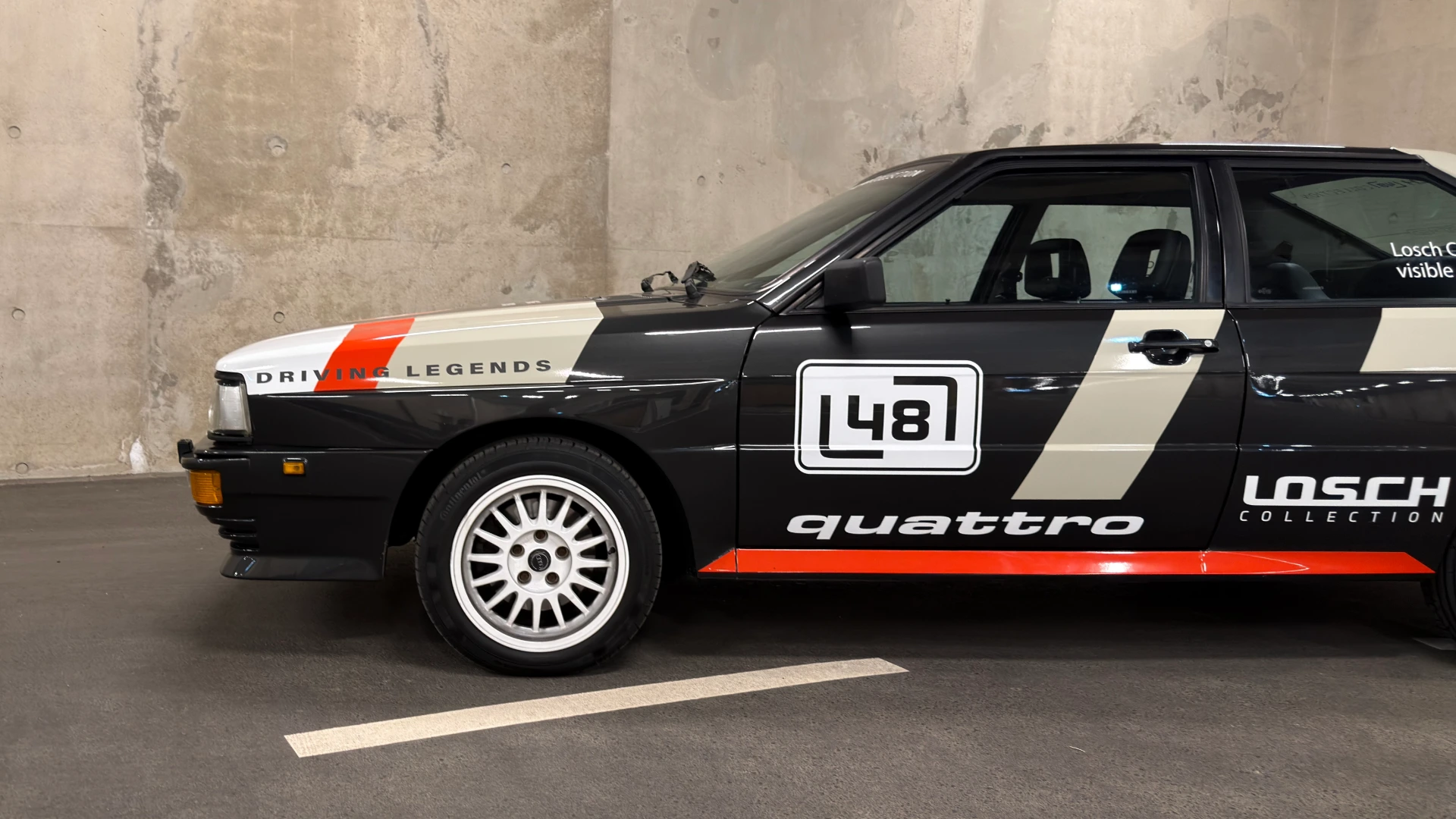
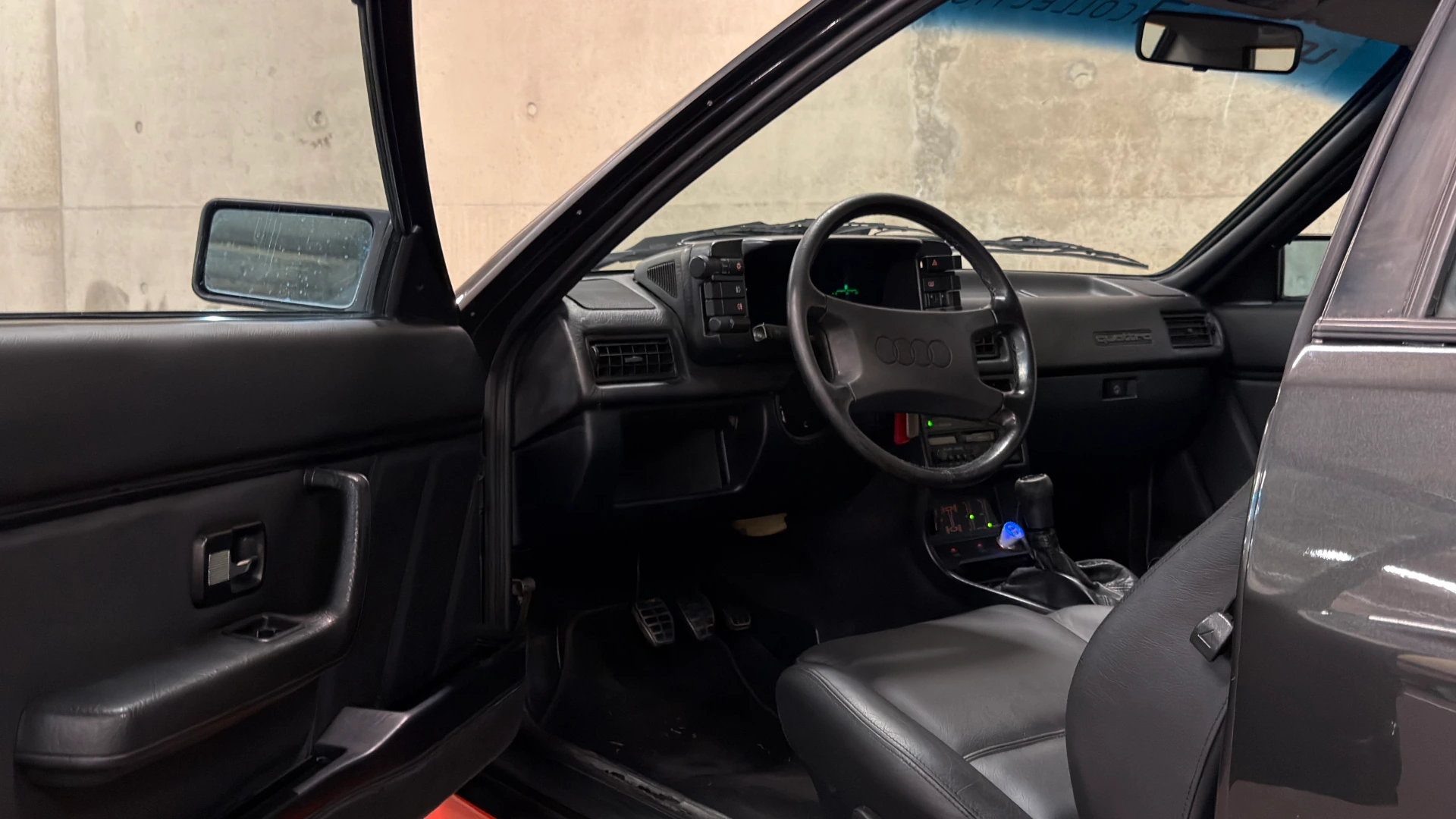
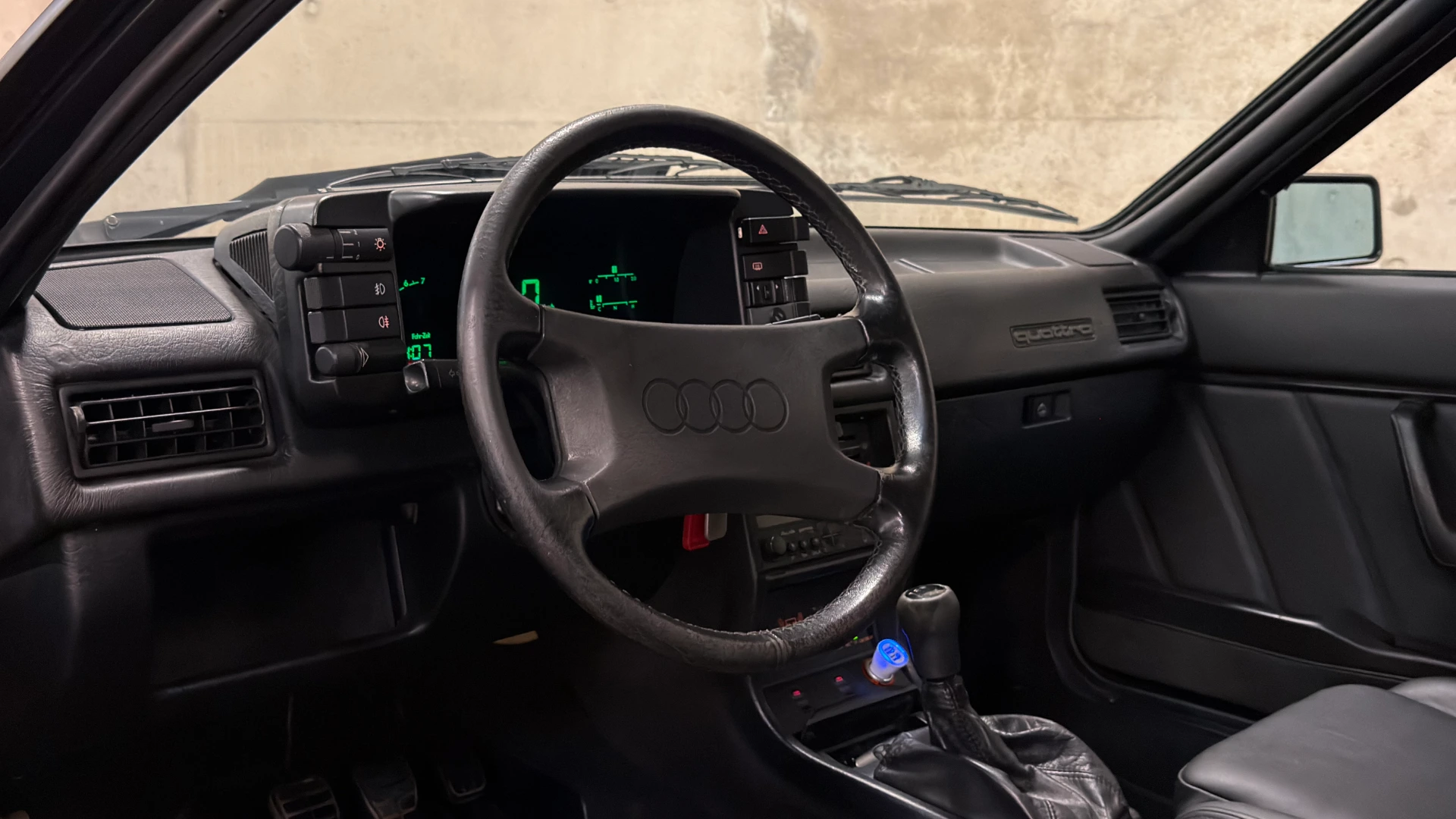
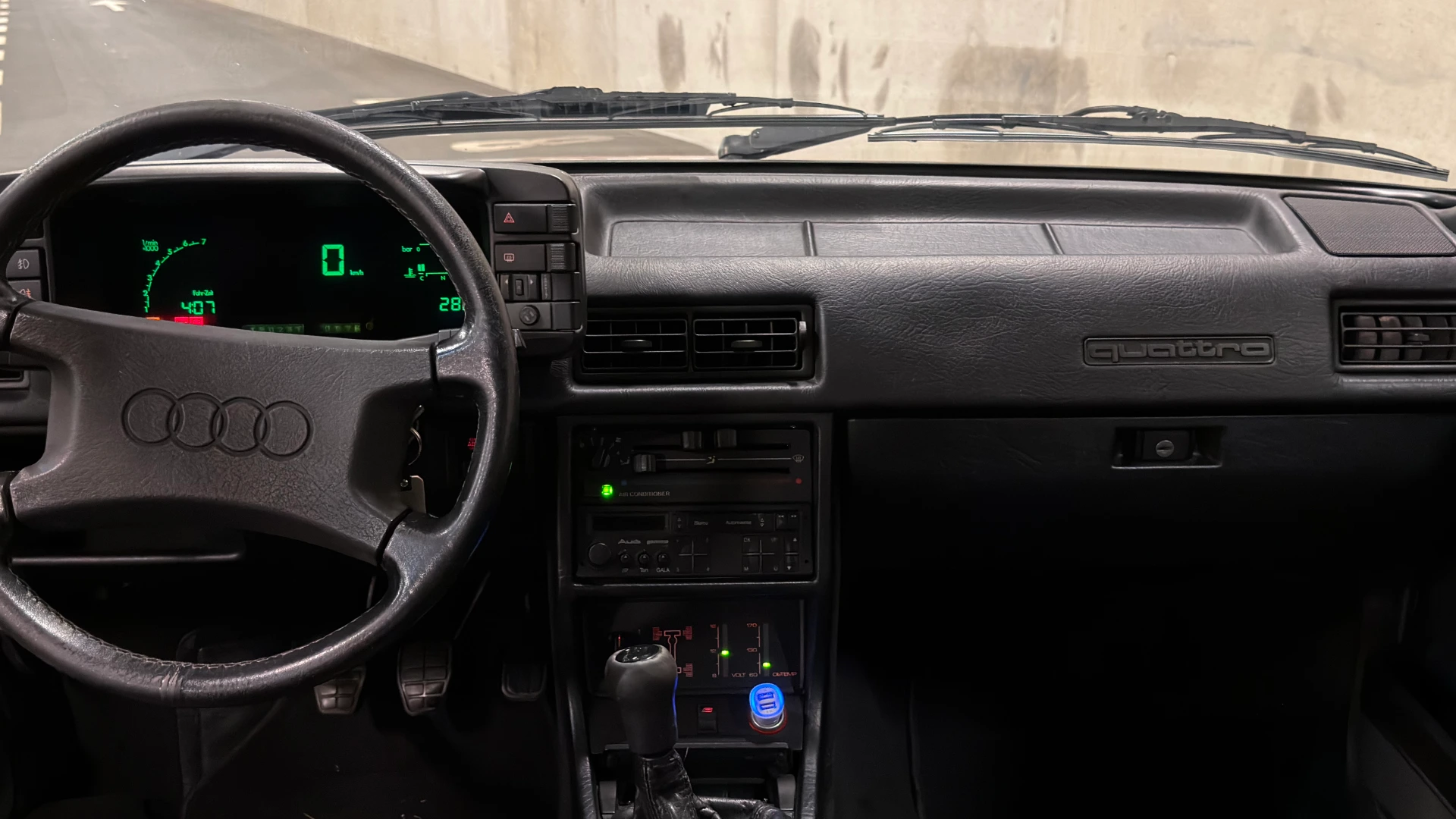
The interior had a decidedly sporty style: circular instrumentation,deep bucket seats, robust materialsand high-quality workmanship. Despite its sporty orientation, it offered good comfort of use for the time.
Chassis and handling (in 1985)
The quattro's chassis was based on a self-supporting steel body, with:
• McPherson struts front and rear
• Heavy-duty wishbones
• Relatively firm adjustment
Tests at the time described the chassis as decidedly sporty and with exceptional traction – a quality also later emphasised by world champion Walter Röhrl.La combination of the powerful turbo engine and all-wheel drive made the quattro particularly capable in bad weather, a major selling point.
Rally success and importance in 1985
Until 1985, the quattro was already a true motorsport legend:
• Constructors' World Championship: 1982 and 1984
• World Drivers' Championship: 1983 and 1984
These victories had a direct influence on the production model, with many technical solutions being adopted almost unchanged.1985 was also the time of the ultimate rally versions: the Sport quattro and then the S1,developedin parallel with the production of series (from 342 hp to more than 500 hp).
The 1985 Audi quattro in its historical context
The year 1985 represents the golden age of the Urquattro:
• Theinitial problems weresolved.
• The 10-valve technology was perfectly mastered.
• The vehiclewasalready a cult object – then and now.
• Its integrated transmissionbecame a central elementof the Audi identity.
Audi called the quattro "a new dimension of driving," and the specialized presspraised itsintegral drivetrain system as revolutionary.
Conclusion
The 1985 model year Audi quattro was a technically accomplished and advanced sports coupé that set new standards with its permanent all-wheel drive, powerful turbo engine and precise chassis. Its rally successes, combined with its everyday ability, make it one of the most important sports cars of the 1980s and one of the most iconic models in Audi's history.