
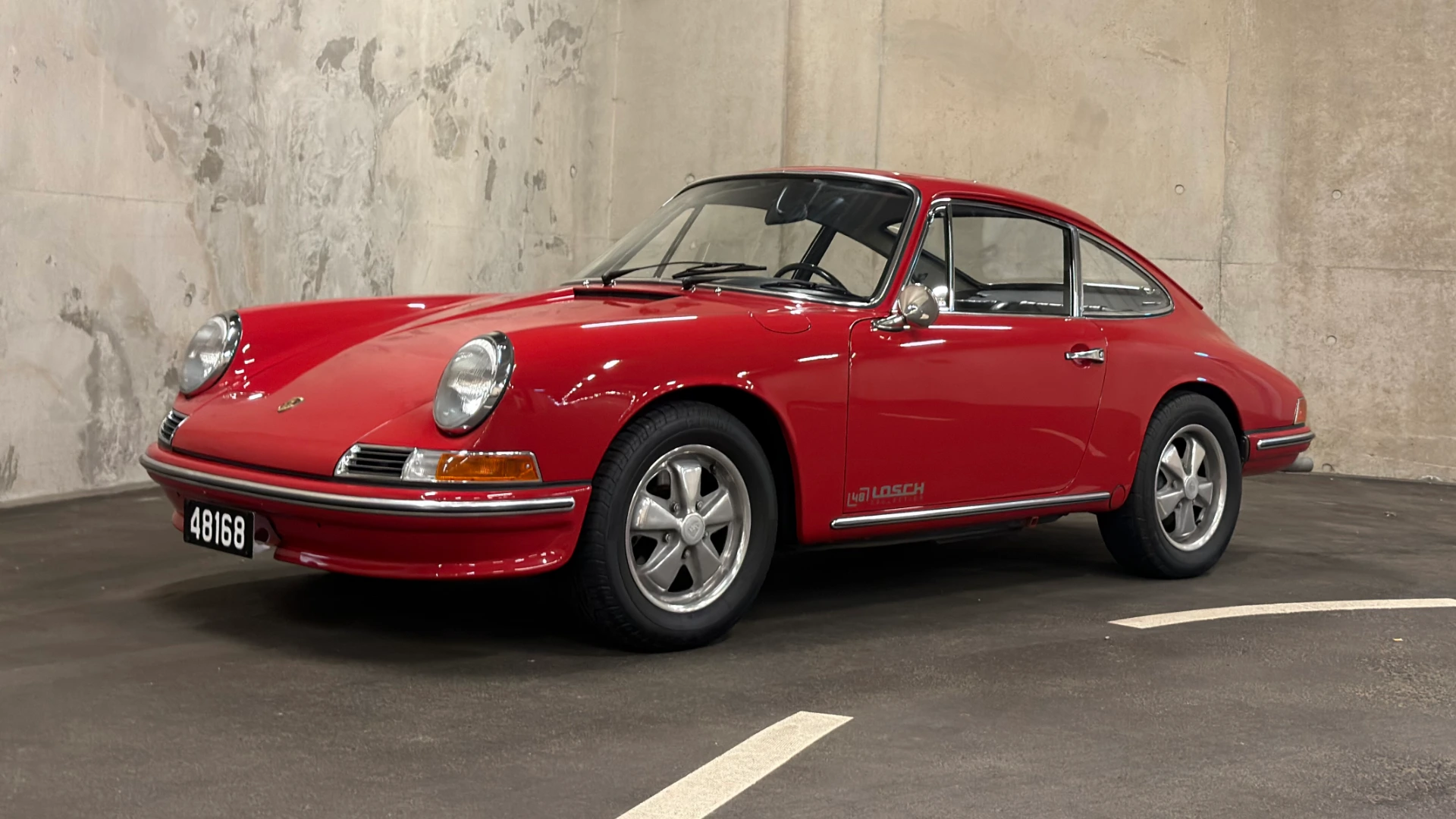
Porsche 912
Introduction: The Porsche 912 – the underrated member of the Porsche family
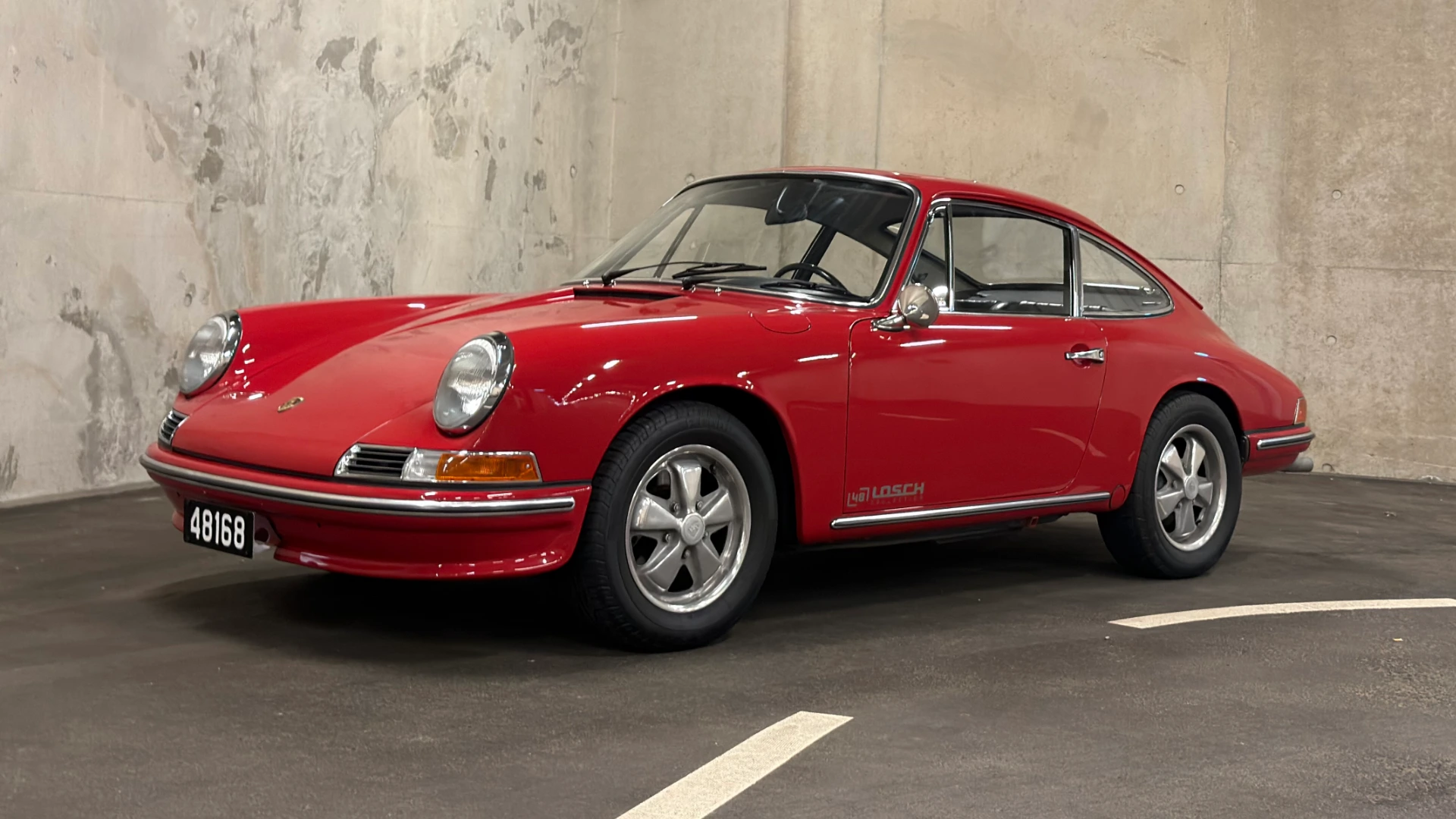
The Porsche 912 holds a special place in the history of the brand. It represents the model that ensured the transition from the end of the Porsche 356 to the definitive establishment of the Porsche 911.
With its four-cylinder engine, heir to the tradition of the 356, and its modern 911 body, it offered a more affordable alternative without giving up the sensations of a real Porsche.
The 1968 model year was a particularly interesting stage of development, marked by various technical and regulatory adaptations.
The genesis of the Porsche 912 : a response to the successor to the 356
Market positioning and motivations
After the introduction of the 911 in 1964, Porsche found itself faced with a strategic challenge :D many 356 loyalists considered the new 911 technically remarkable but too expensive. The 912 had to close this gap:
• Target audience: 356 drivers looking for a more modern vehicle at a reasonable price
• Positioning: gateway to the Porsche world, with the appearance of the 911 but with a lower cost of ownership and consumption
Technical Basis
Presented in 1965, the Porsche 912 combined:
• The complete body of the 911
• The proven 1.6-litre four-cylinder boxer engine from the Porsche 356 SC
This combination resulted in a technically advanced model that was lighter and more agile than the first six-cylinder 911s.
Technical and equipment of the Porsche 912 (model year 1968)
-
Engine
1.6-liter four-cylinder air boxer engine; 90 hp (66 kW) at 5,800 rpm
-
Gearbox
Standard 4-speed manual transmission; Optional 5-speed '901' manual transmission identical to the 911
-
Chassis & Brakes
Four-wheel independent suspension; Disc brakes on all four wheels; Precise road handling for the time
-
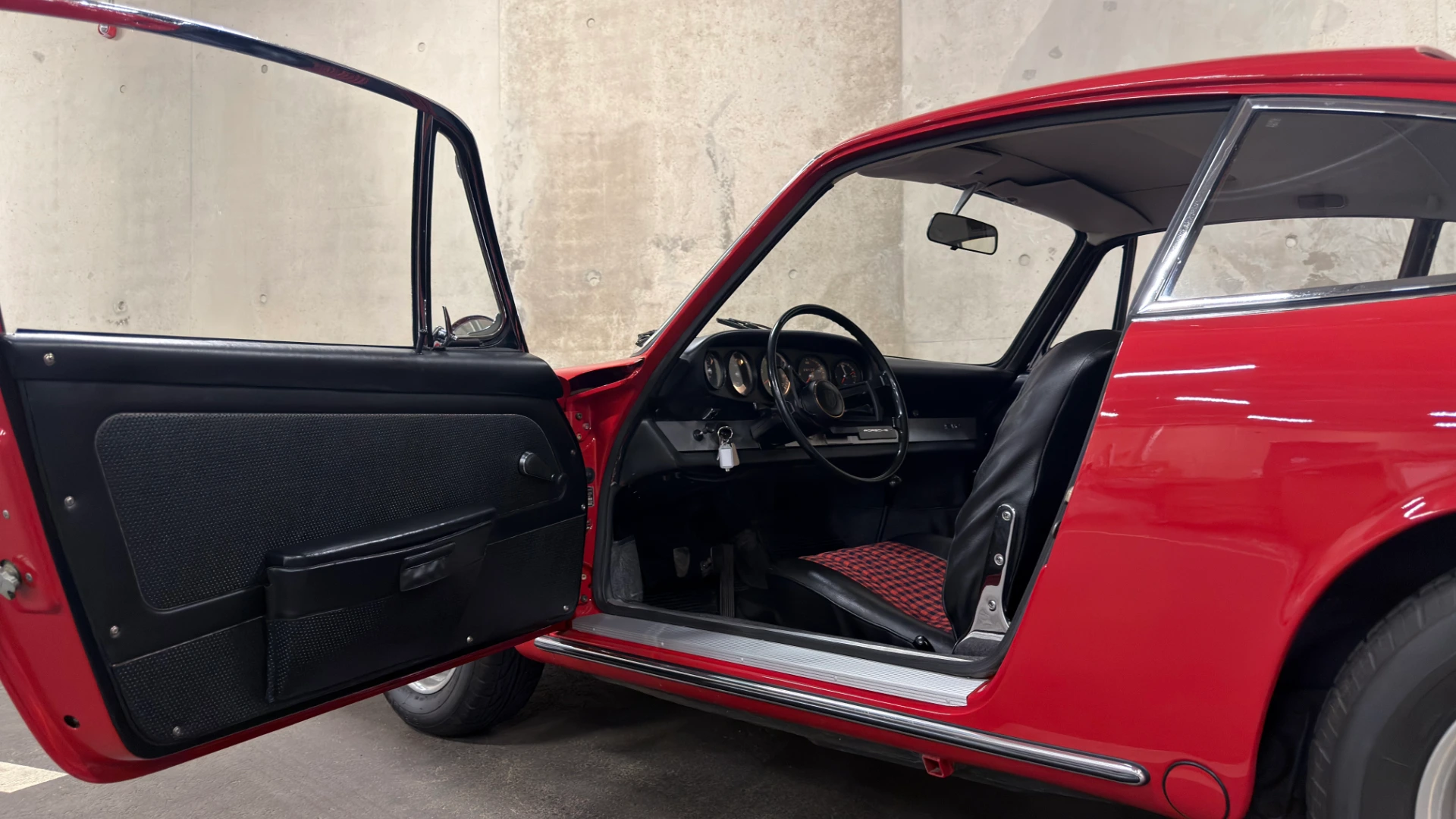
Interior
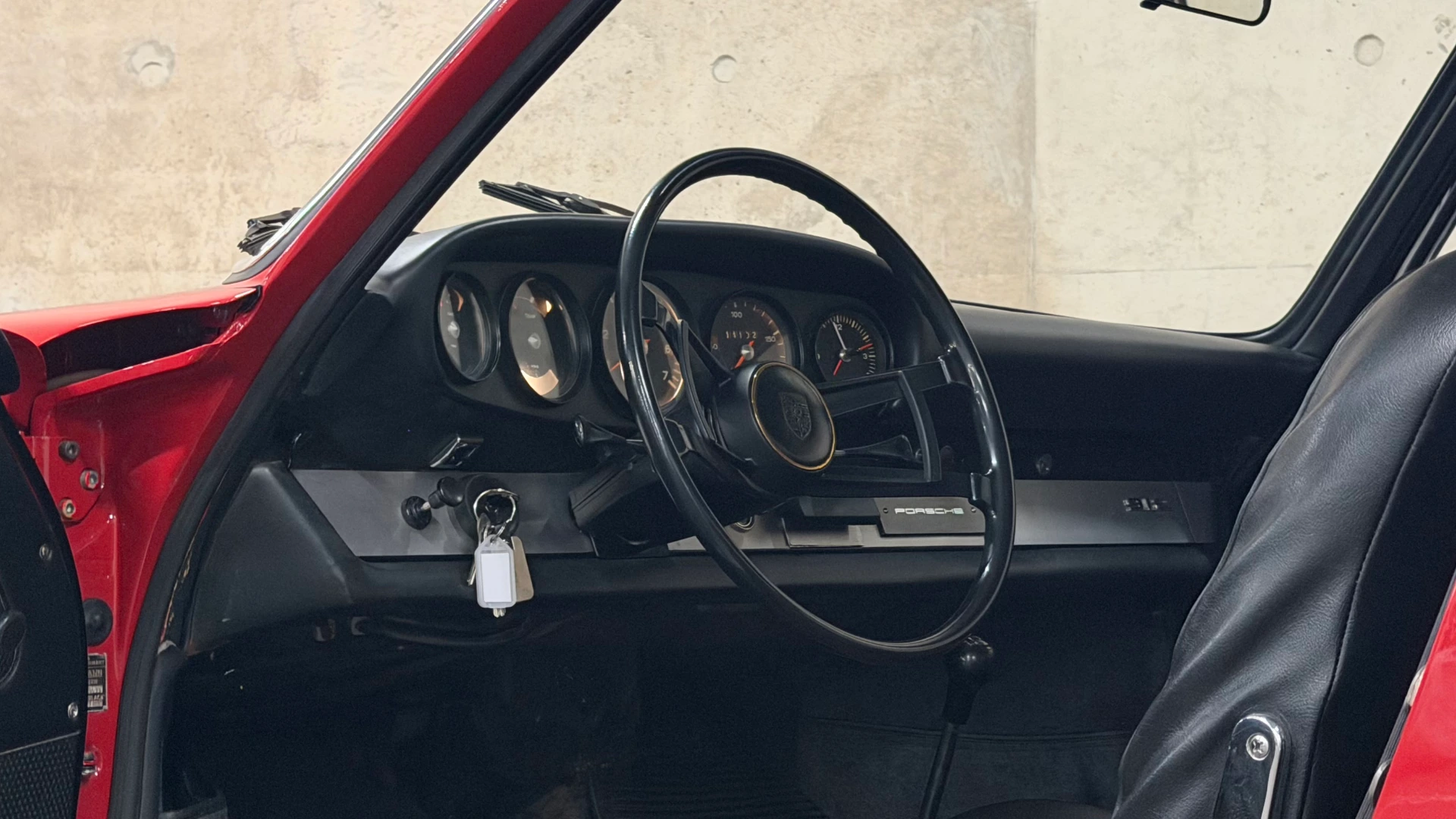
Slightly simpler than that of the 911, without appearing bare: Five round instruments – Porsche signature; Quality materials; Dashboard with a clear and technical style
-
External appearance
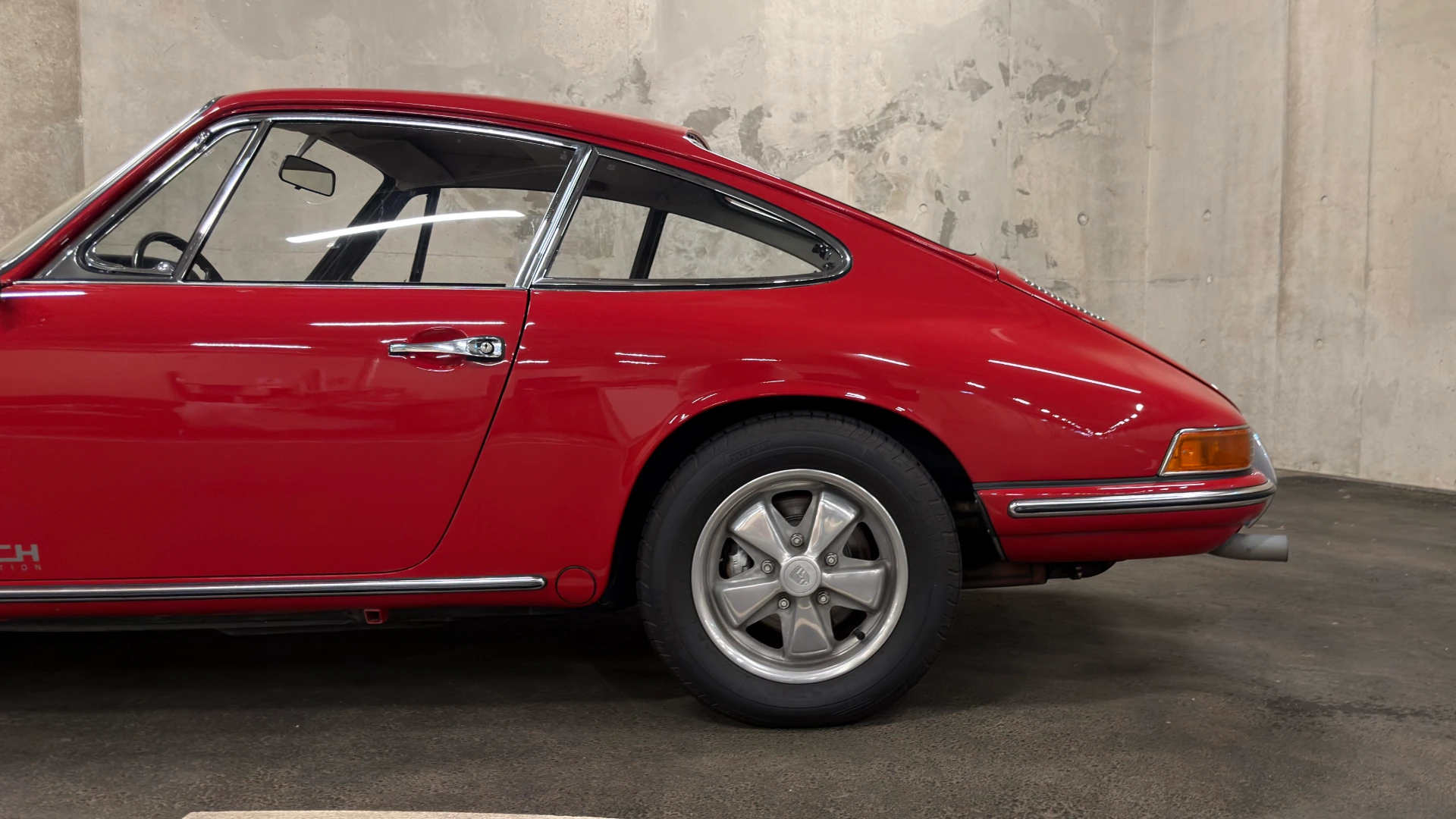
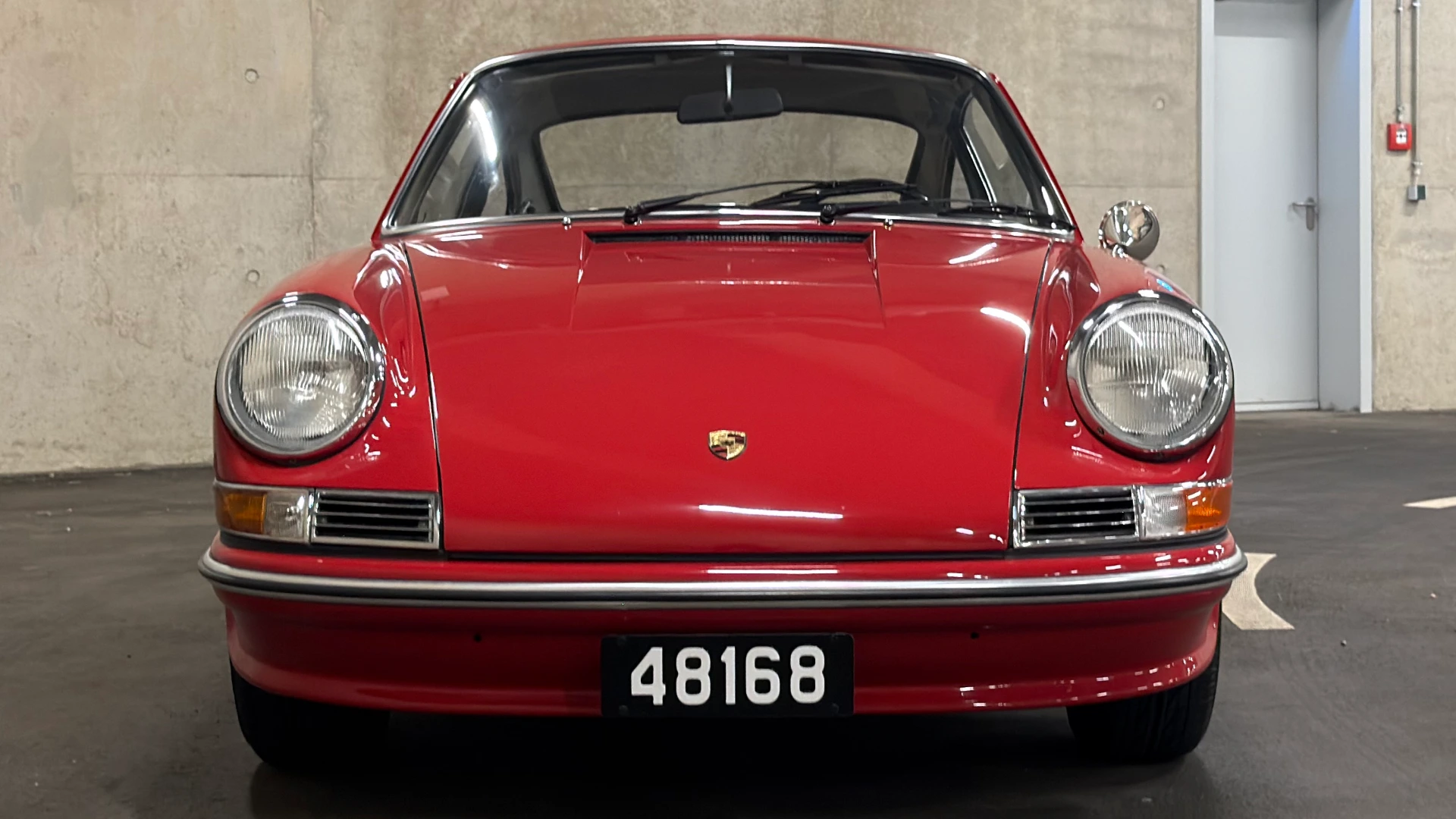
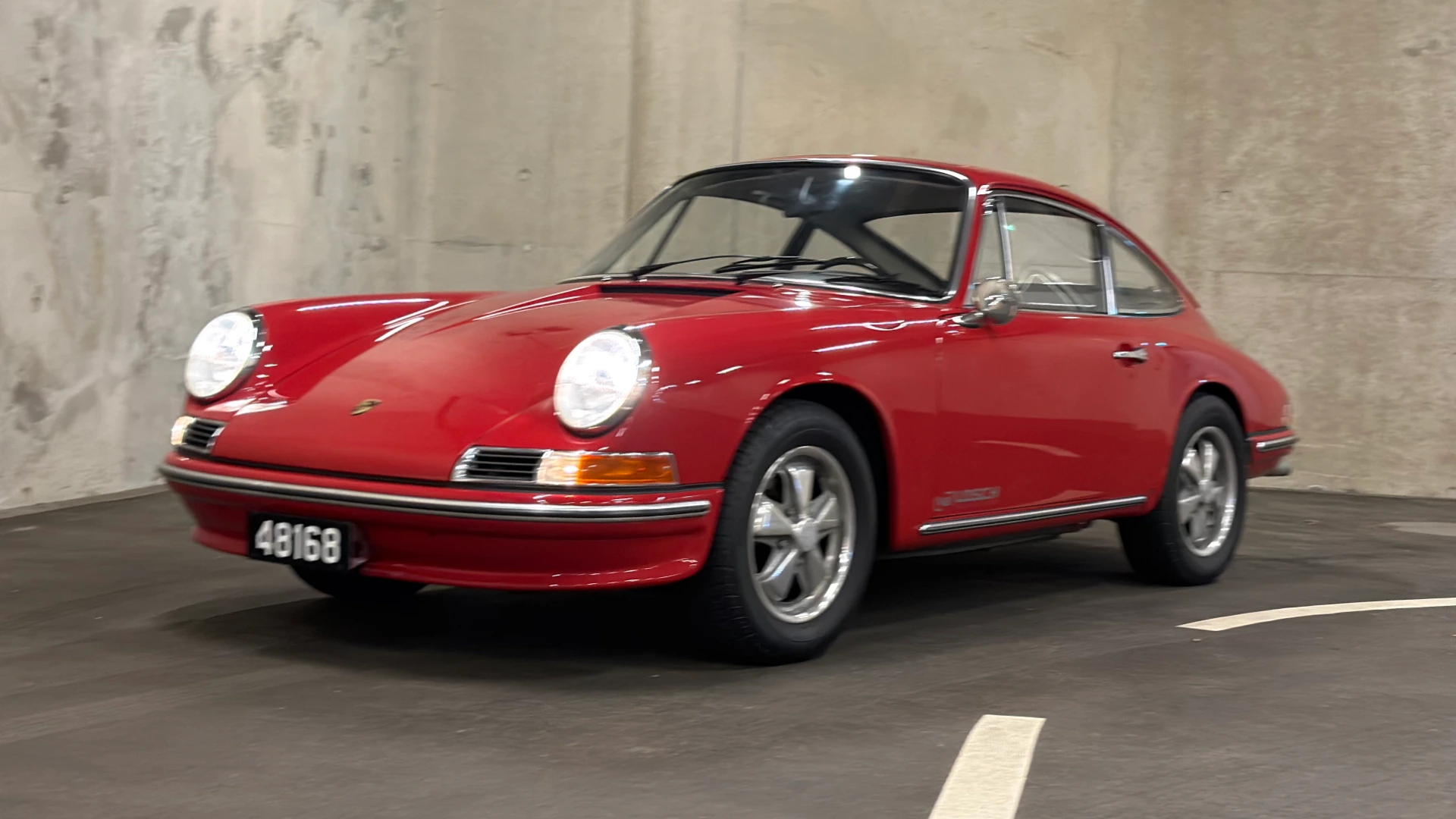
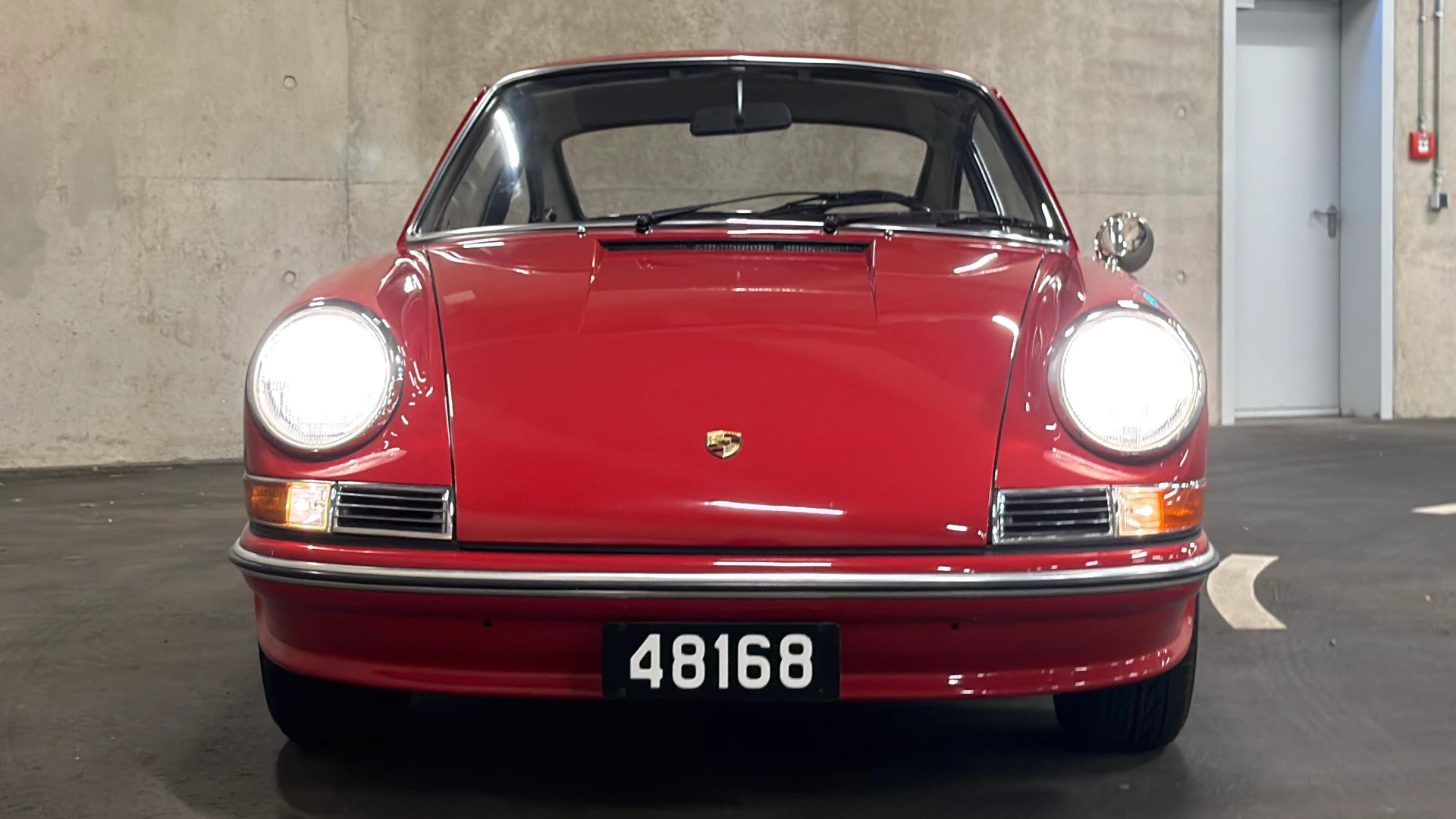
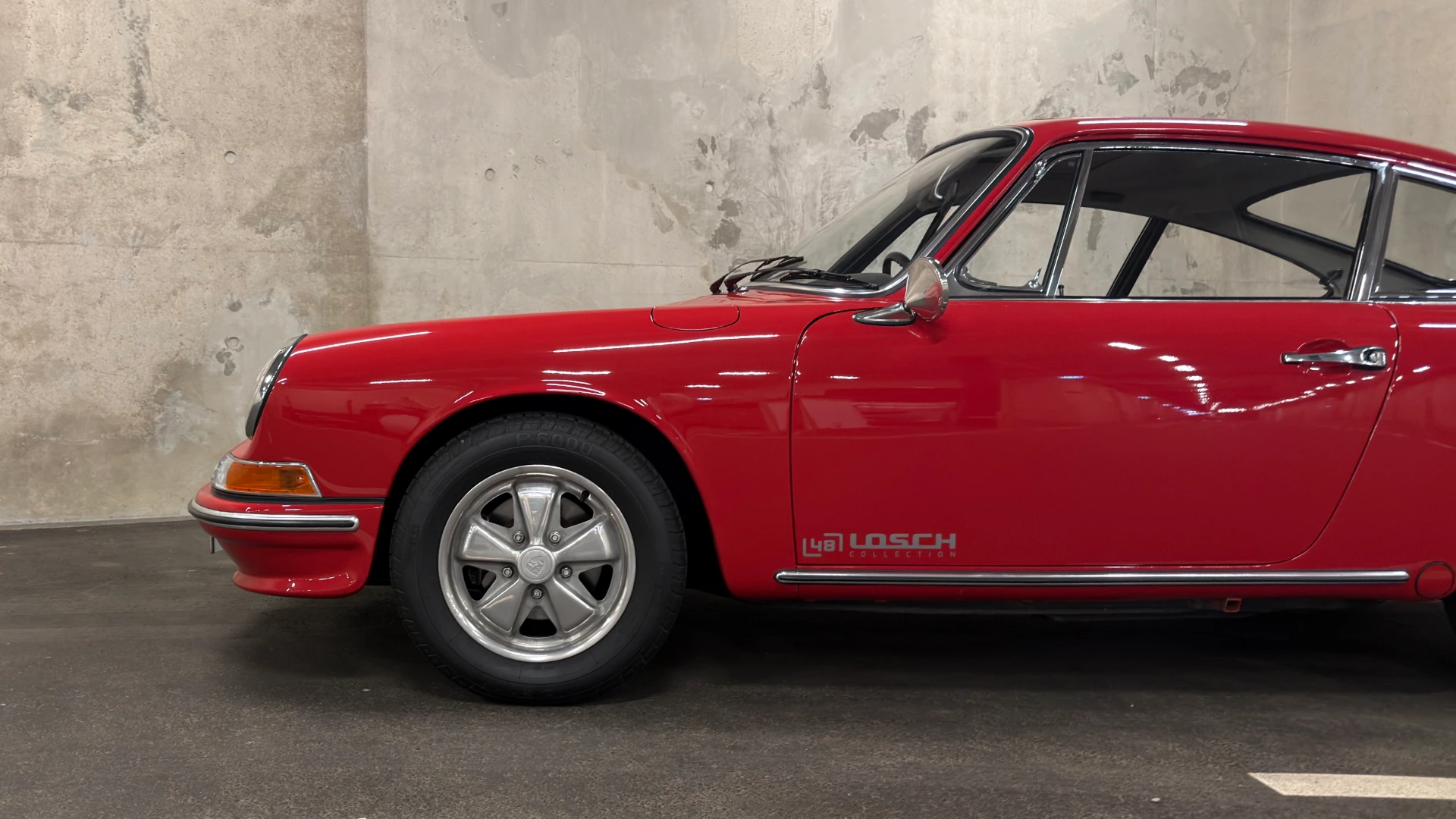
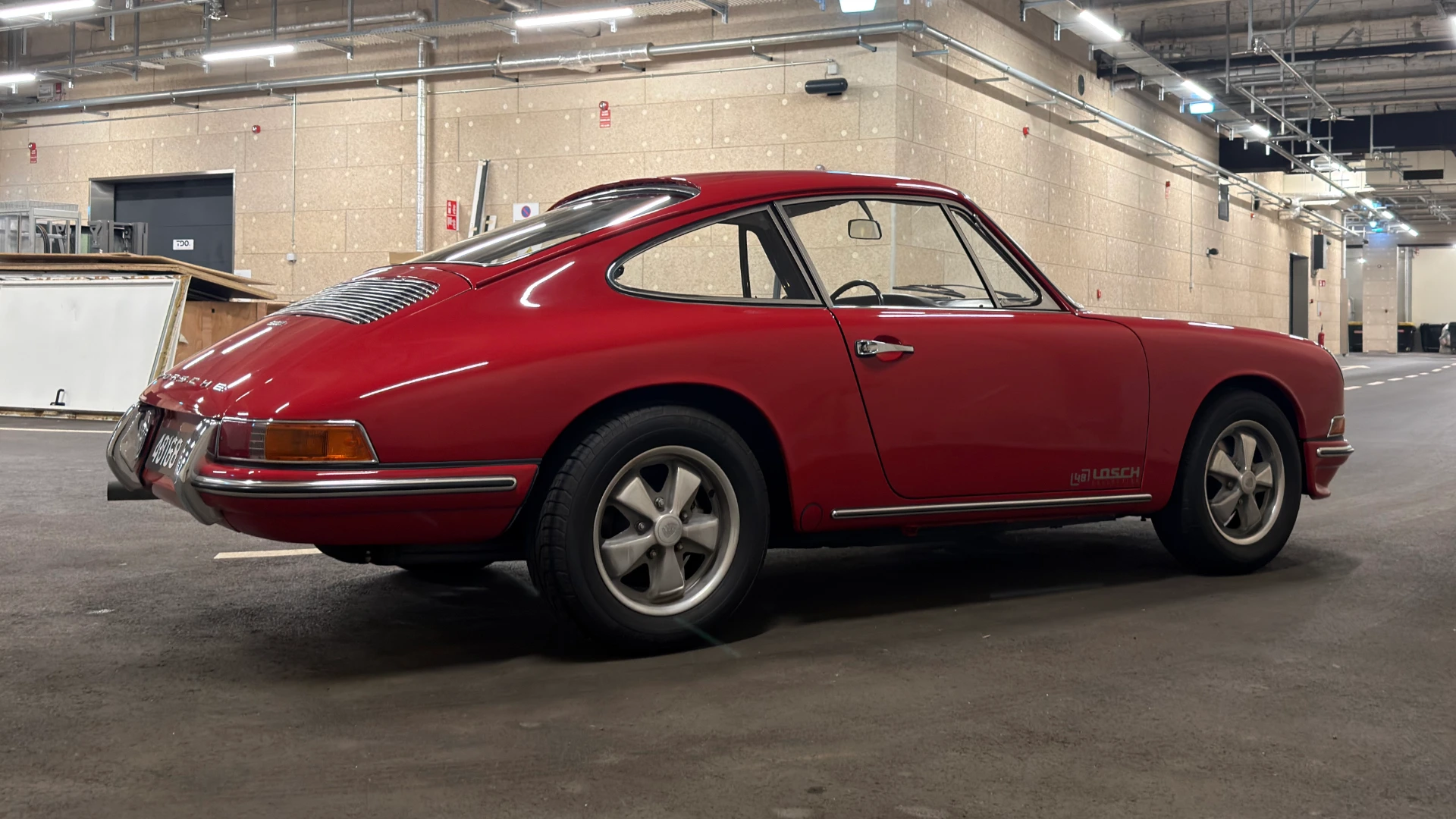
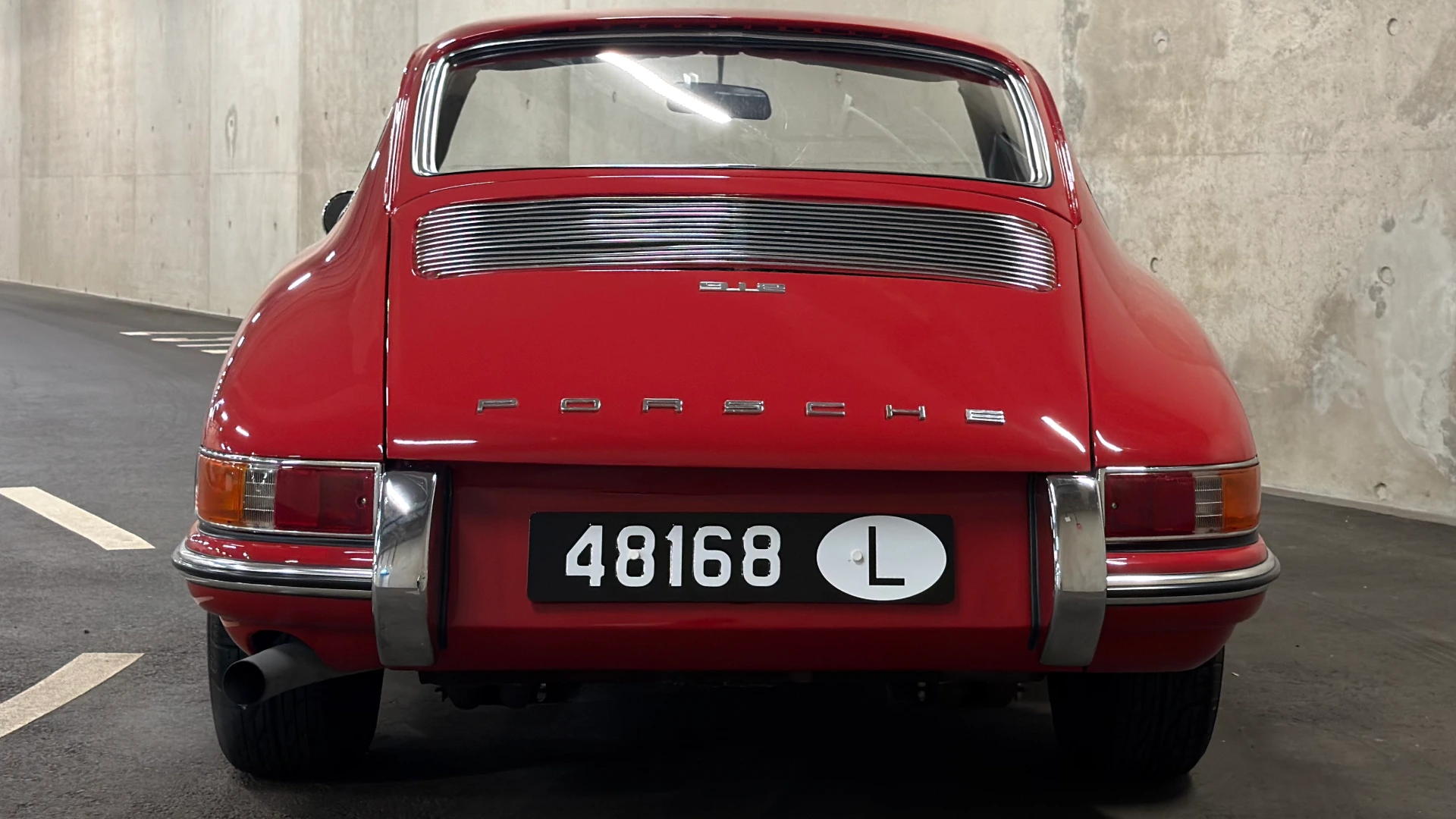
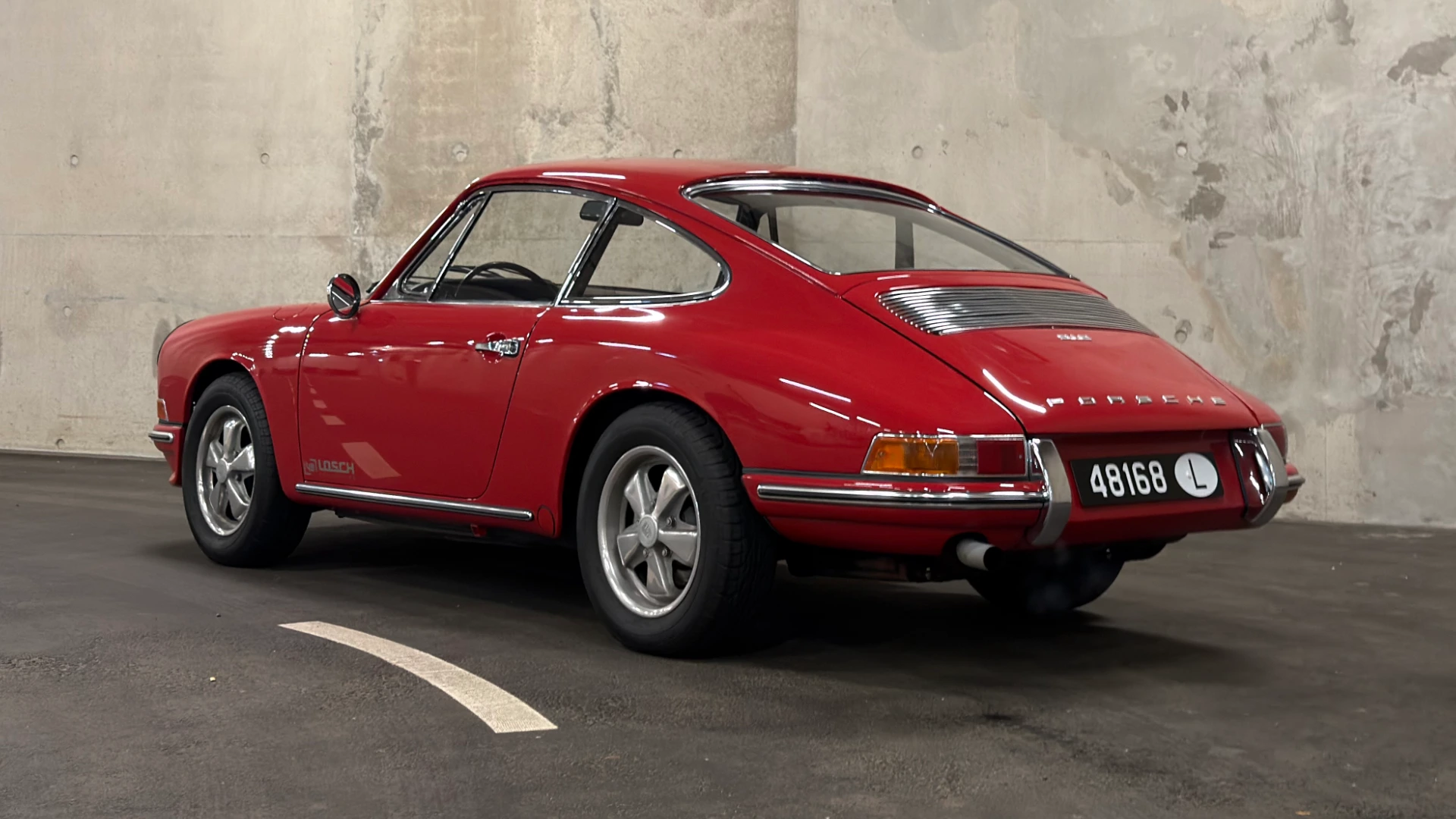
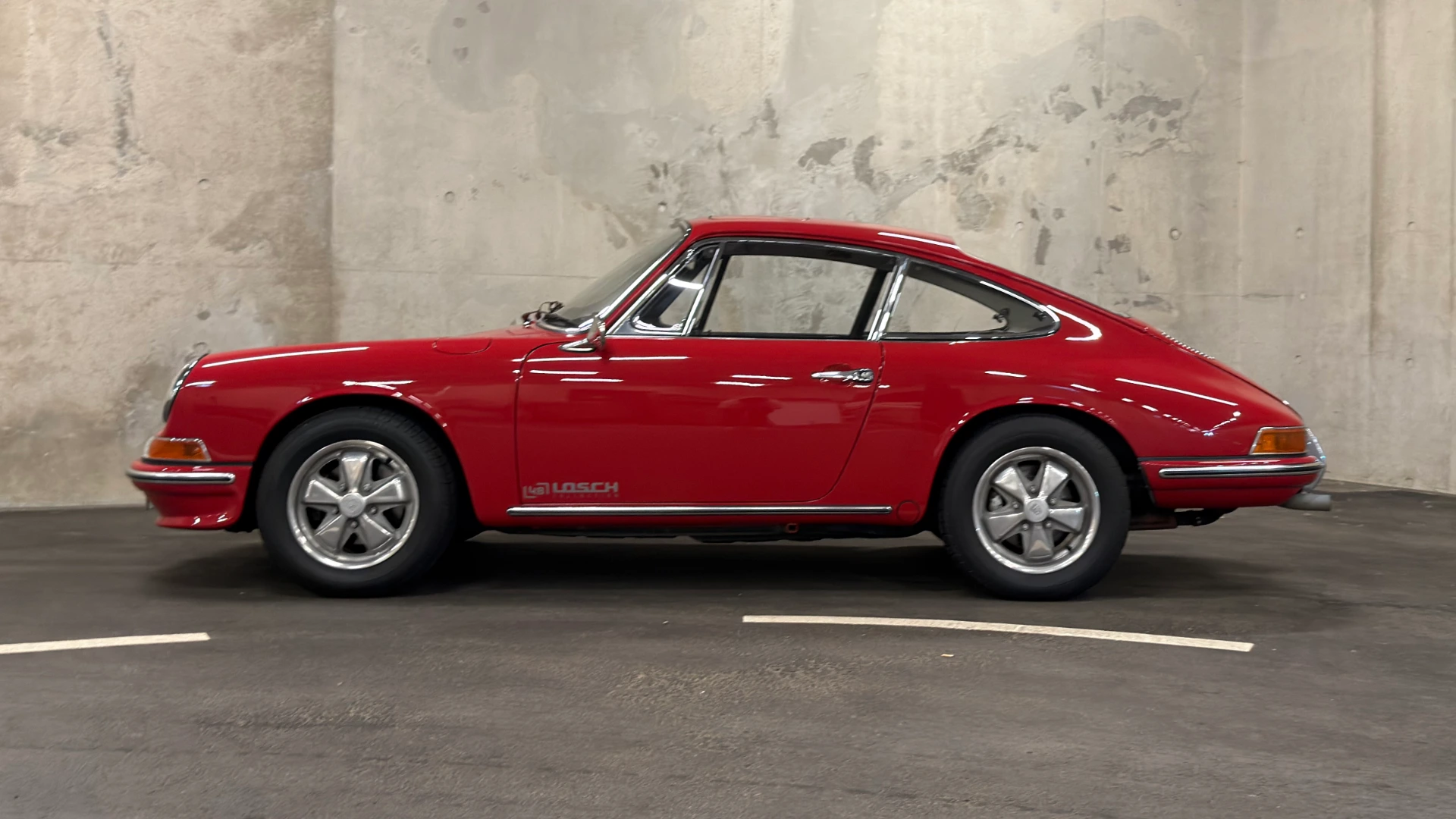
Almost looks like a 911: Same body and silhouette; '912' badge replaces the '911' badge on the back; Purist design, considered extremely timeless today
1968 Model Year Features
The year 1968 was marked by changes imposed mainly by the regulations of the American market, which was crucial for Porsche.
Adaptations for the United States
• Side markers
• Improved interior padding
• New seat belts
• Adding headrests on many models
These characteristics make the 1968 models easily identifiable with collectors today.
Production Phase
• 1968 represents the last full year of production of the classic Porsche 912
• In 1969, it was replaced by the Porsche 911 T and the new Porsche 914
The end of an era – and the brief return of the 912
End of the classic 912 (1969)
After 1969, production of the 912 stopped:
• Switch to the 911 T and the more affordable 914
• The 912 is nevertheless still sought after for its reliability and low maintenance costs
Back to 1976: The Porsche 912 E
The 912 made a one-off comeback in 1976, exclusively for the United States:
• Model: Porsche 912 E
• Technical basis: 911 G series
• Engine: 2.0-litre four-cylinder (VWPorsche technology)
• Production limited to a single year → very rare modeltoday
Production and importance of the Porsche 912
The Porsche 912 proved to be much more strategic than Porsche had initially anticipated:
• Total production 1965–1969: 32,923 units
• It guarantees Porsche's economic stability between the 356 and the 911
• It combines tradition (four-cylinder) and modernity (design of the 911)
Today, it is a model very popular with collectors, especially for:
• its lightness
• its purist character
• its direct behaviour
• its authenticity as an early "911 experience"
Conclusion: The Porsche 912 – a milestone for purists and collectors
The Porsche 912 is much more than the "entry-level model" of the 1960s. It was a strategically essential model, allowing Porsche to consolidate its position, build customer loyalty and make the iconic design of the 911 accessible to a wider audience.
The 1968 model year – one of the last – is distinguished today by:
• its historical significance
• its technical maturity
its true Porsche DNA
A vehicle that is now rightly celebrated in the world of collectors.