
Skoda Octavia
Historical context of the creation
After the Second World War, Škoda was nationalized and continued its activity under the name AZNP.The economic situation was difficult, materials were scarce and the development of models had to follow the state's five-year plans.
The Octavia, produced from 1959, was originally a technically modernized version of the predecessor model Škoda 440 ("Spartak").
The name "Octavia" comes from Latin and refers to the brand's eighth modelafter war. From the moment of its launch, the vehiclewas designedas apractical, robust and suitable model for everyday use – perfectly in line with the needs of the population in a planned economy.
Introduction of the Combi version and its role until 1968
The Combi version was introduced from 1961 and quickly became very popular, as it offered a large load volume combined with reliable technology. Demand sometimes far exceeded production capacity.
Its impressive cargo volume for the time (more than 1,000 litres with the bench seat folded down) made the Octavia Combi particularlysought after.
A total of 54,086 Combi units were produced until 1971, making 1968 one of the last and most successful years of this series.
Technical specifications of the Škoda Octavia Combi (1968)
-
Engine & Transmission
1.2L inline-four engine, water-cooled; OHV Engine (Overhead Valves); Power: approx. 47 hp at 4500 rpm; Torque: 85–87 Nm at 3000 rpm; Carburetor: 1 × Jikov; Transmission: RWD
-
Gearbox
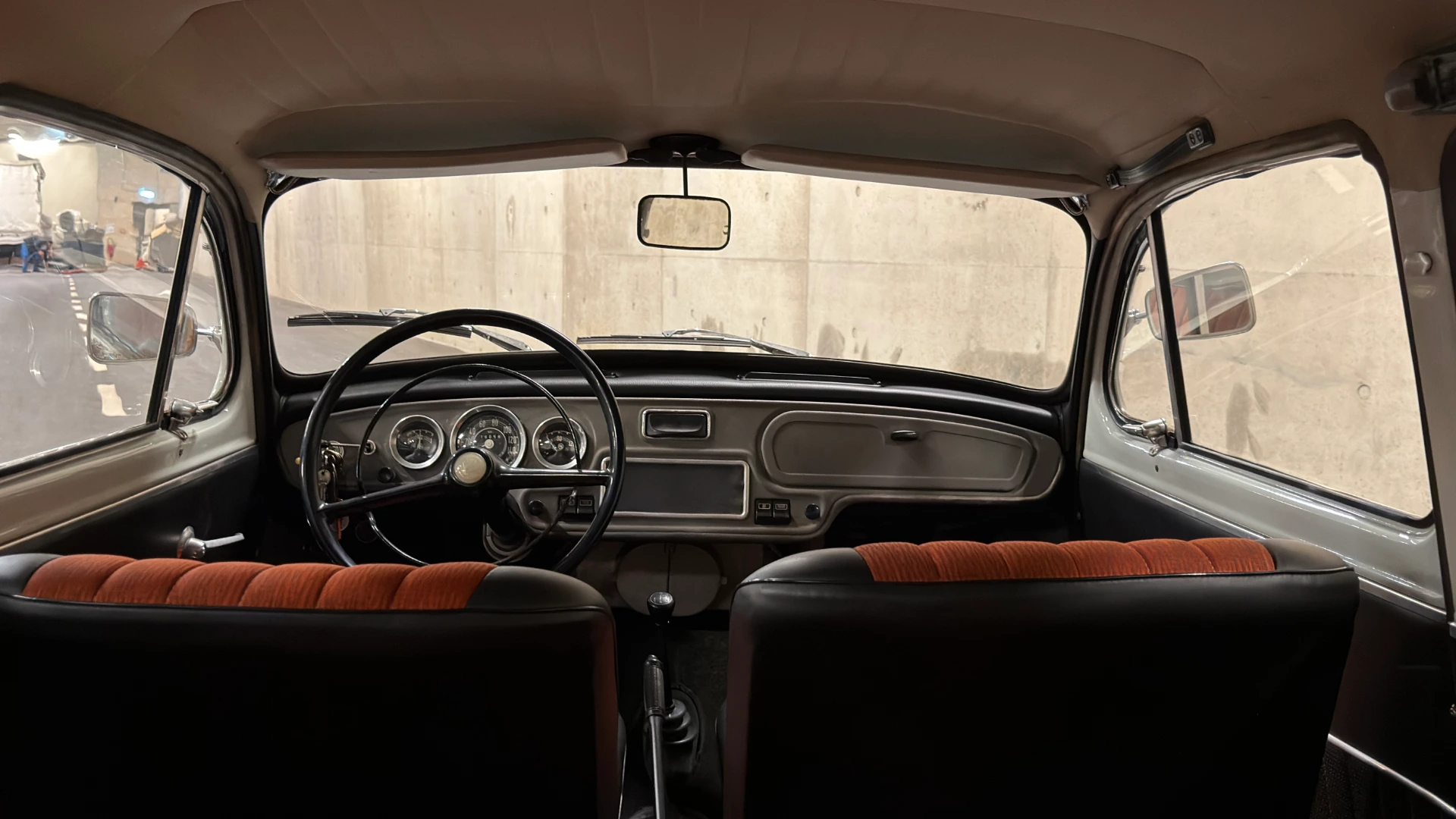
4-speed manual transmission, fully synchronized; Atypical passage pattern (1st gear at the top right)
-
Performance
Top speed: approx. 115–120 km/h; 0–100 km/h: not officially indicated, but well over 20 seconds
-
Chassis & steering
Very firm suspension, adapted to the road conditions of the time; Heavy steering, classic worm & nut system
Design and practicality for everyday life
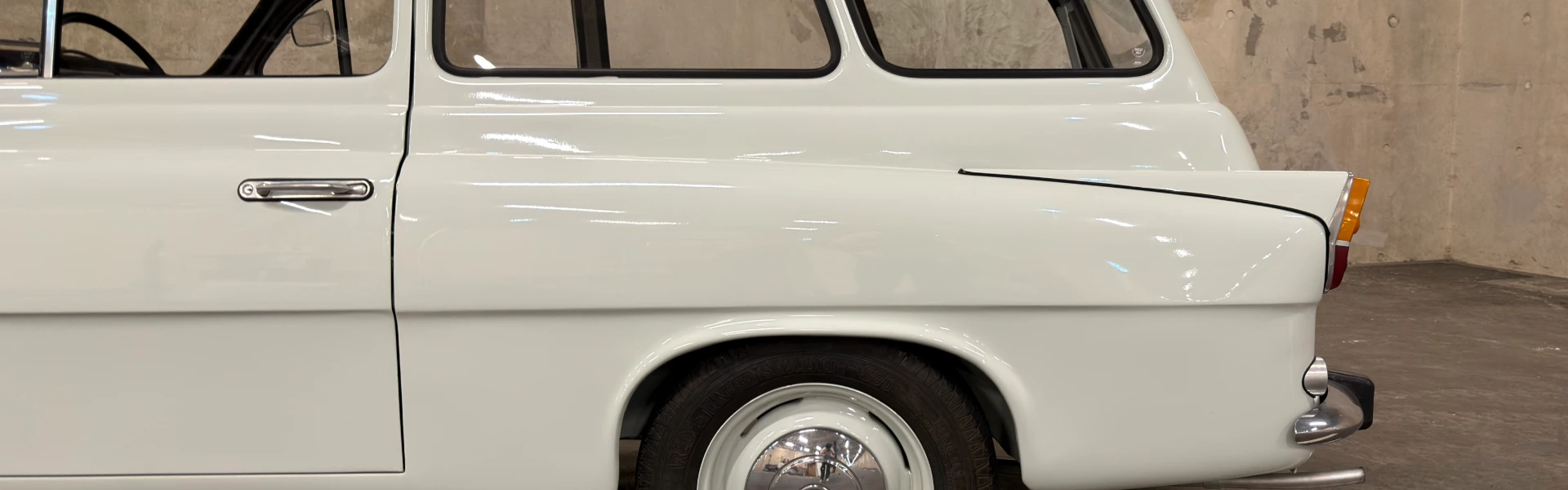
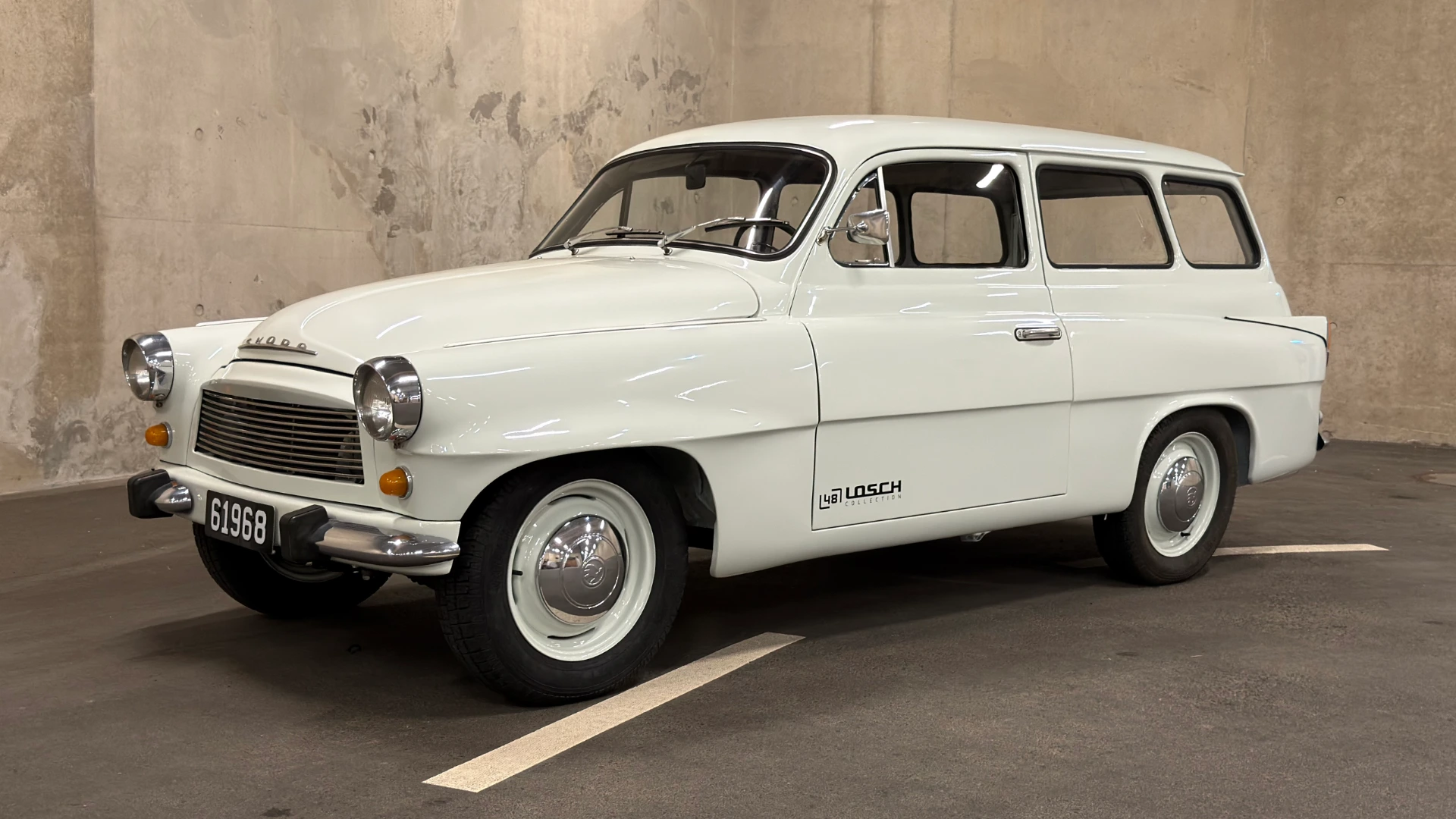
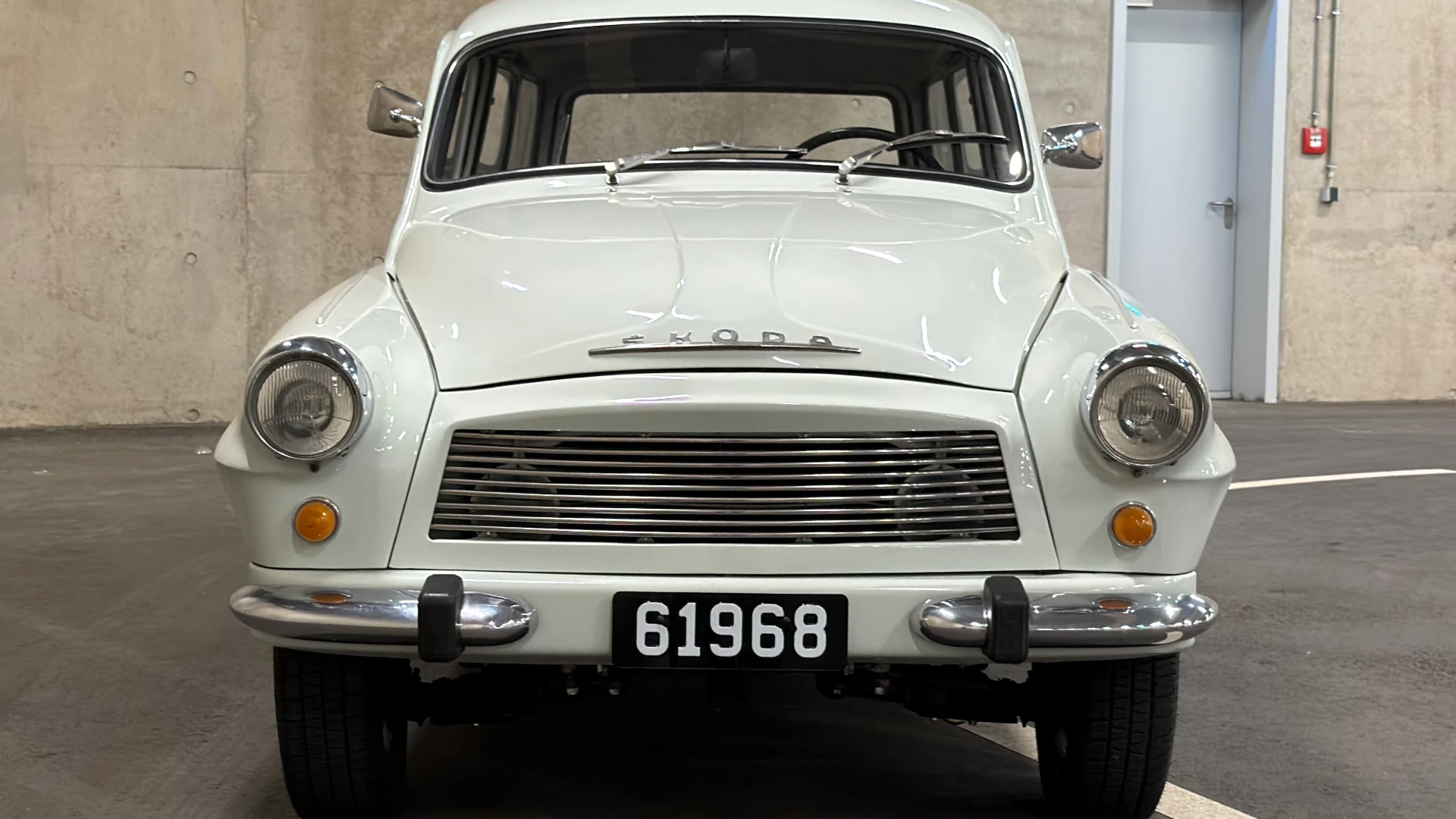
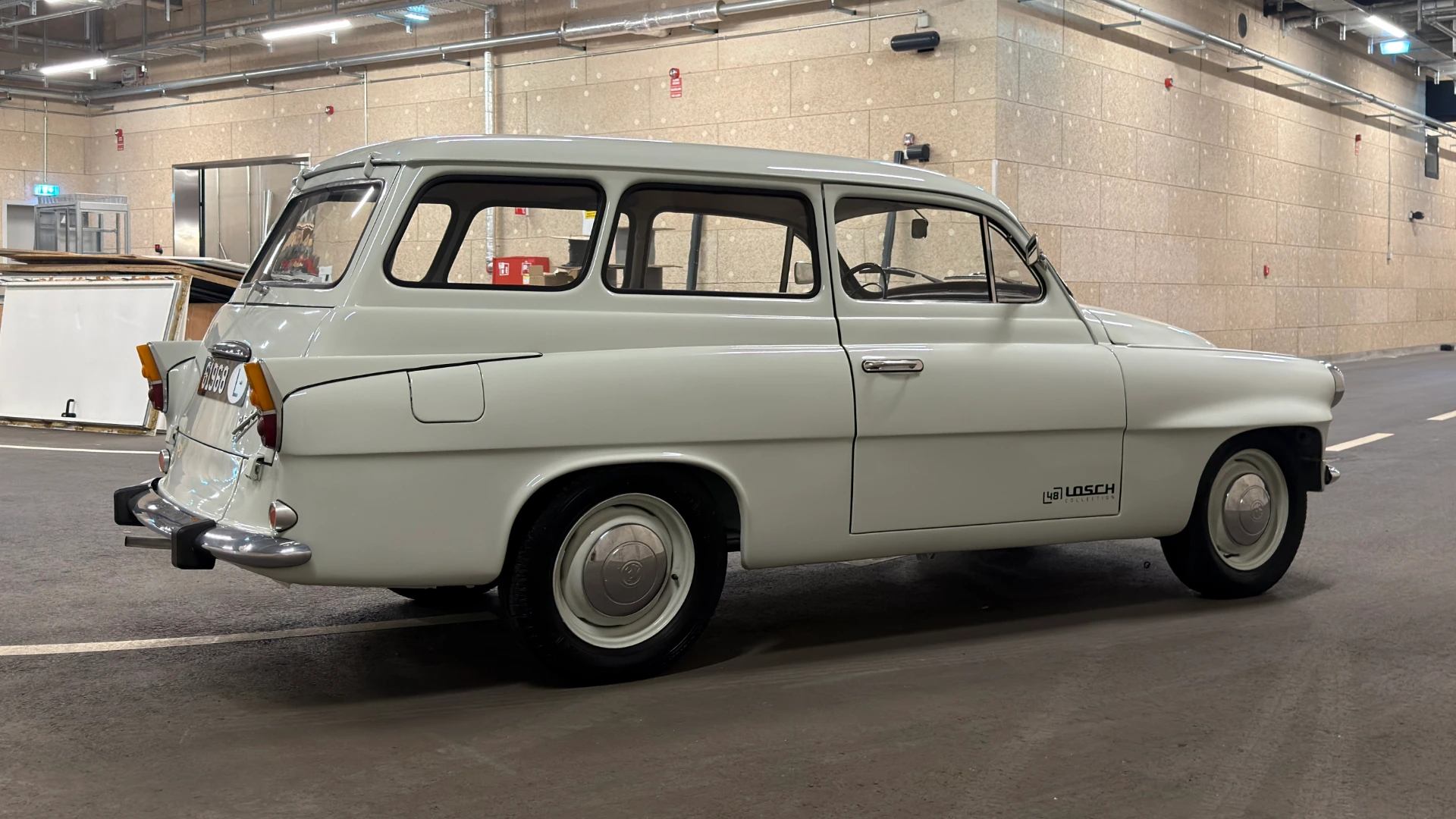
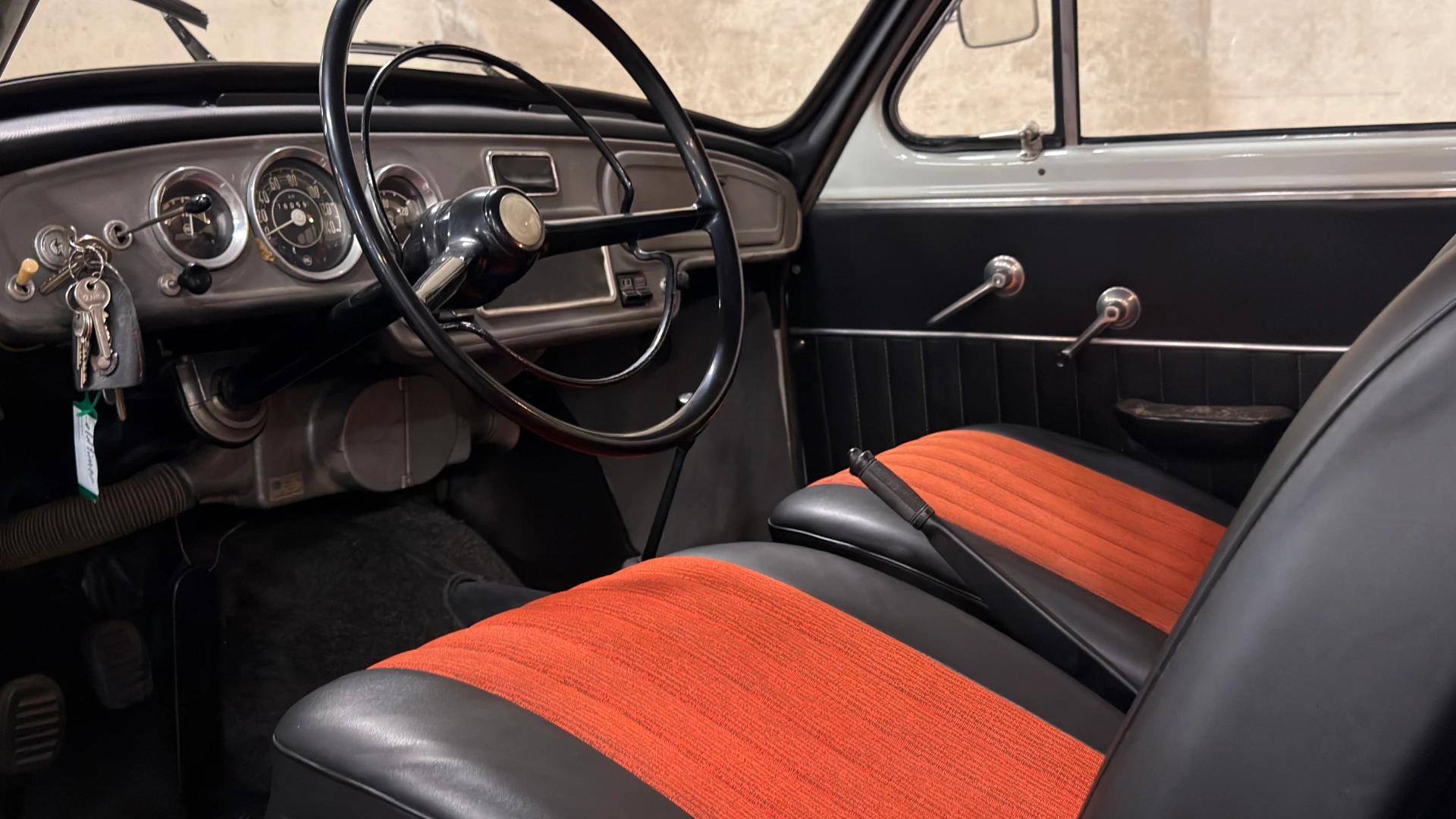
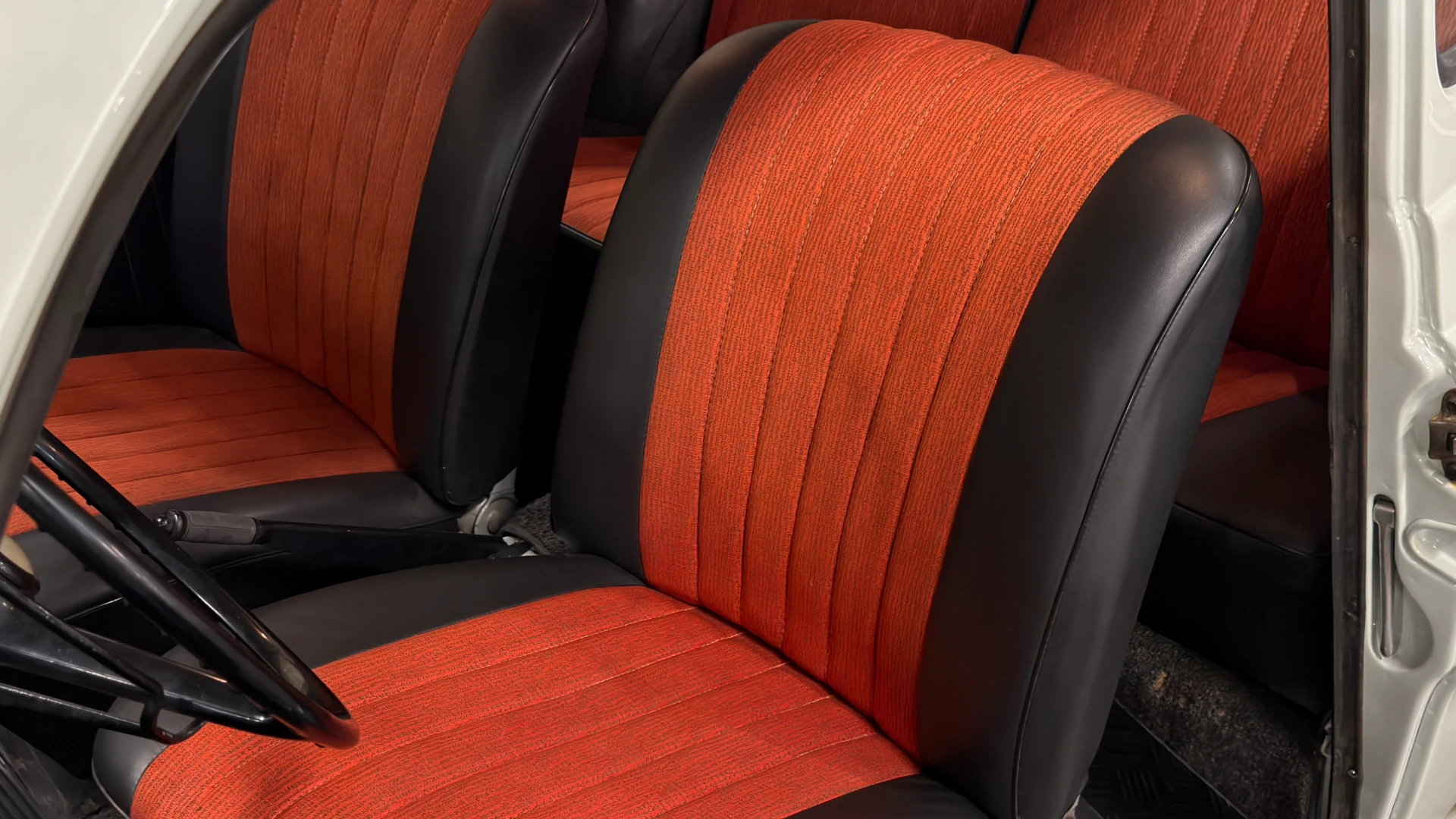
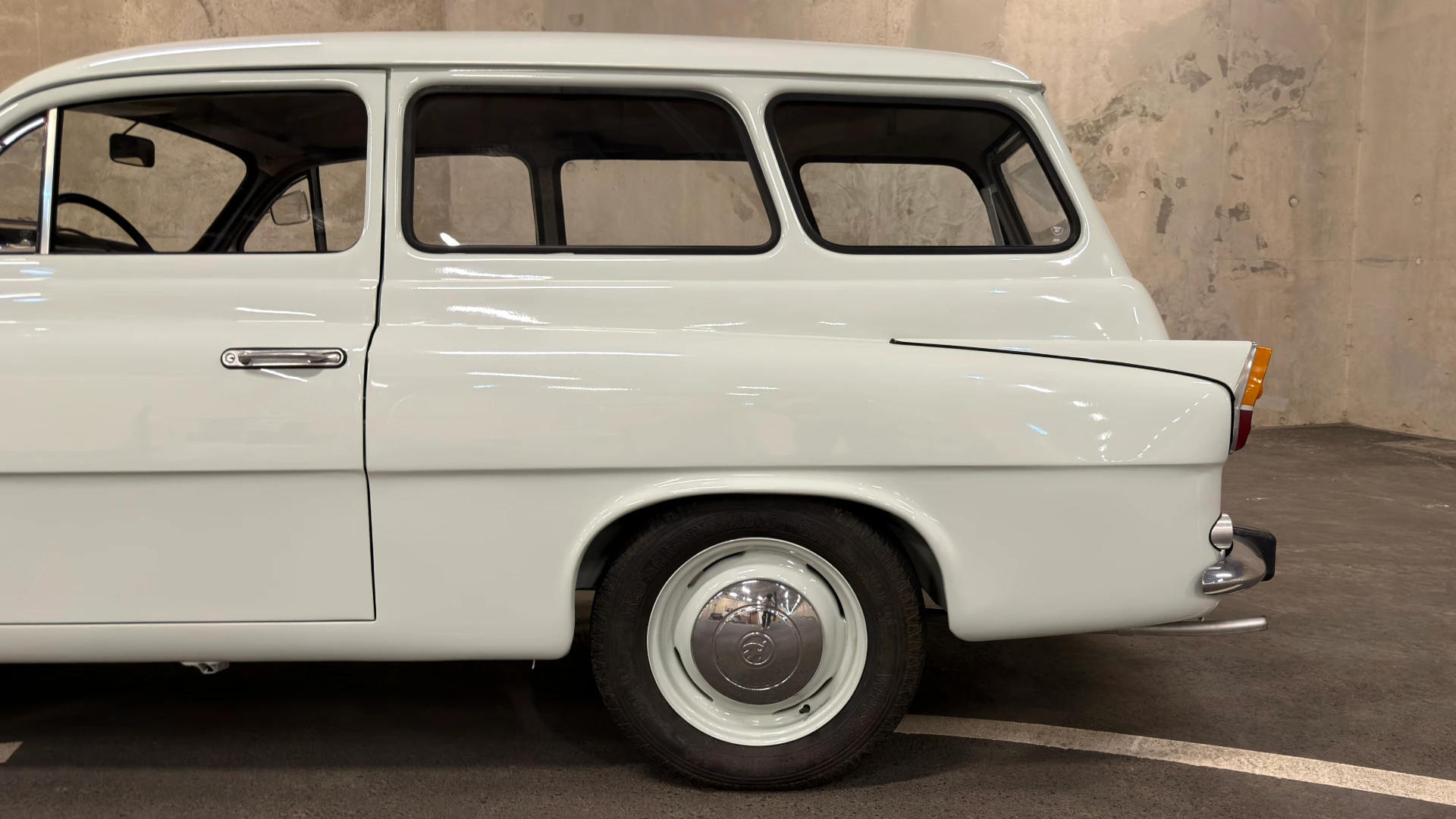
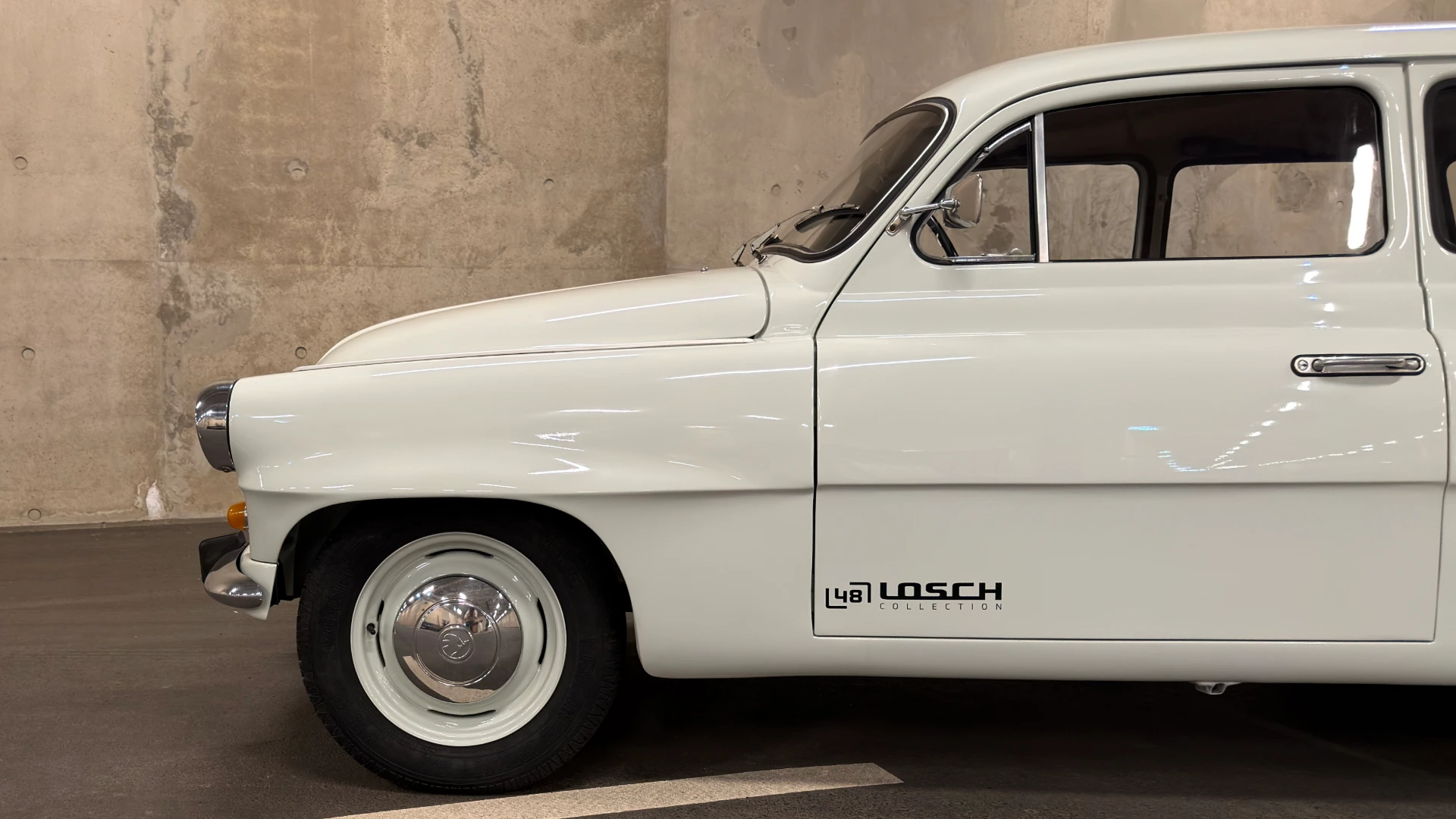
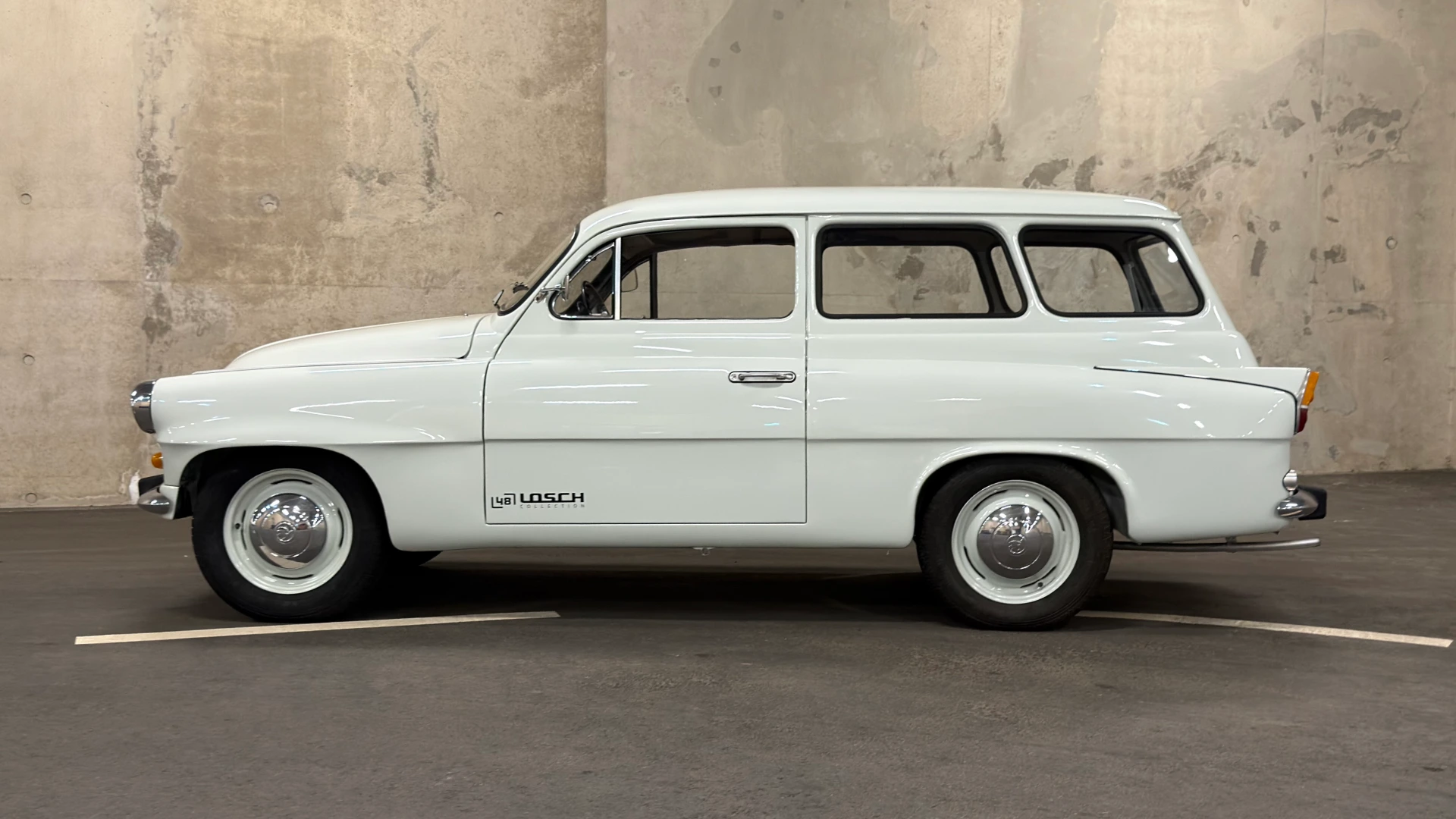
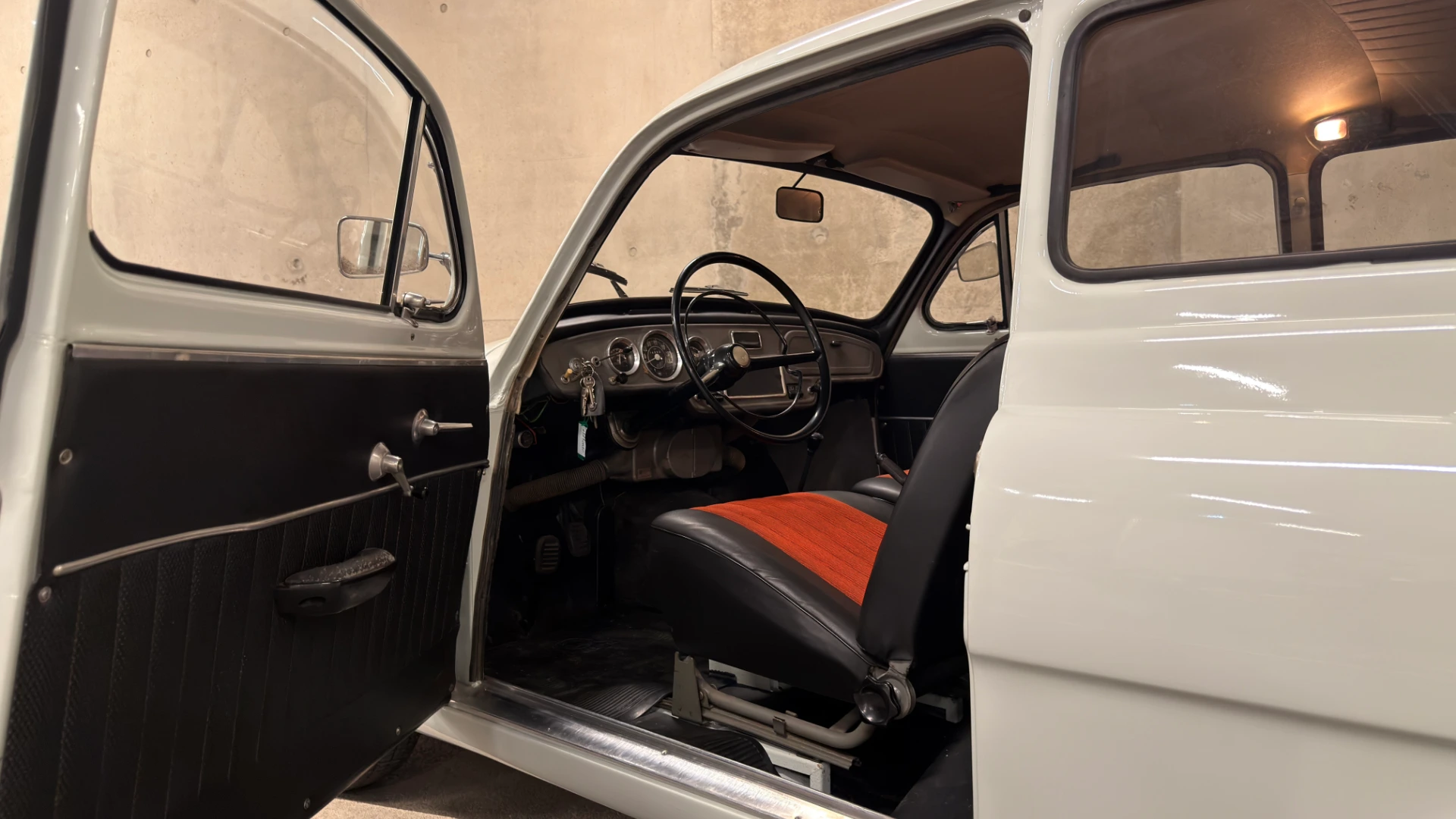
The design of the Octavia Combi was functional and sleek. With its three doors, robust body and practical interior, it perfectly met the needs of families in the Eastern Bloc: both utility vehicle and everyday car.
Typical features:
• Straightforward and sober style
• Large rear tailgate for easy loading
• Very high functionality: Customers mainly praised the large trunk and reliability
Contemporary testimonies evoke a very upright driving position, a large steering wheel and simple but well thought out ergonomics.
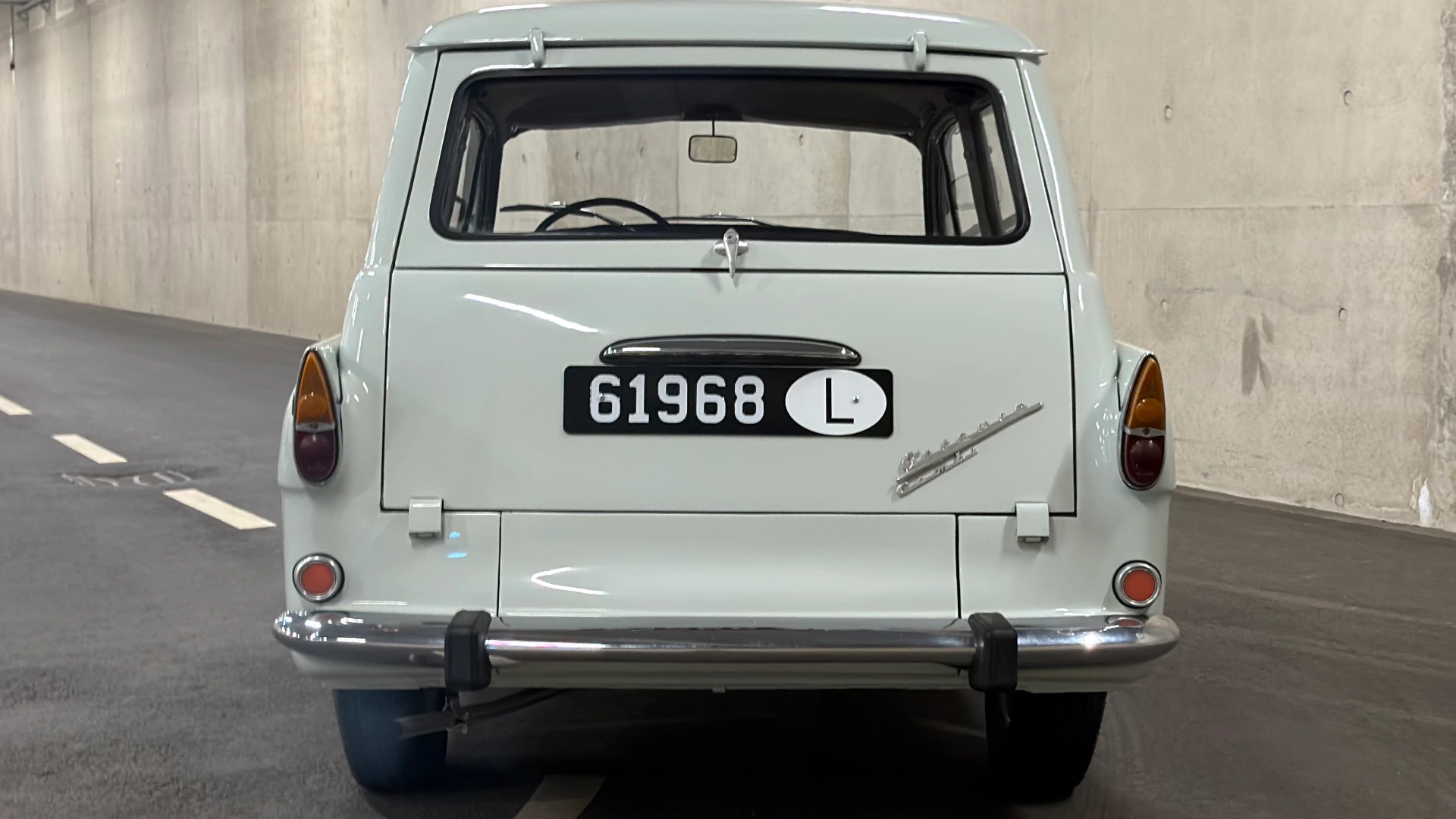
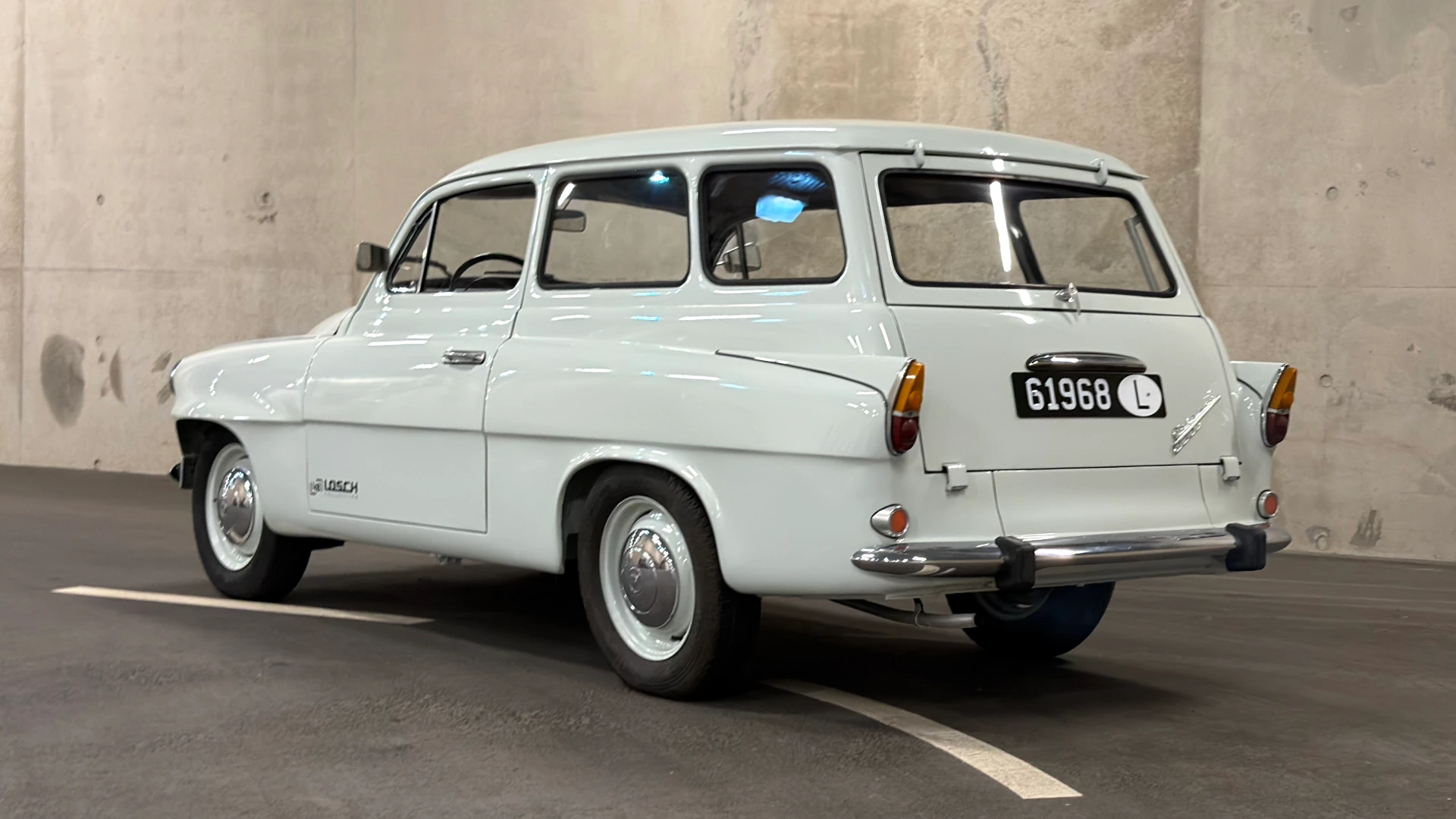
The Octavia Combi on the road (vintage impressions)
A 1968 test drive described the car as "enduring, reliable and surprisingly lively", despite only 47 hp. Thegearbox took some time to get used to – not least because of theunusual pattern – but thanks to its reduced weightof around 940 kg, the vehiclewas surprisingly easy to handle.
The 1.2-liter engine was reputed to be durable, even though the choke often had to be used in the morning. The suspension was described as "veryfirm", a necessity given the state of the roads at the time.
Significance of the 1968 model year
The year 1968 was one of the last production phases of the first generation of the Octavia – a period when the model was technically complete.
The vehicles of those years benefited from several improvements:
• Better assembly quality
• Reliable OHV Engines
• Good supply of spare parts
• Stable and proven body
As the new Škoda models (1000/110) arrived in dealerships at the end of the 1960s, the Octavia Combi gradually became a popular utility model for families, craftsmen and farms.
After 1971, the Combi version disappeared from the Škoda catalogue – the name "Octavia" did not reappear until decades later, with the modern Volkswagenera.
Conclusion
The 1968 Škoda Octavia Combi is a typical representative of the Eastern European automobile: robust, simple, practical and durable.
It offers an authentic glimpse into a time when cars had to be functional above all, the notion of luxury being secondary. Today, it is one of the rare and endearing classics from the former Eastern Bloc.