
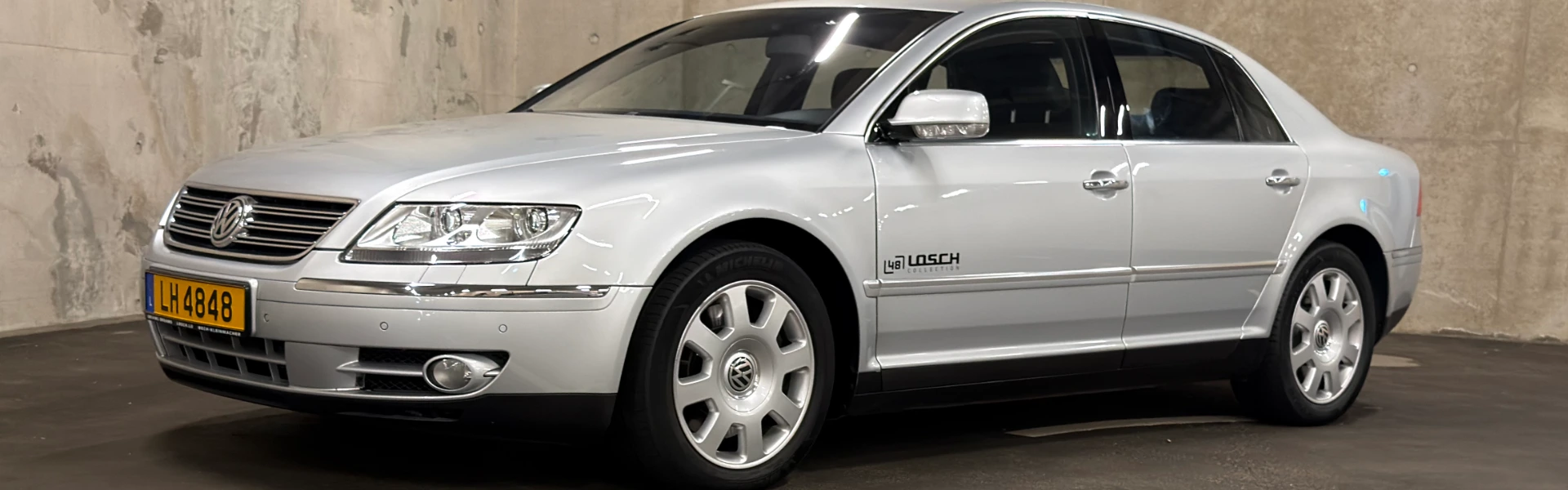
VW Phaeton W12
Introduction
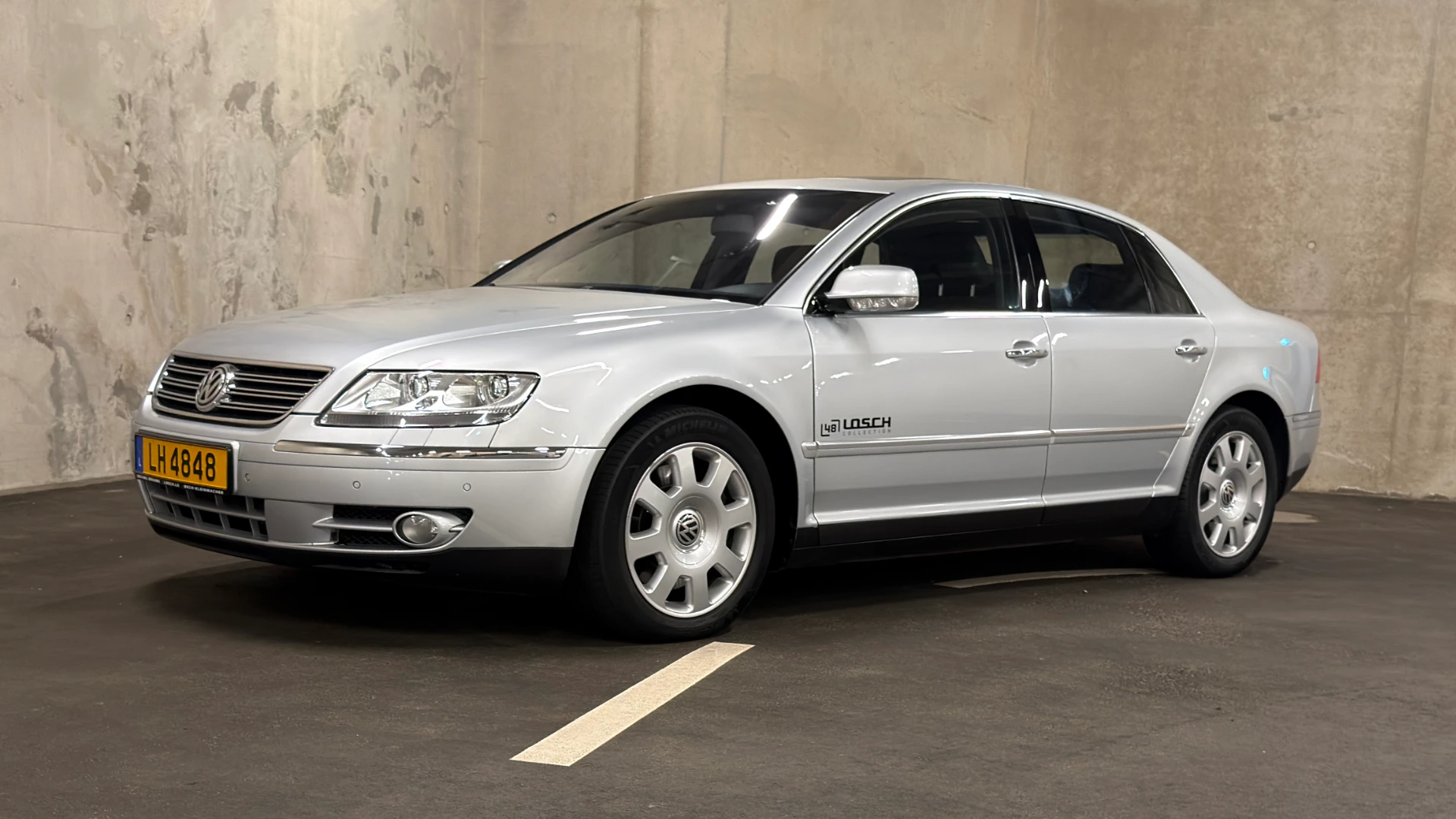
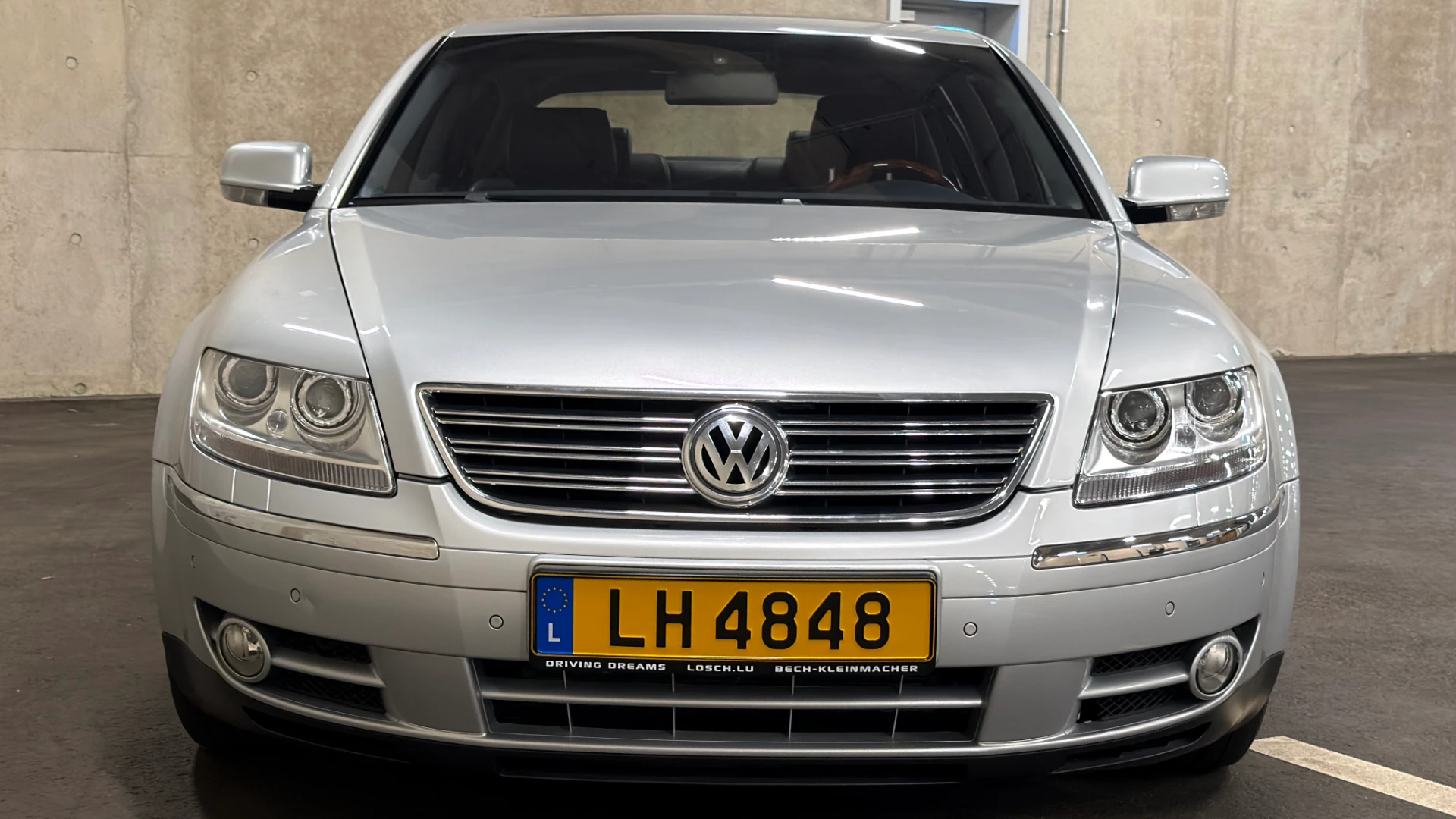
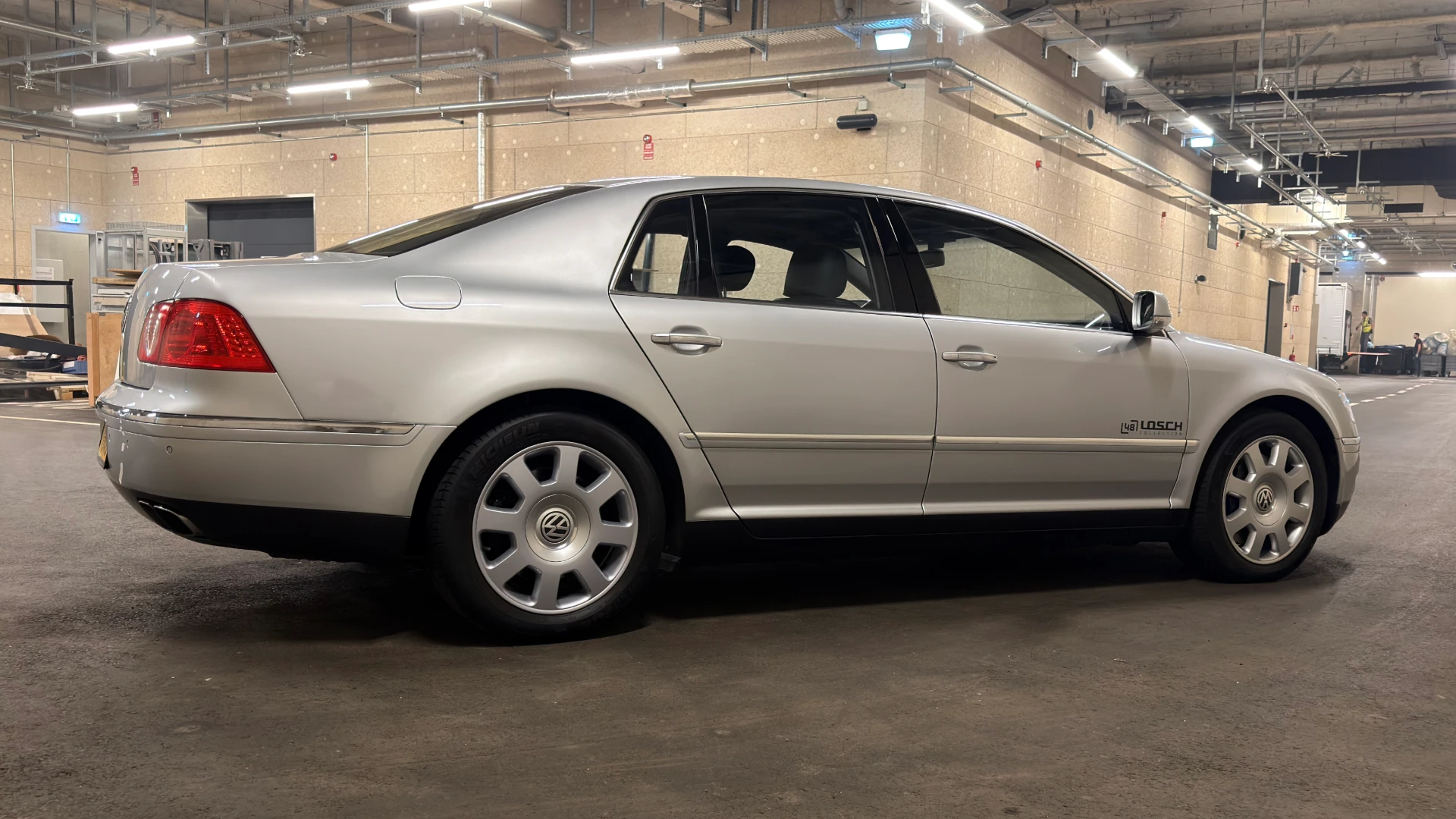
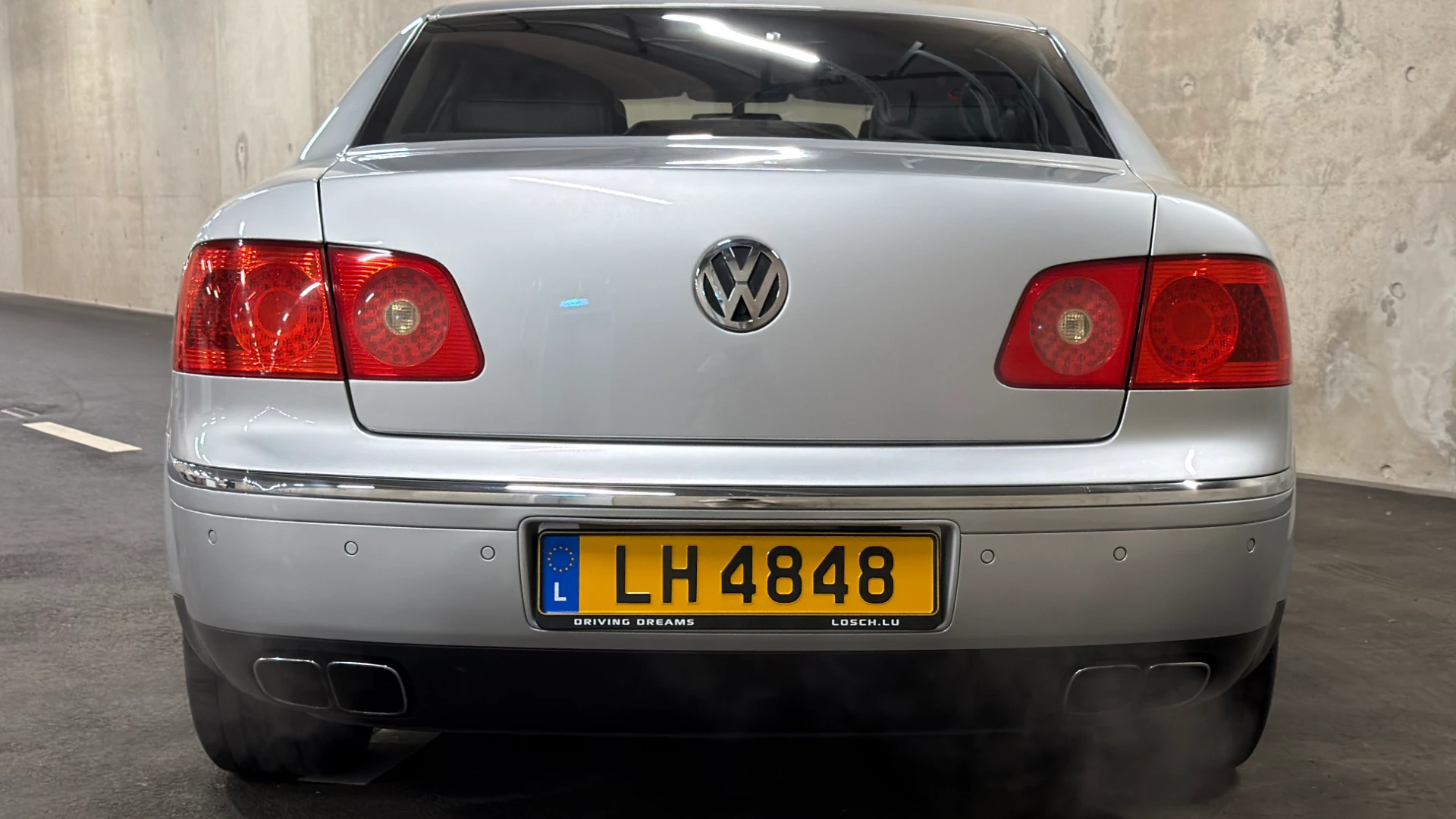
The VW Phaeton W12 is one of the most ambitious and technically demanding projects in Volkswagen's history.
Designed as a luxury sedan in the upper segment, it was intended to prove that Volkswagen could not only build mass-produced vehicles, but also true prestige cars at the highest technological level.
Origin and concept of the Phaeton
The Phaeton was born as a prestige project of Ferdinand Piëch, then Chairman of the Board of Management of the Volkswagen Group.Piëch wanted to demonstrate that VW was able to compete directly with premium models such as:
• MercedesBenz S-Class
• BMW 7 Series
• Audi A8
To achieve this goal, Piëch set extremely high standards in terms of construction and sustainability.
Piëch's extraordinary development goals
Piëch formulated a goal that has become legendary:
The Phaeton had to be able to drive continuously at 300 km/h, at 50 °Coutside temperature, with the air conditioning set to maximum, without any loss of comfort or stability.
Although the W12 was later electronically limited to 250 km/h, this goal shows how robust and sophisticated the car had to be.
These requirements have led to:
• Exceptionally rigid chassis
• Extremely efficient cooling system
• High-end acoustic and thermal insulation
• Complex air suspension
The Phaeton had to combine luxury, longevity and high technology – without compromise.
Technical basis and engine
Platform: PL71
The VW Phaeton was based on the PL71 platform, a highly advanced luxury architecture. It was later also used and perfected by Bentley, in particular for:
• Bentley Continental GT
• Bentley Flying Spur
A clear sign of the quality and potential of this architecture.
The 6.0-liter W12 engine
The W12 engine was a Volkswagen design, technically remarkable:
• architecture: two VR6 motors assembled in a W formation
• Displacement: 6.0 liters
• Power: 420 hp (309 kW)
• standard 4Motion all-wheel drive
• 5-speed Tiptronic gearbox
This engine was characterised by its smooth running, smooth revving and impressive power reserves, which were mitigated only by the electronic throttling.
Premiere and commercial launch
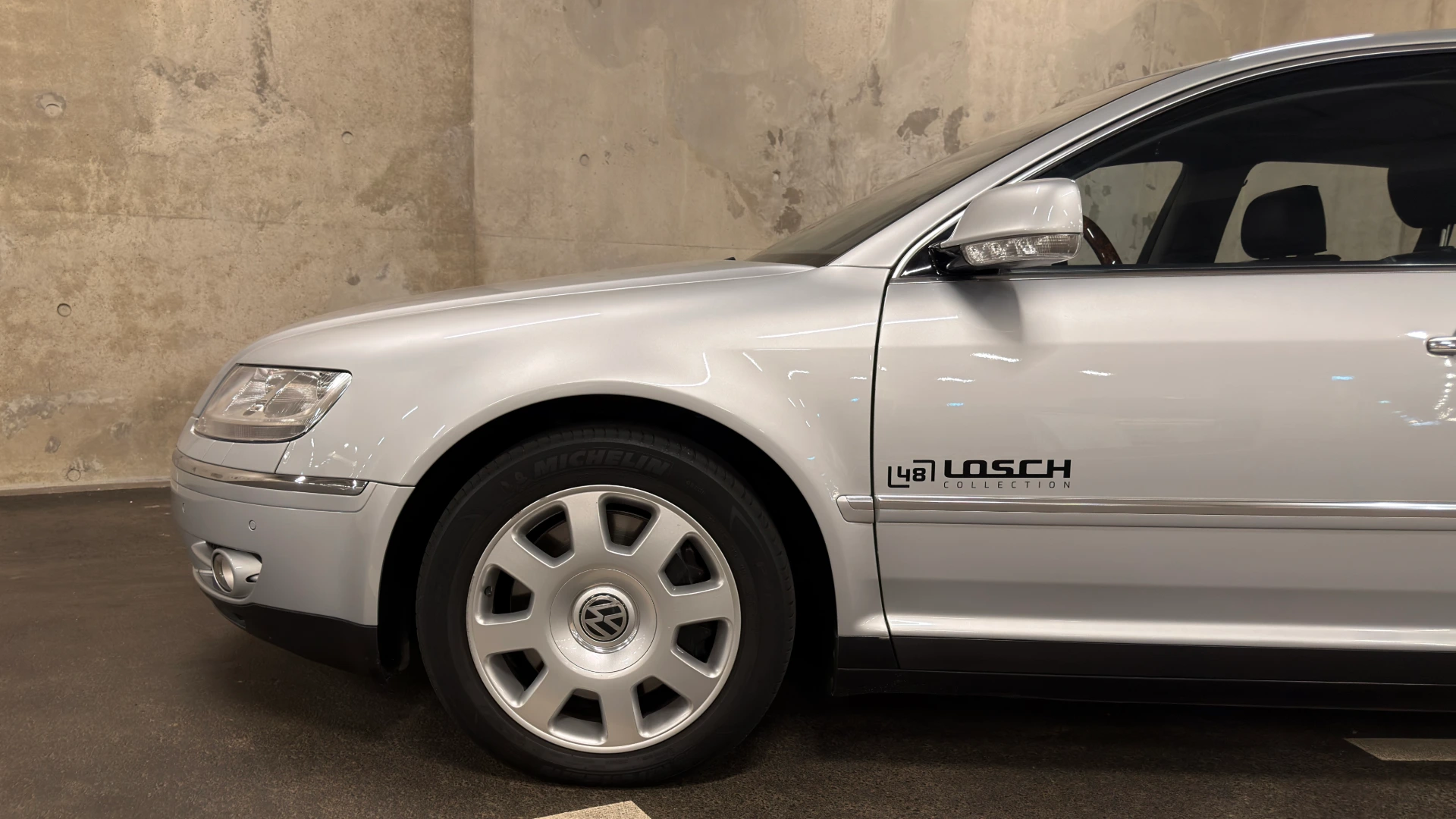
The VW Phaeton was officially presented in 2002 at the Geneva Motor Show. It marks Volkswagen's entry into the ultra-luxury segment, an area previously reserved for the group's brands such as Audi or Bentley.
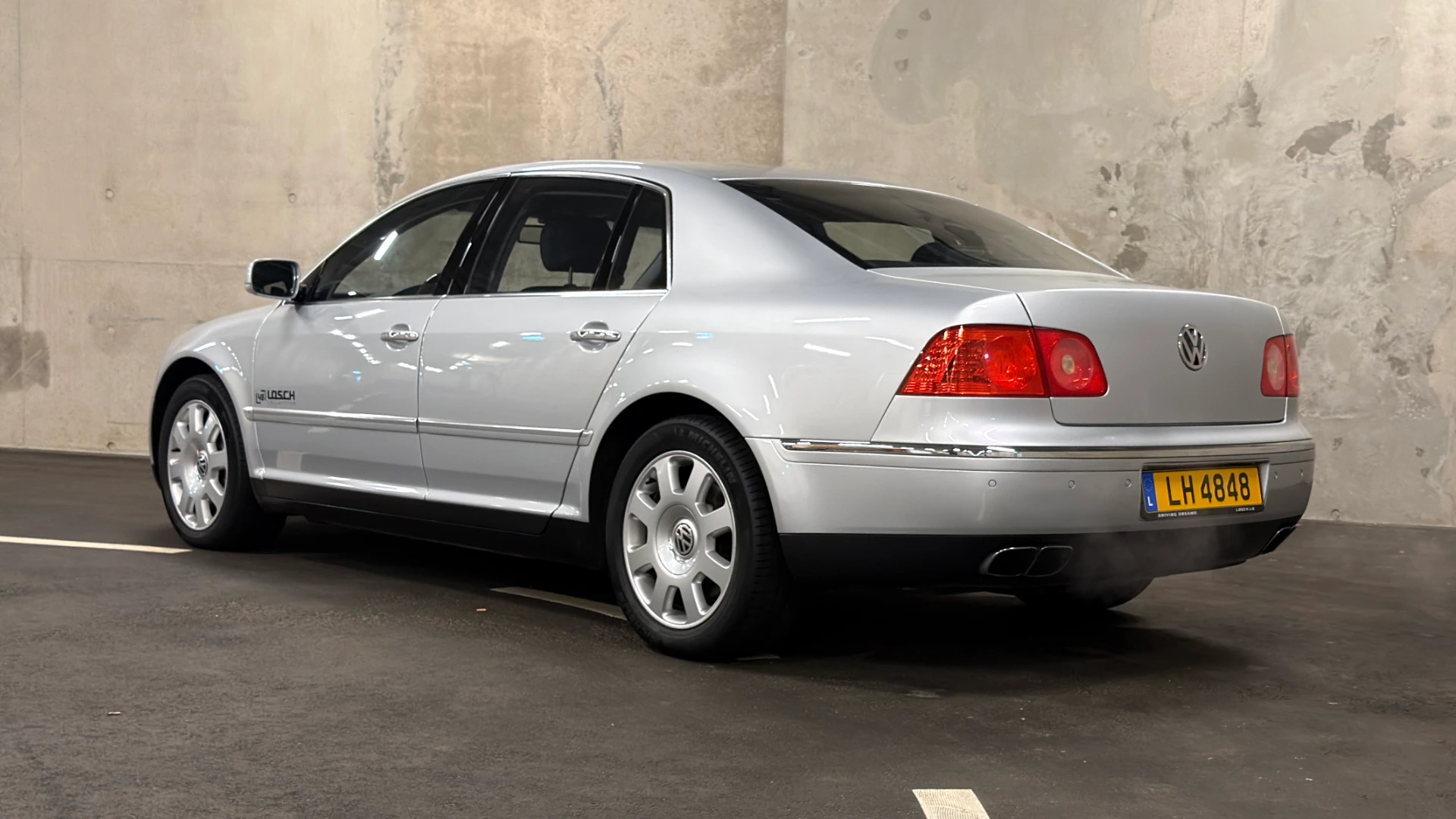
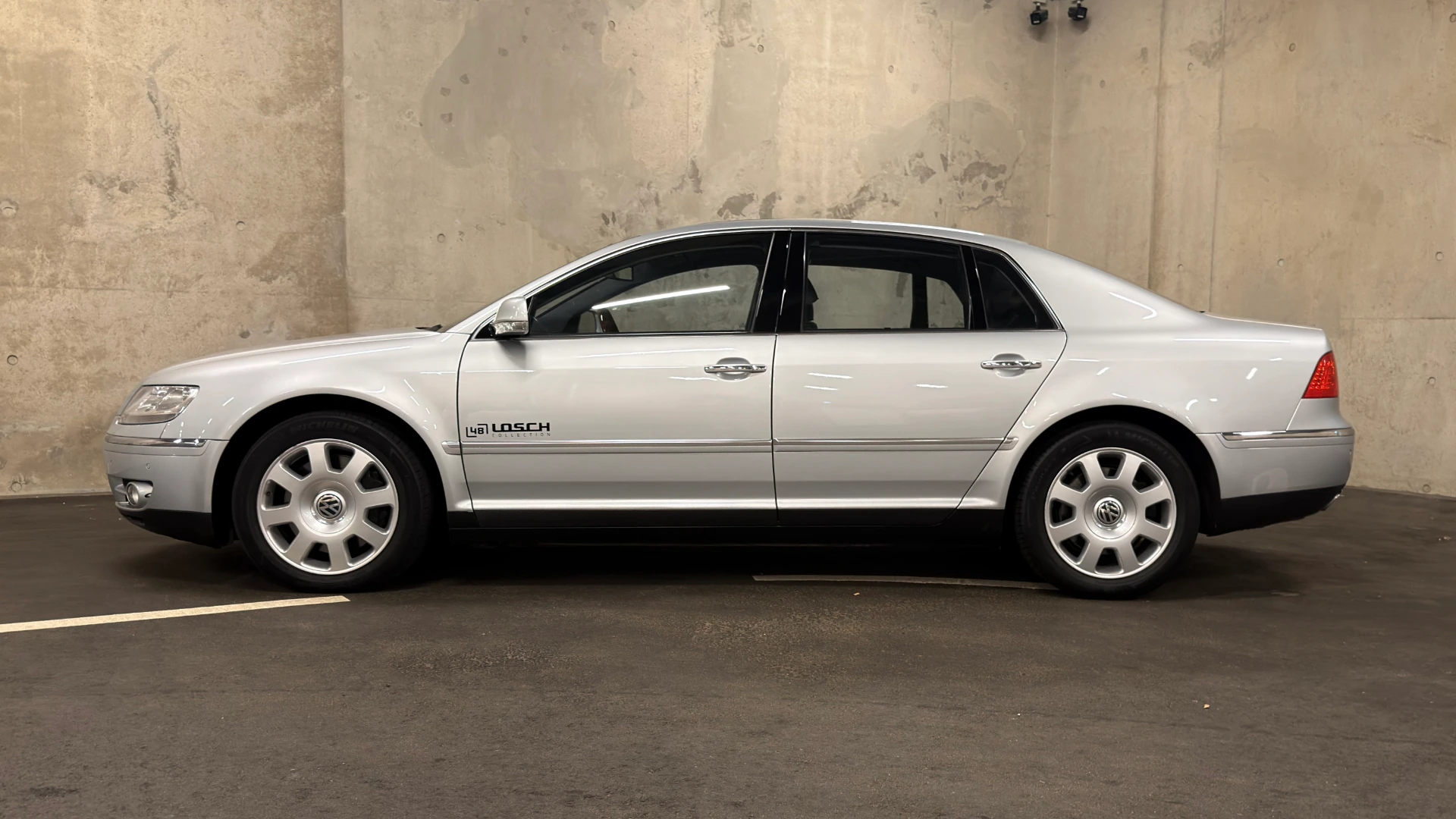
From its presentation, the Phaeton impresses with:
• its technical perfection
• Its understated elegance
• the exceptional quality of its materials
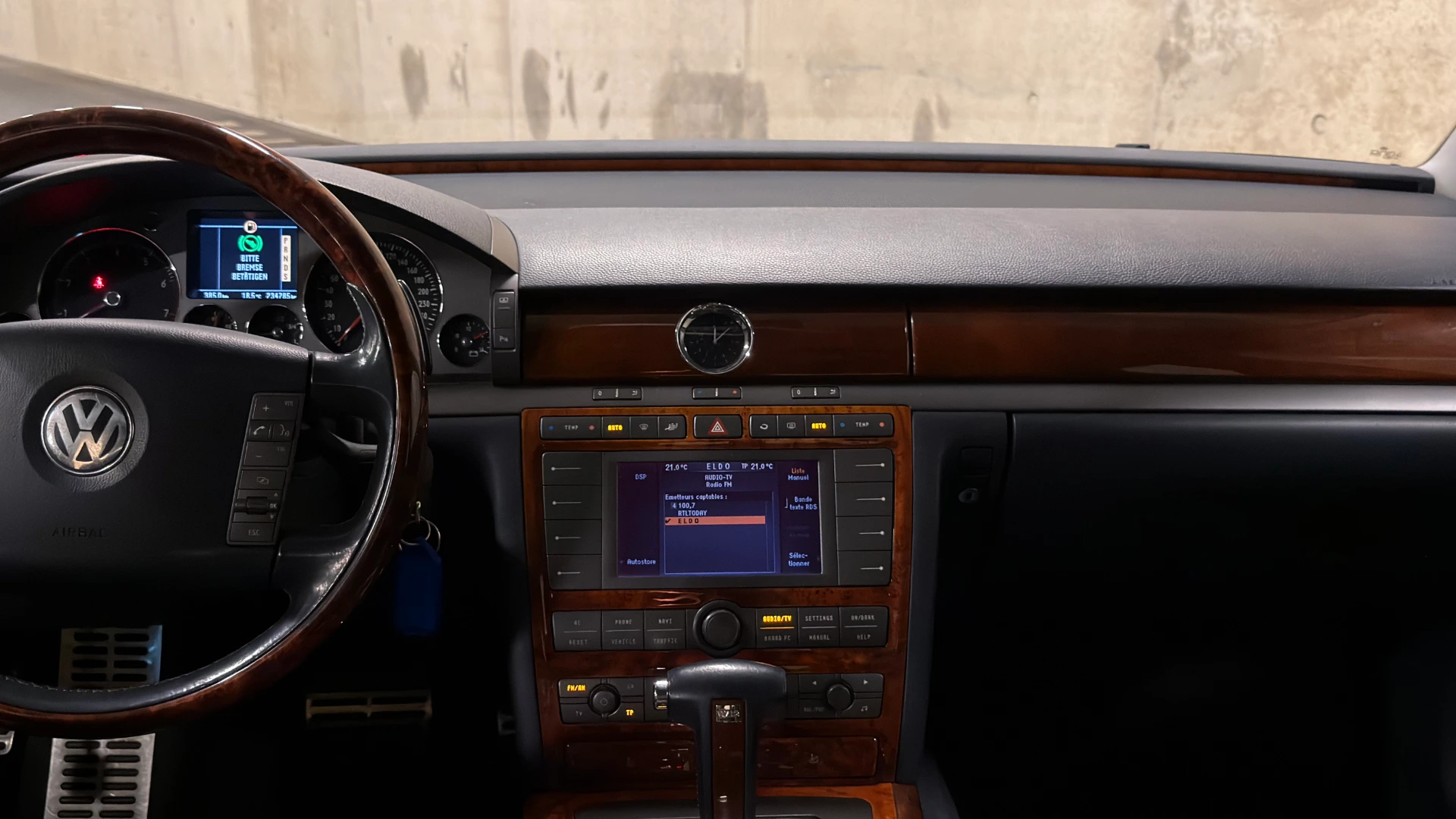
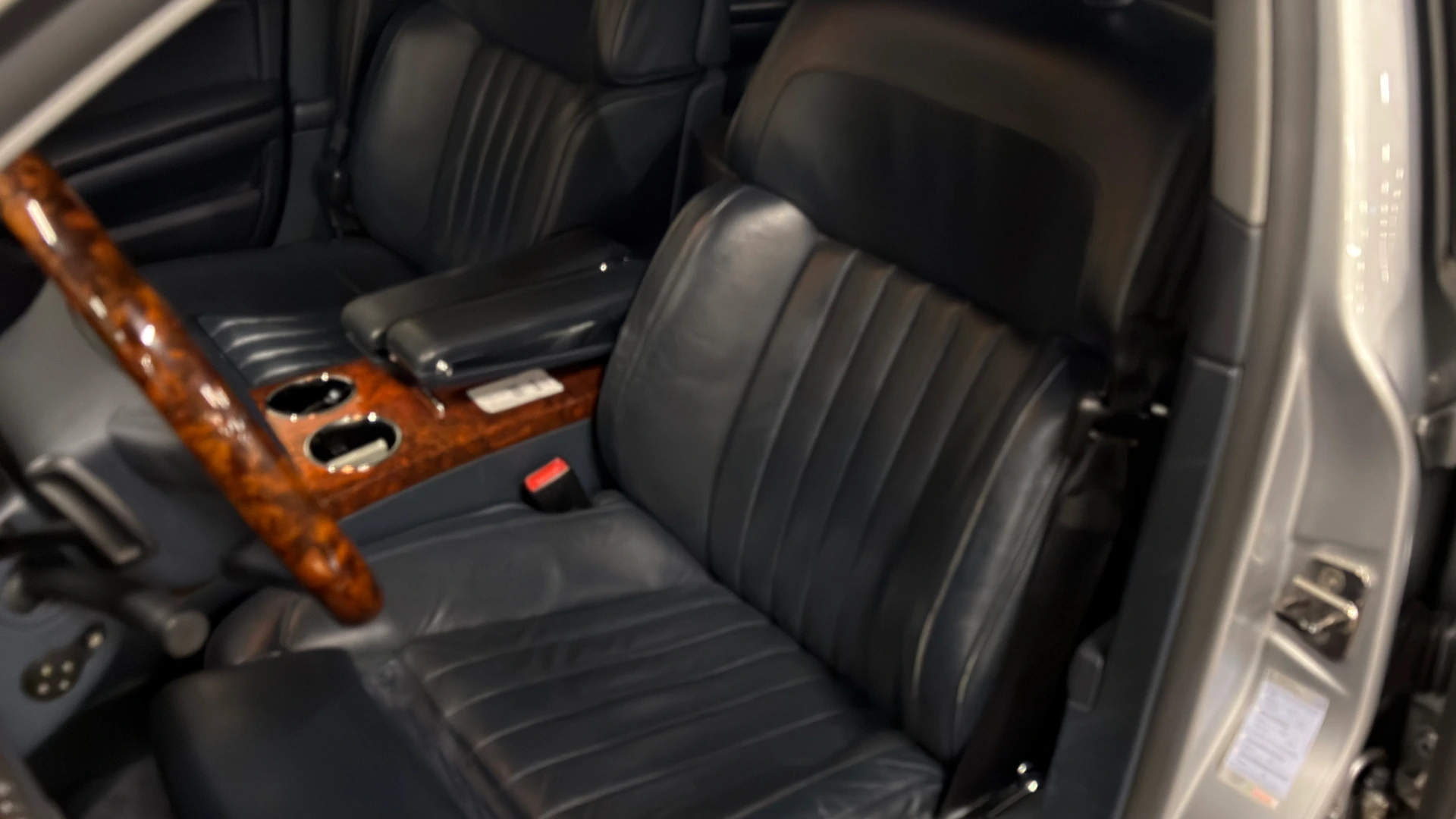
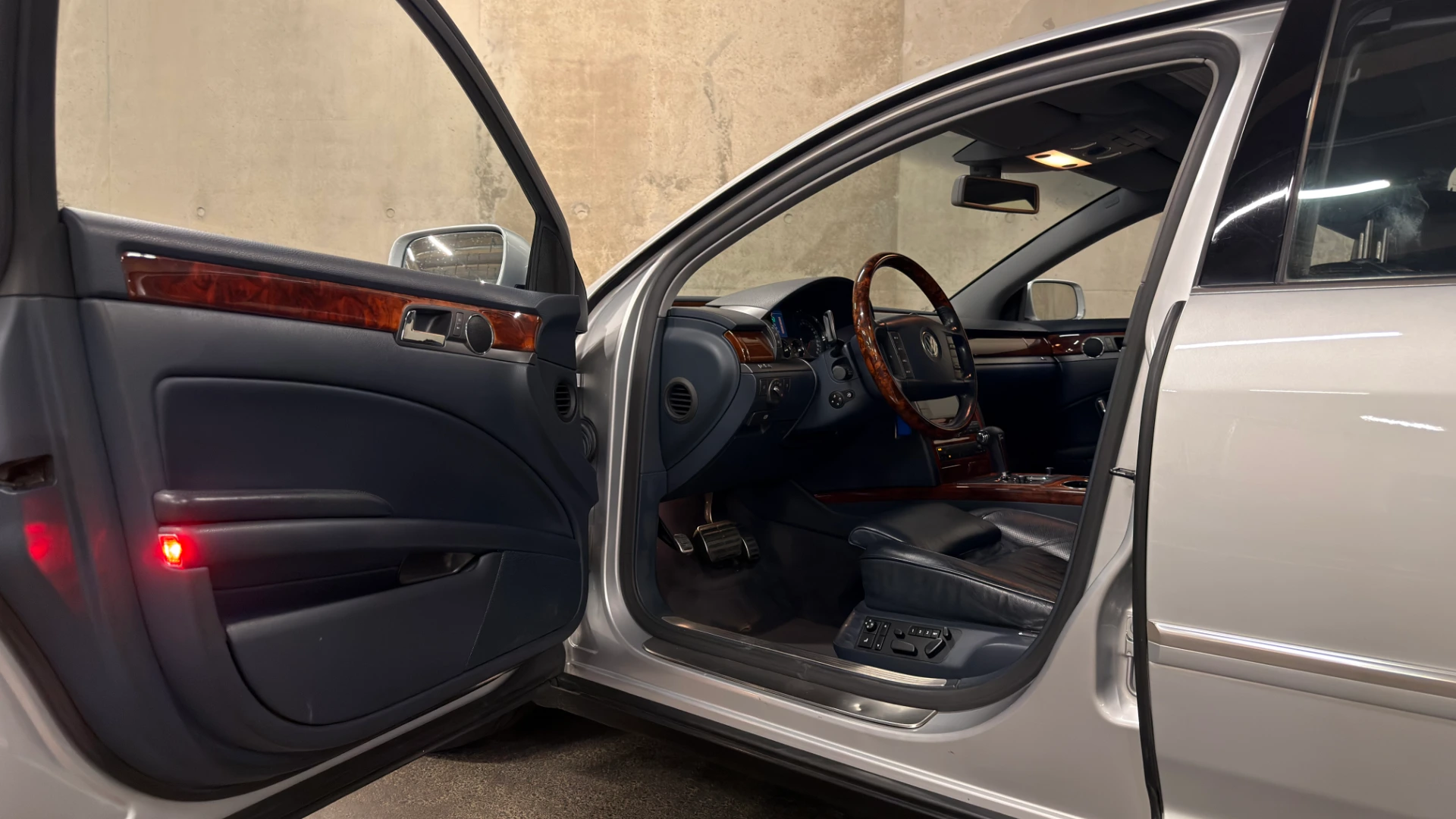
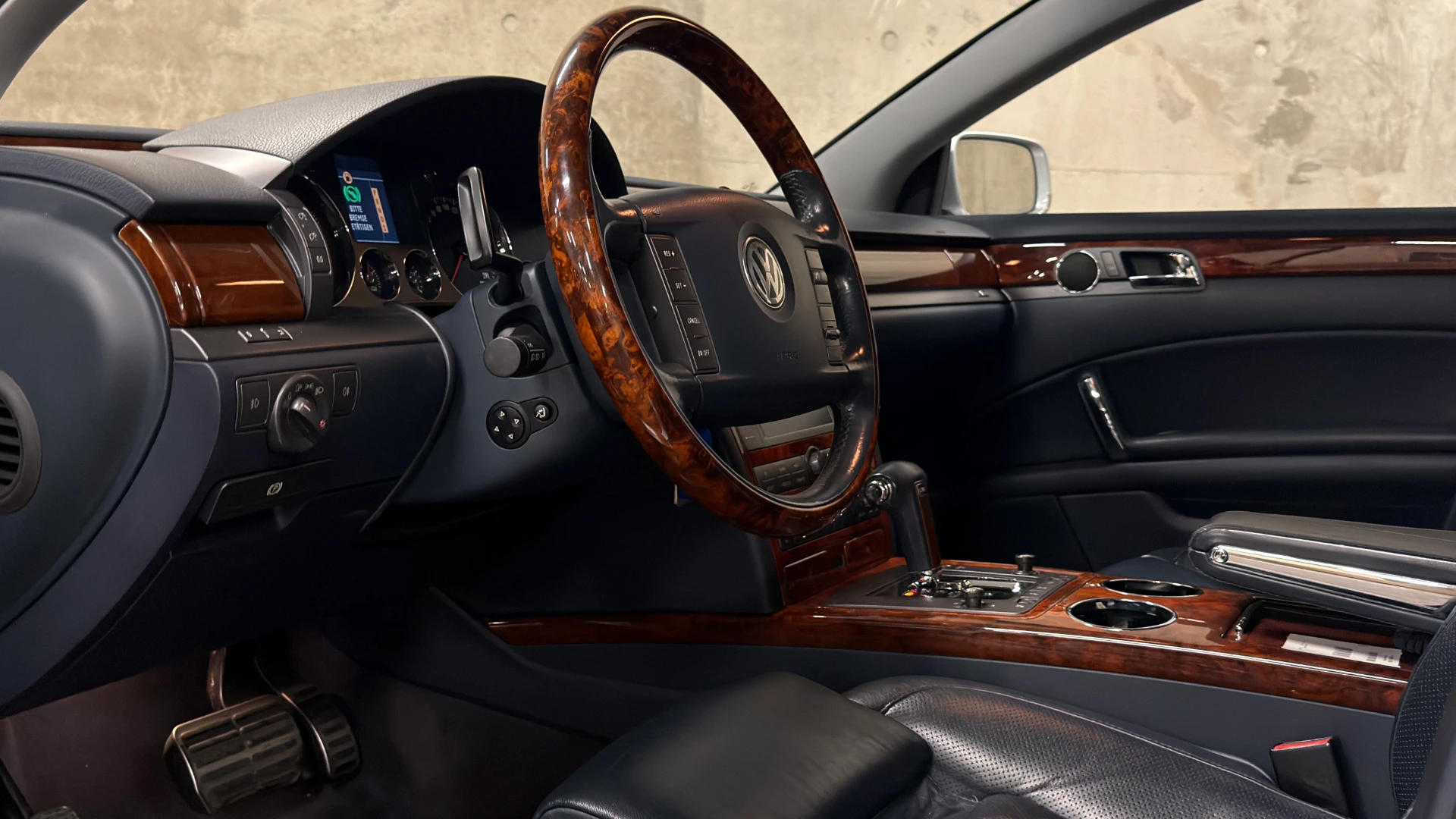
The interior in particular sets new standards.
Equipment & Technology
At the time of its launch, the Phaeton W12 offered remarkable equipment, even in the large luxury sedan category:
• Air suspension with adaptive damping system
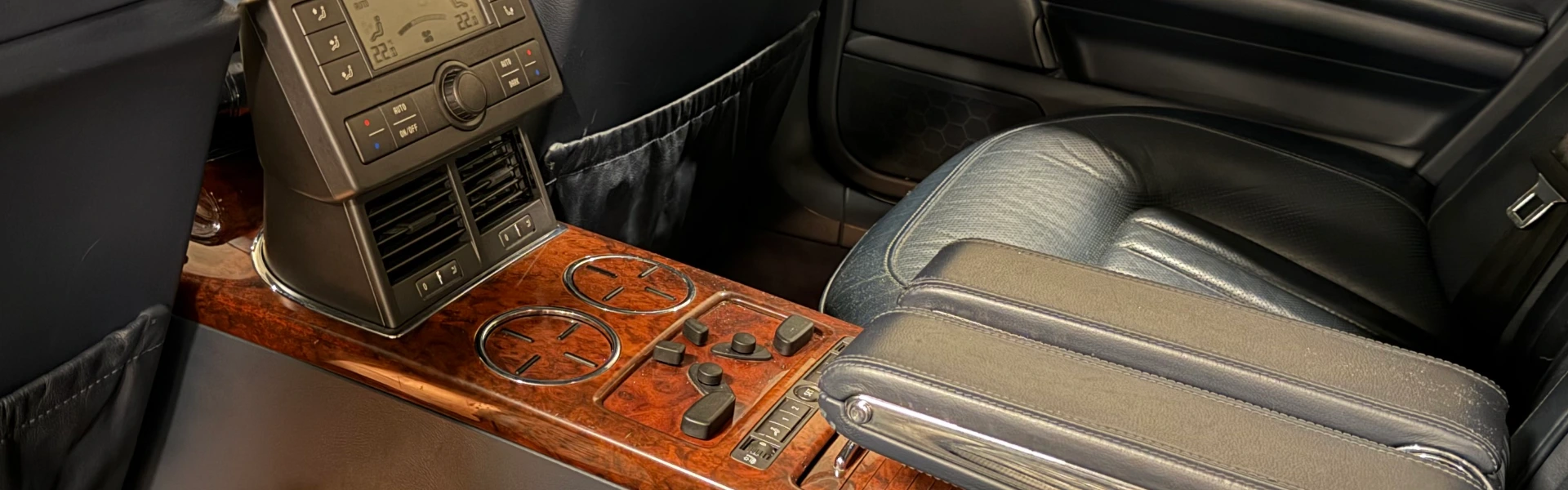
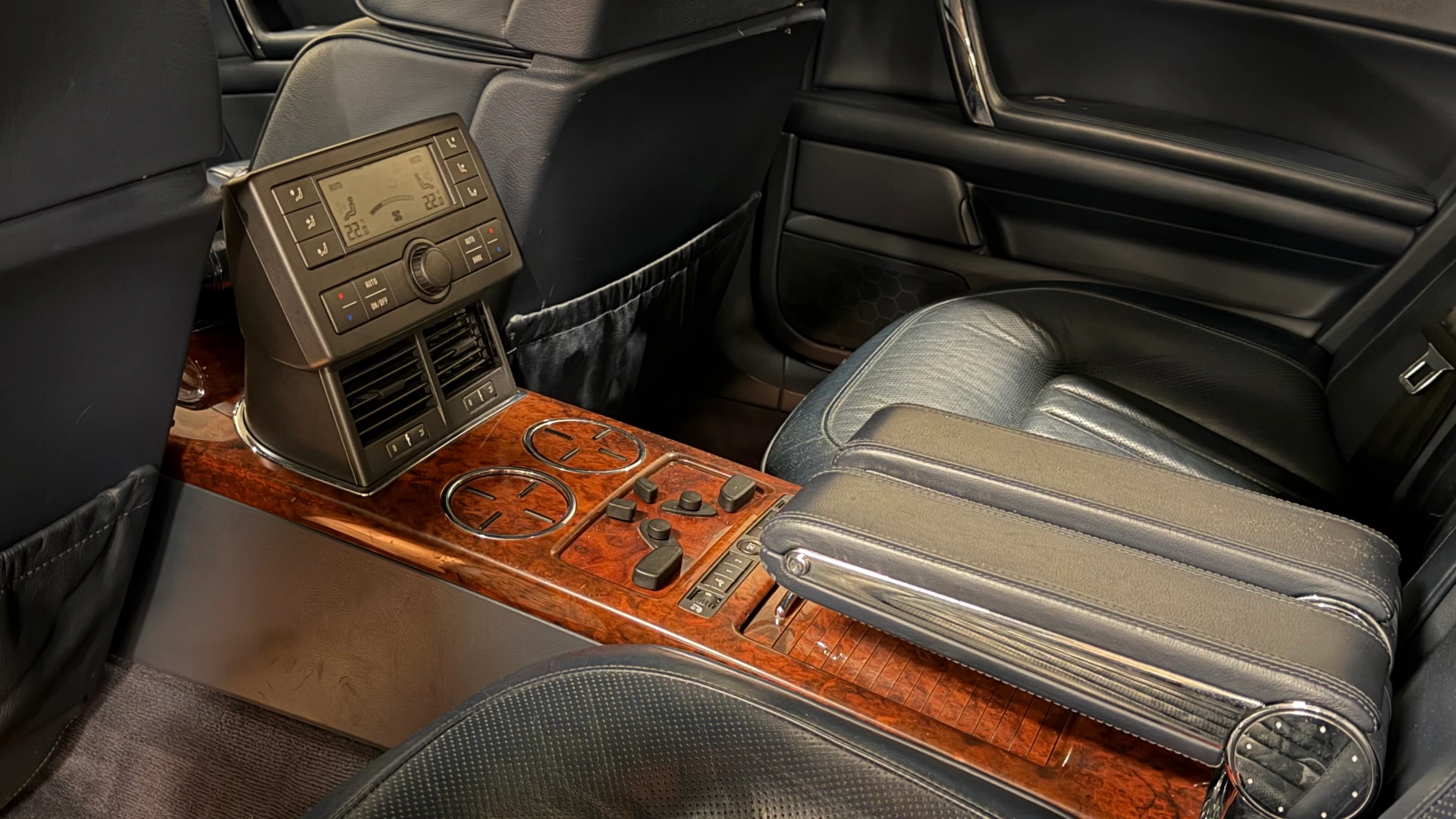
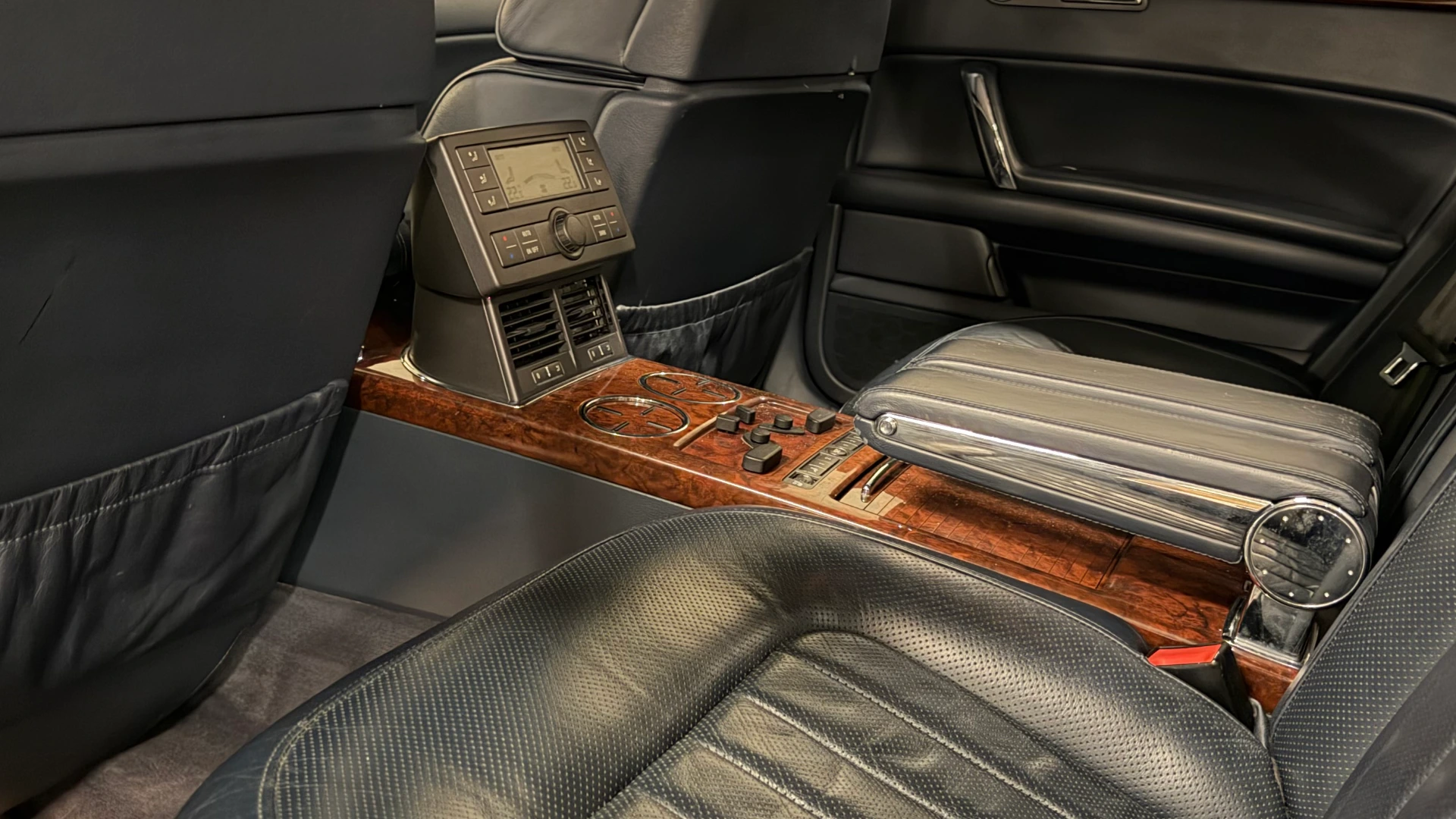
• Four-zone air conditioning, one of the most complex of its time
• Genuine leather, precious wood and aluminium
• Advanced driver assistance systems
• exceptional interior silence ("acoustic luxury")
In Germany, the price of the W12 version exceeded €100,000, putting it directly against the established premium sedans.
Production in the "GläserneManufaktur"
The Phaeton was built exclusively in the transparent factory in Dresden, the Gläserne Manufaktur. This futuristic factory, with its glass façade, wooden floors and factory atmosphere, symbolized:
• Accuracy
• handicrafts
• Superior quality
• transparency of the manufacturing process
Customers could even come and watch their own vehicle being built live.
Importance & cult status
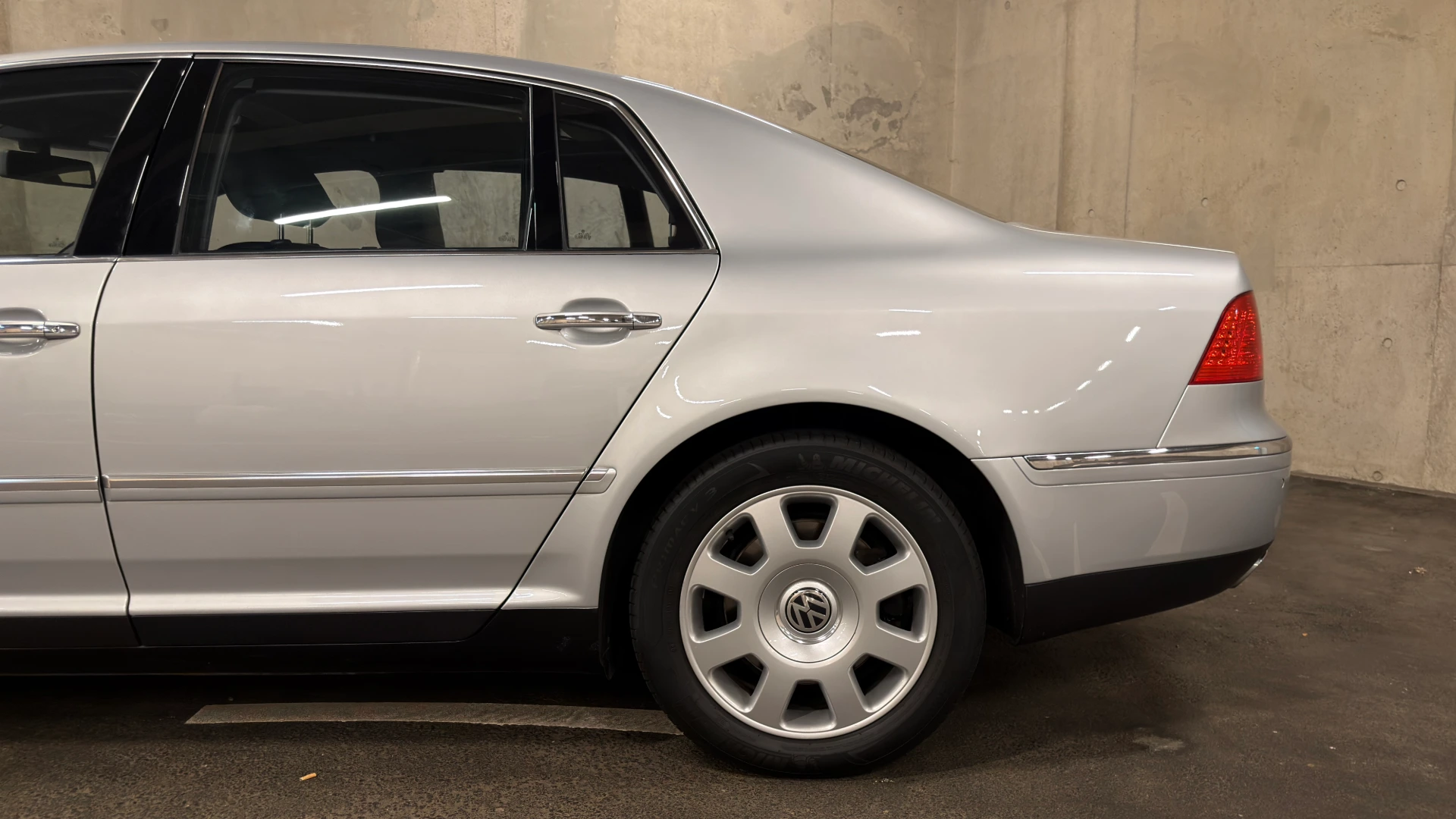
Although the Phaeton was never a great commercial success, the W12 is now a highly sought-after collector's car. Its advantages:
• Technical oversizing
• Exceptional comfort
• High-end finish
• limited production of W12 versions
• Historical value thanks to its unique role in Volkswagen's history
The Phaeton is considered the most ambitious automotive project Volkswagen has ever realized.