
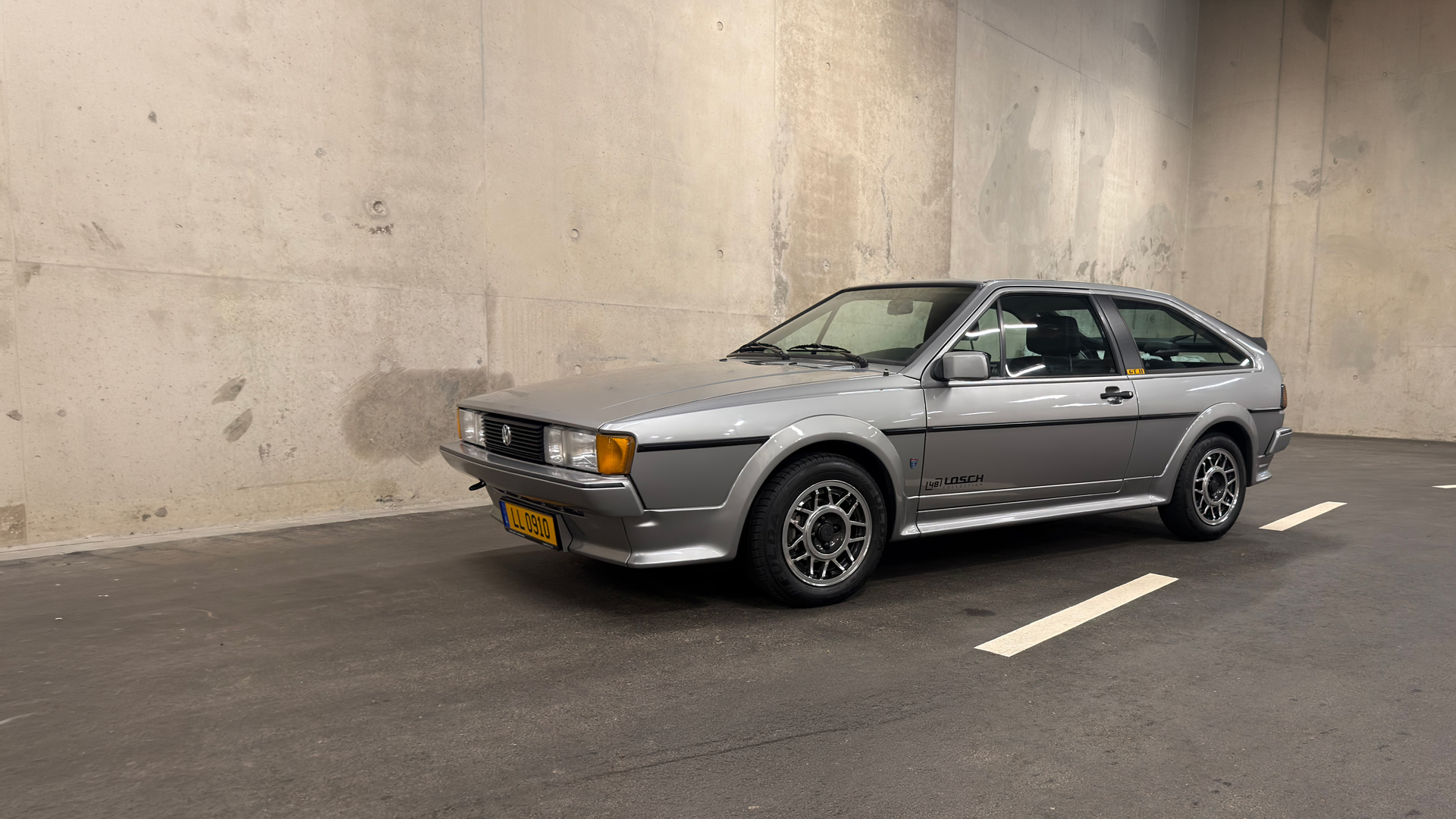
VW Scirocco GT II
The Volkswagen Scirocco GT II of the 1991 model year belongs to the second and last generation of the classic Scirocco (type 53B), produced from 1981 to 1992.
Over the years, the model evolved from an angular sports coupé from the 1970s to a mature coupé that was perfectly usable in everyday use, while retaining a dynamic character.
The first 1990s marked the peak of the technical and stylistic development of this generation, before production stopped in 1992, ending the era of the classic Scirocco.
The development of the second generation (type 53B)
The second generation of the Scirocco was introduced in May 1981 and differed significantly from its predecessor. While the Scirocco I, designed by Giorgetto Giugiaro, still had a very angular style, Volkswagen opted for a softer and more harmonious design for the Scirocco II.
Although the Golf I platform was retained, the vehicle became longer, wider and, above all, more aerodynamic. This improvement in efficiency was a response to the challenges of the 1980s: reducing consumption and increasing versatility.
Typical features of the Scirocco II included:
• More rounded lines
• a wider beltline
• A much more spacious interior
The optimised roof profile offered more headroom at the front and rear – a noticeable advantage over the first generation.
The influence of the Scirocco II's design on later models such as the Golf II shows the importance of this concept at Volkswagen.
Even after the presentation of the Corrado in 1988, the Scirocco II remained in the catalog as a more affordable sports coupe.
Volkswagen decided to produce both models in parallel, with the Corrado positioned as more sophisticated, but not as its direct replacement. The Scirocco II remained in production until 1992.
The role of the GT II in the range
From the end of the 1980s, the GT II became one of the most popular models in the Scirocco II range.Between 1989 and 1992, it was one of the most attractive versions thanks to its sporty equipment, dynamic design and excellent value for money.
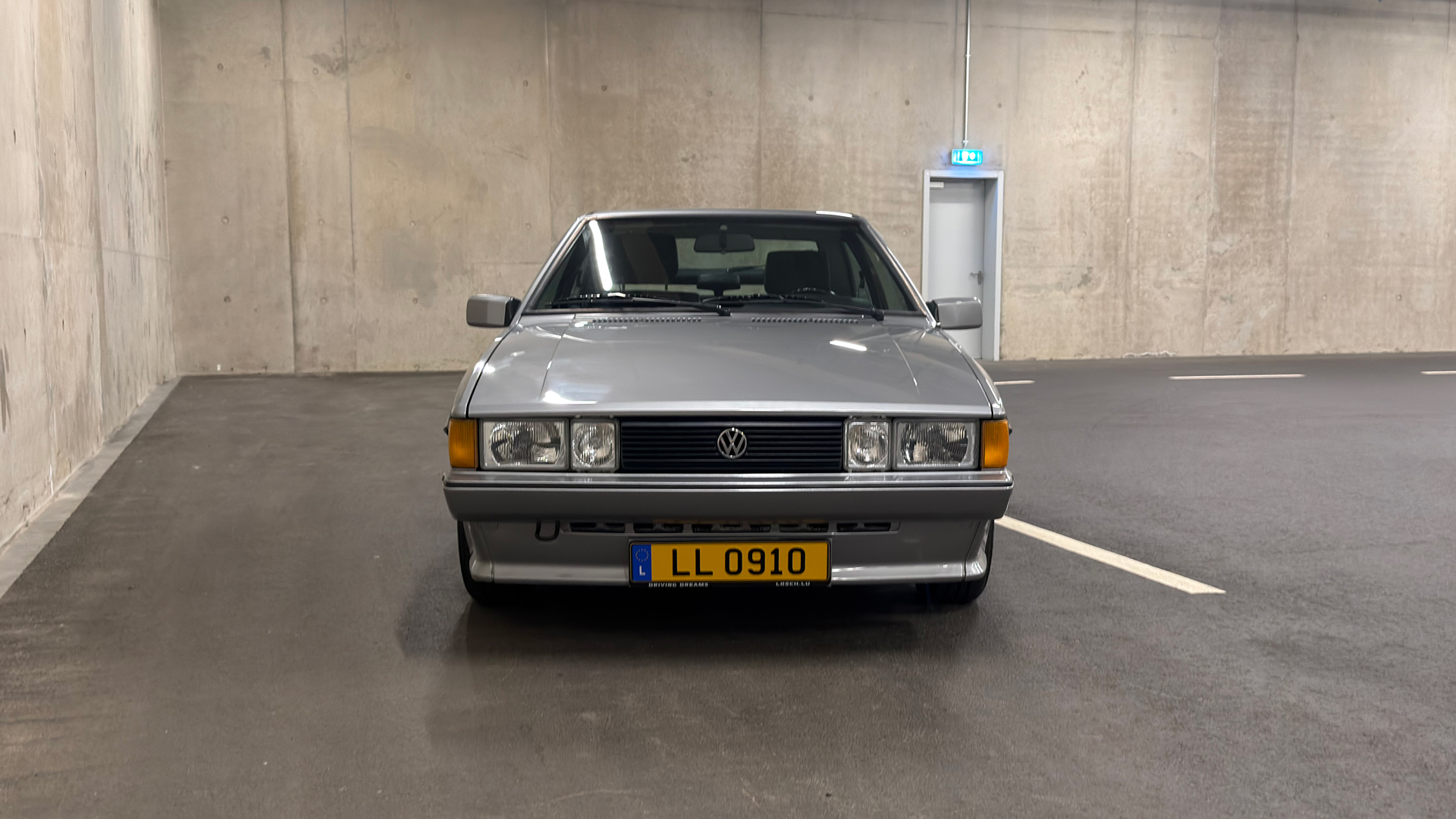
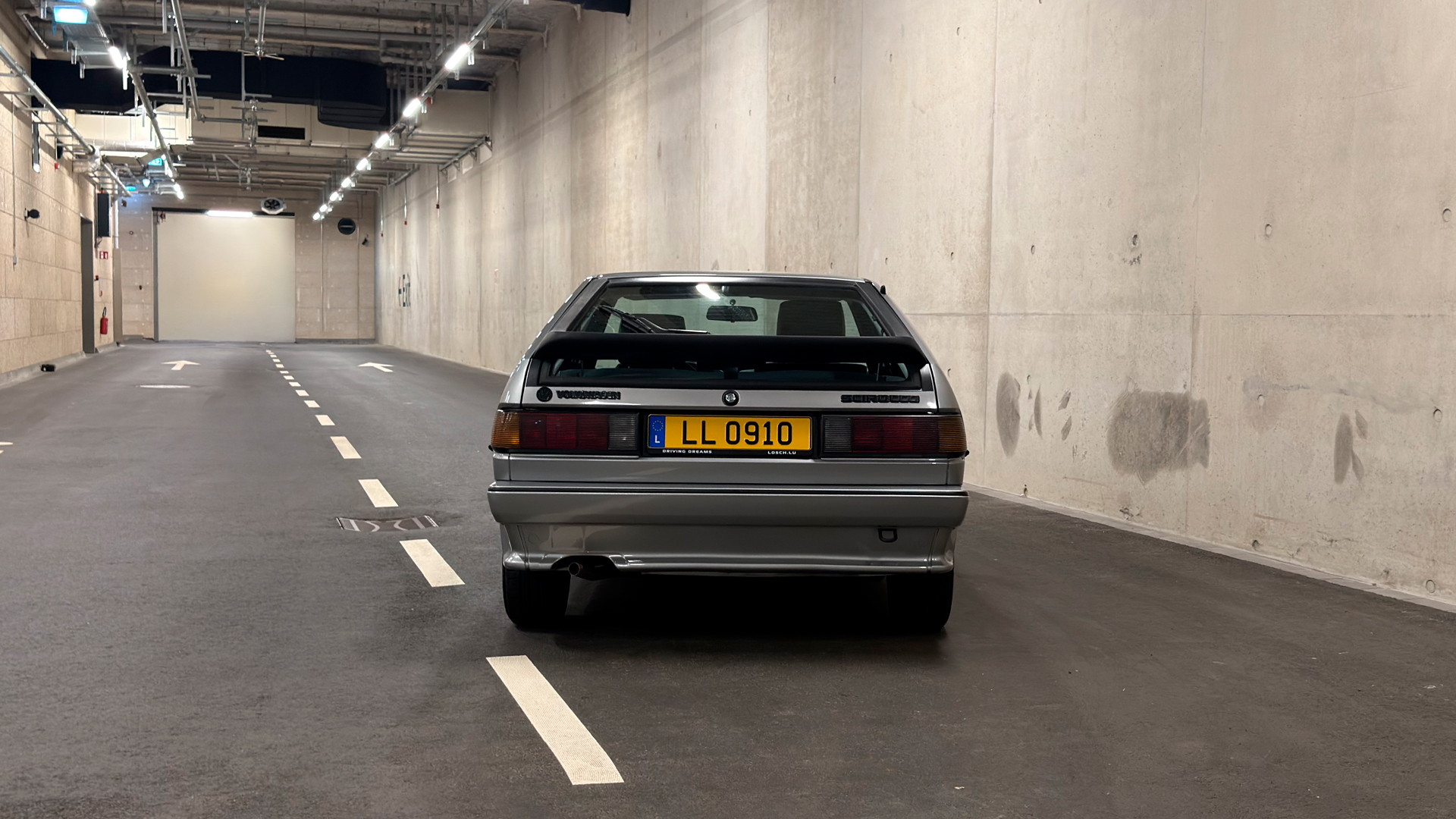
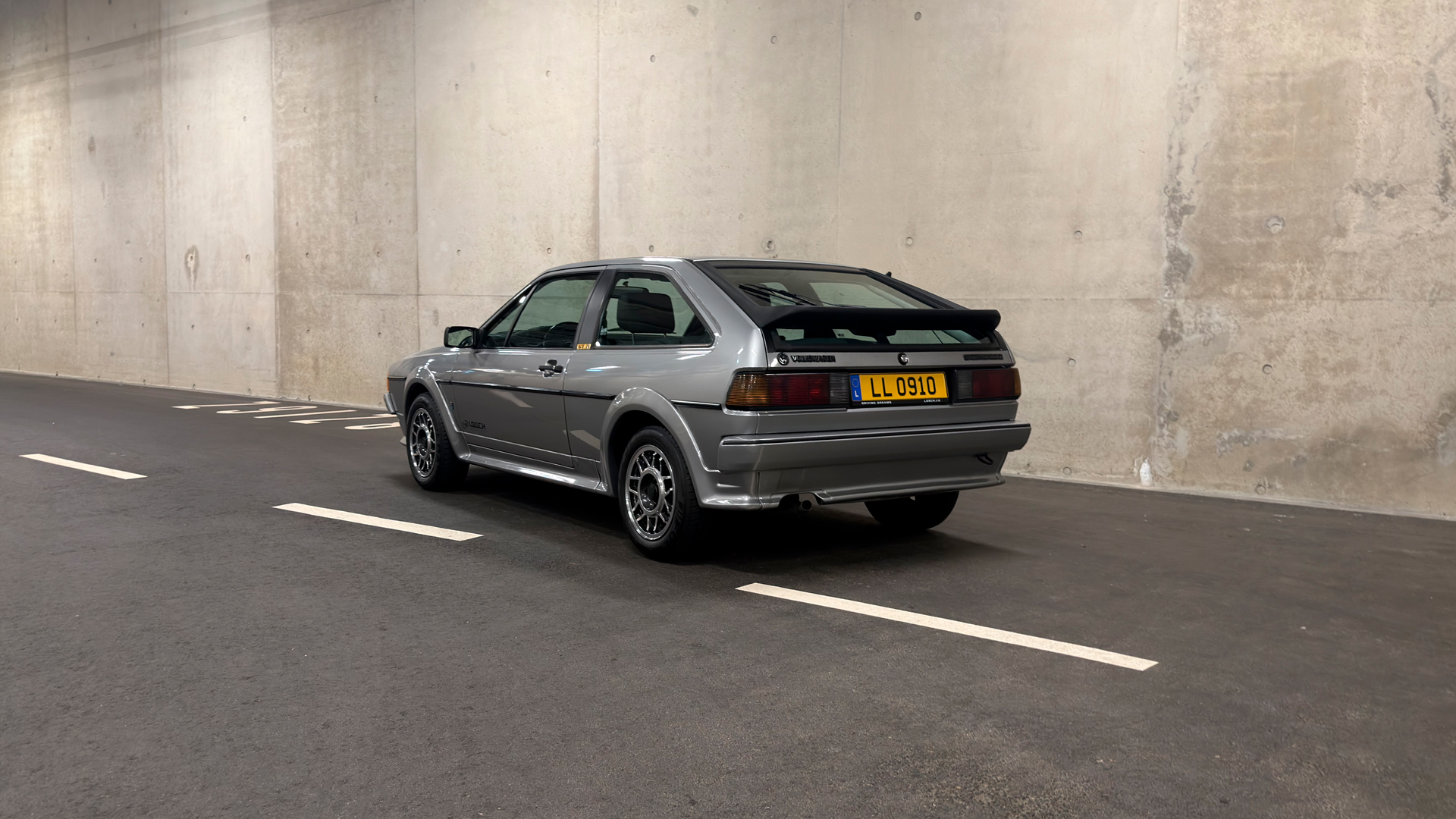
Visually, the GT II stands out with its dynamic wedge-shaped silhouette. The front features a wide grille, aerodynamic headlights and a sharply designed bumper. At the rear, a pronounced spoiler reinforces its sporty character, while the angular taillights remain a signature of the generation.
The body of the Scirocco II appears lower and more elongated than that of its predecessor – a particularly modern style at the end of its production.
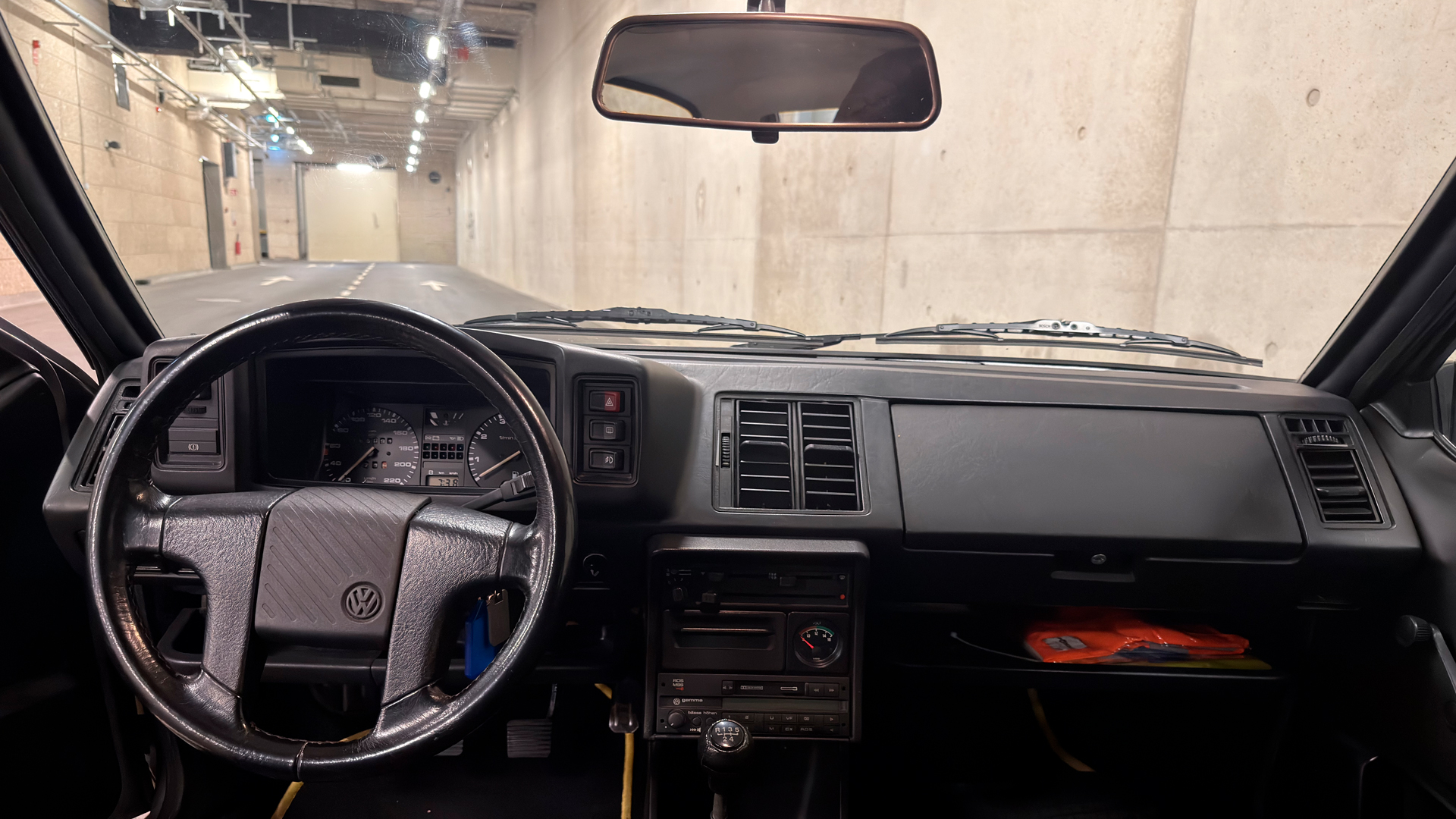
The interior of the GT II follows the same sporting philosophy:
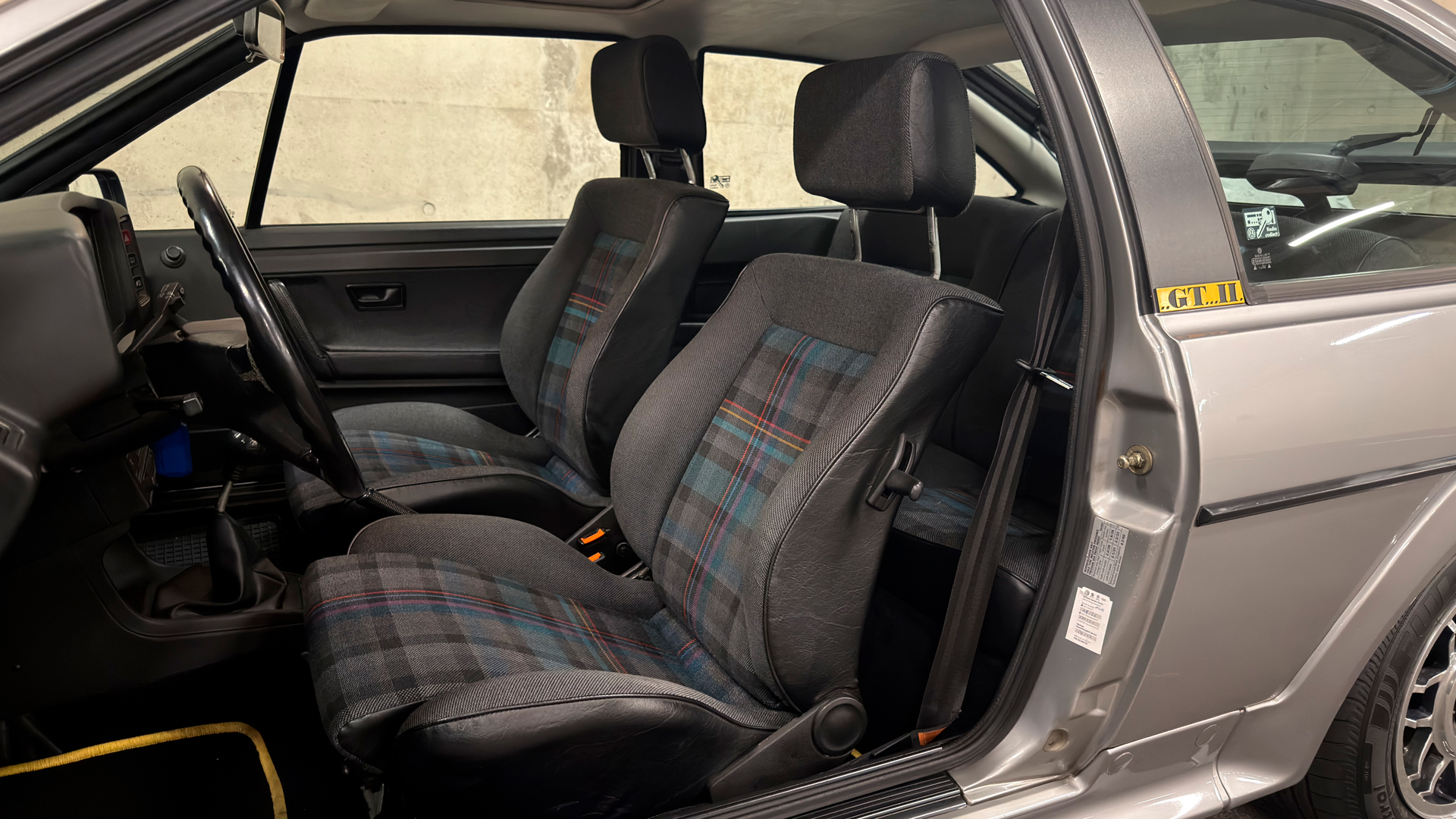
• Deep sports seats with good lateral support
• Sport steering wheel
• Clear, driver-oriented instrumentation
Depending on the options, various fabrics or even leather were available, reinforcing the qualitative aspect of the GT II.
Technique, engine and performance of the 1991 model year
In 1991, the Scirocco GT II was equipped with a 1.8-liter in-line four-cylinder engine with Bosch KJetronic mechanical injection.
The engine, bearing the internal code JH, offered:
• 95 hp at 5,500 rpm
• 142 Nm at 3,000 rpm
Despite moderate power, the engine stood out for its liveliness, robustness and direct response, which was particularly appreciated in a light vehicle such as the Scirocco.
With a 5-speed manual transmission, the GT II reached:
• 181 km/h top speed
• 0–100 km/h in approx. 10.2 seconds
Very competitive performance for a sports coupe in the compact segment in the early 1990s, offering dynamic and light handling.
The average consumption was around 8.8 l/100 km, allowing a range of around 600 km thanks to the 55-litre tank.
The road handling benefited from the low weight (882 to 950 kg), MacPherson struts at the front and a firm chassis, providing great agility. The 185/60 R14 tyres completed this balance.
On the braking side:
• Ventilated front discs
• drums at the rear – a common configuration at the time.
Equipment and special features of the GT II
-
The GT II offered a sportier equipment than the base versions, including:
• Sport steering wheel
• Deep sports seats
• Fog lamps
• rear spoiler
• Folding bench seat
• Sport-style instrumentation
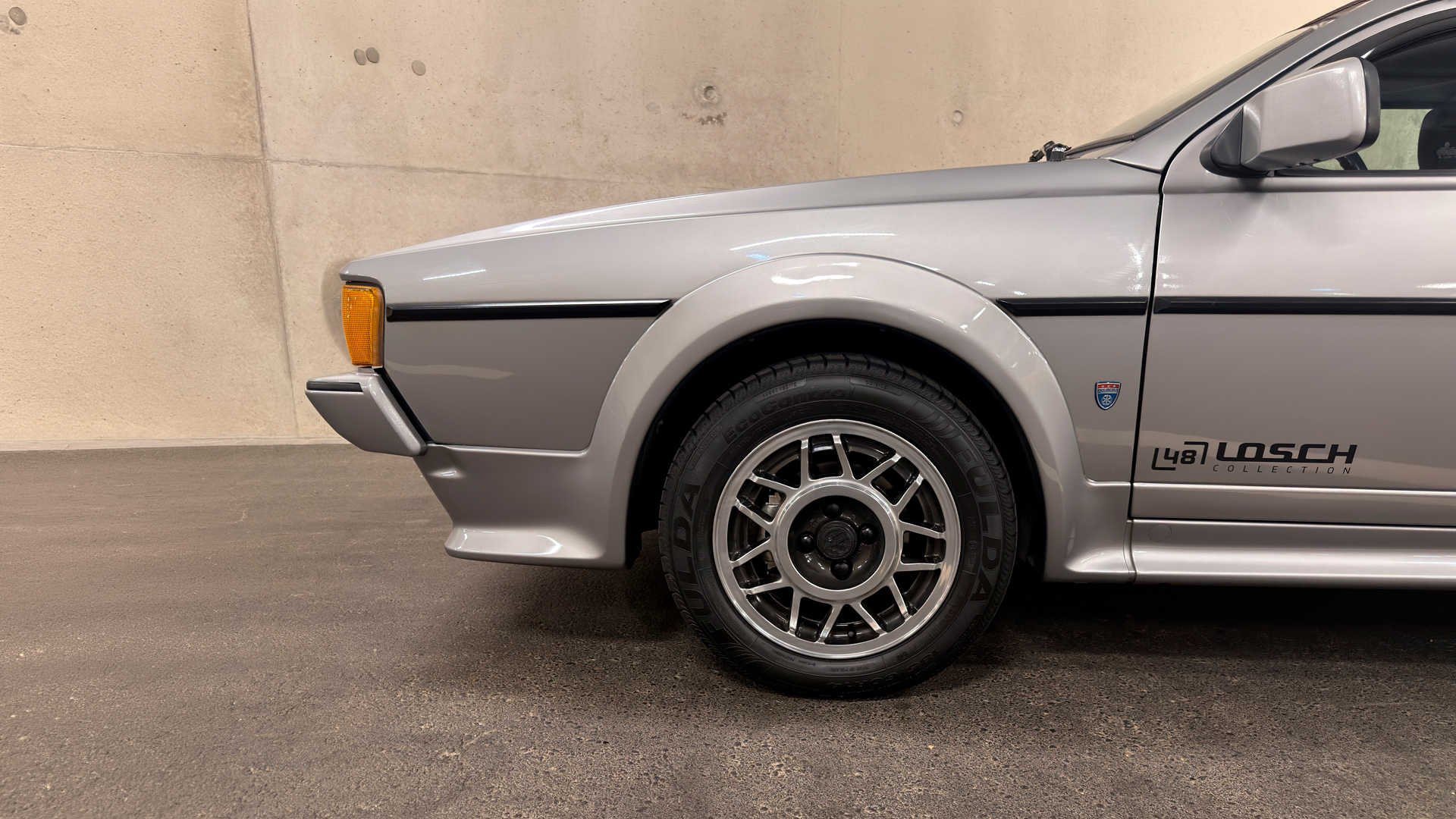
• 14-inch alloy wheels depending on the version -
Volkswagen often offered the GT II with attractive options:
• electric windows
• rev counter
• Outdoor decorations
• Specific grille grilles
• Stylized decorative stripes
The 1991 vintage in the global context
1991 was one of the last full years of production of the Scirocco II before it was discontinued in 1992.Between 1989 and 1992, only about 19,000 units were produced. Late models – including the one from 1991 – are therefore particularly rare and highly sought after today.
In this final phase, the Scirocco II benefited from all the technical improvements that had been accumulated:
• Excellent assembly quality
• Effective corrosion protection
• Proven and reliable mechanics
This is why the 1991 vintage is often considered one of the best in the series.
Conclusion: why the 1991 Scirocco GT II is so special
The Volkswagen Scirocco GT II from the 1991 model year combines sporty design, low weight and proven technology to create a coupé that always delivers authentic driving pleasure.
It is a typical representative of the analogue sports car era: direct, mechanical, sincere.
Its strengths:
• Perfectly accomplished technology after more than ten years of production
• Robust and generous 1.8-litre engines
• Iconic and timeless design
• Rarity of the last years of production
• Driver-oriented sports package
This makes the 1991 Scirocco GT II one of the most attractive models in the history of the Scirocco – a true cult object for classic Volkswagen enthusiasts.
Contact & Opening Hours
-
Losch Collection GRIDX
4-6 Rue des Trois Cantons
L-3980 Wickrange -
Contact
Phone: +352 56 79 32 8937
Email: Collection-Losch-UCBL@losch.lu -
Sales
Monday to Saturday: 9:00 – 12:00 & 13:00 – 18:00
Sunday: Closed