
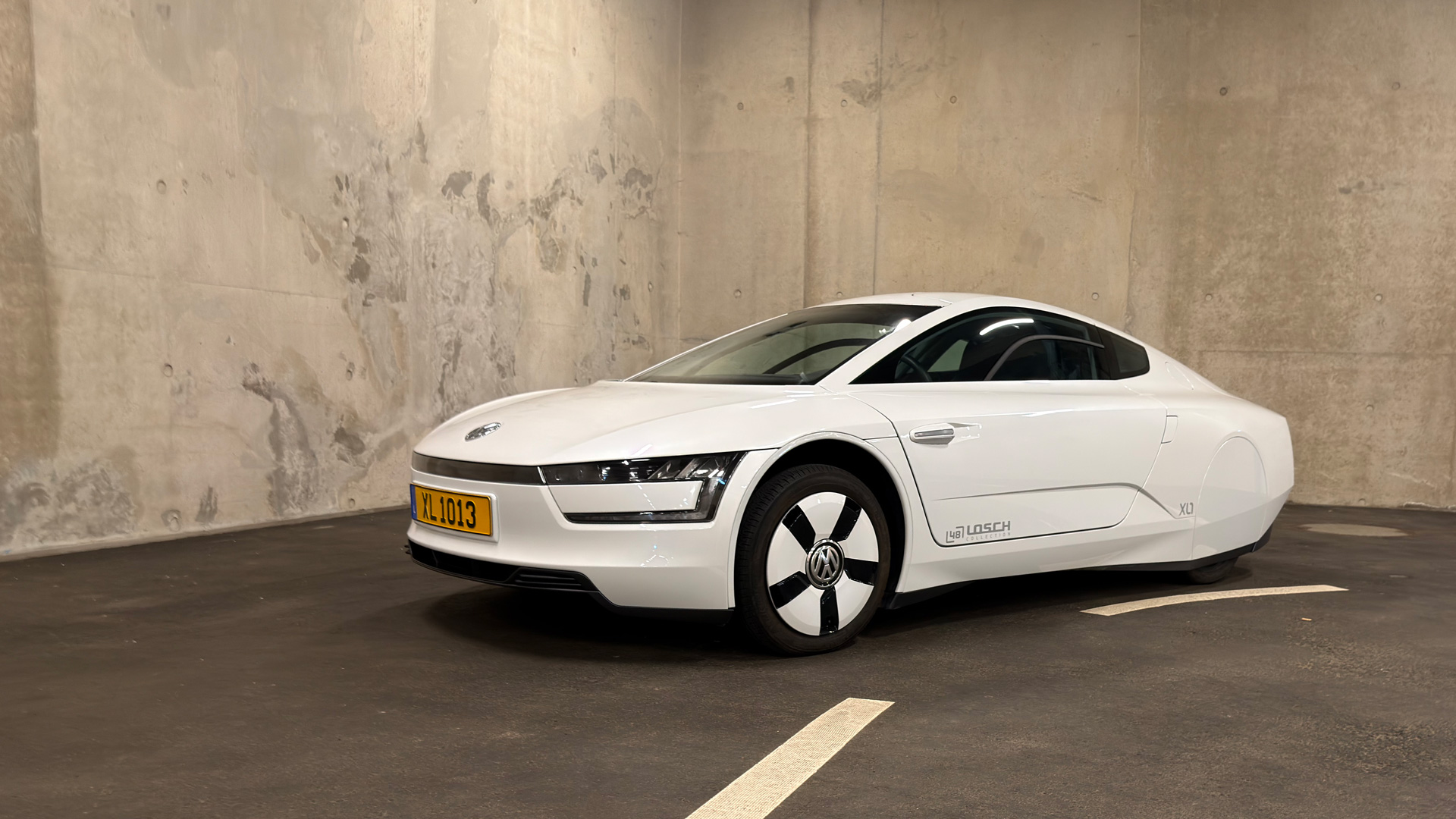
VW XL1 (2014)
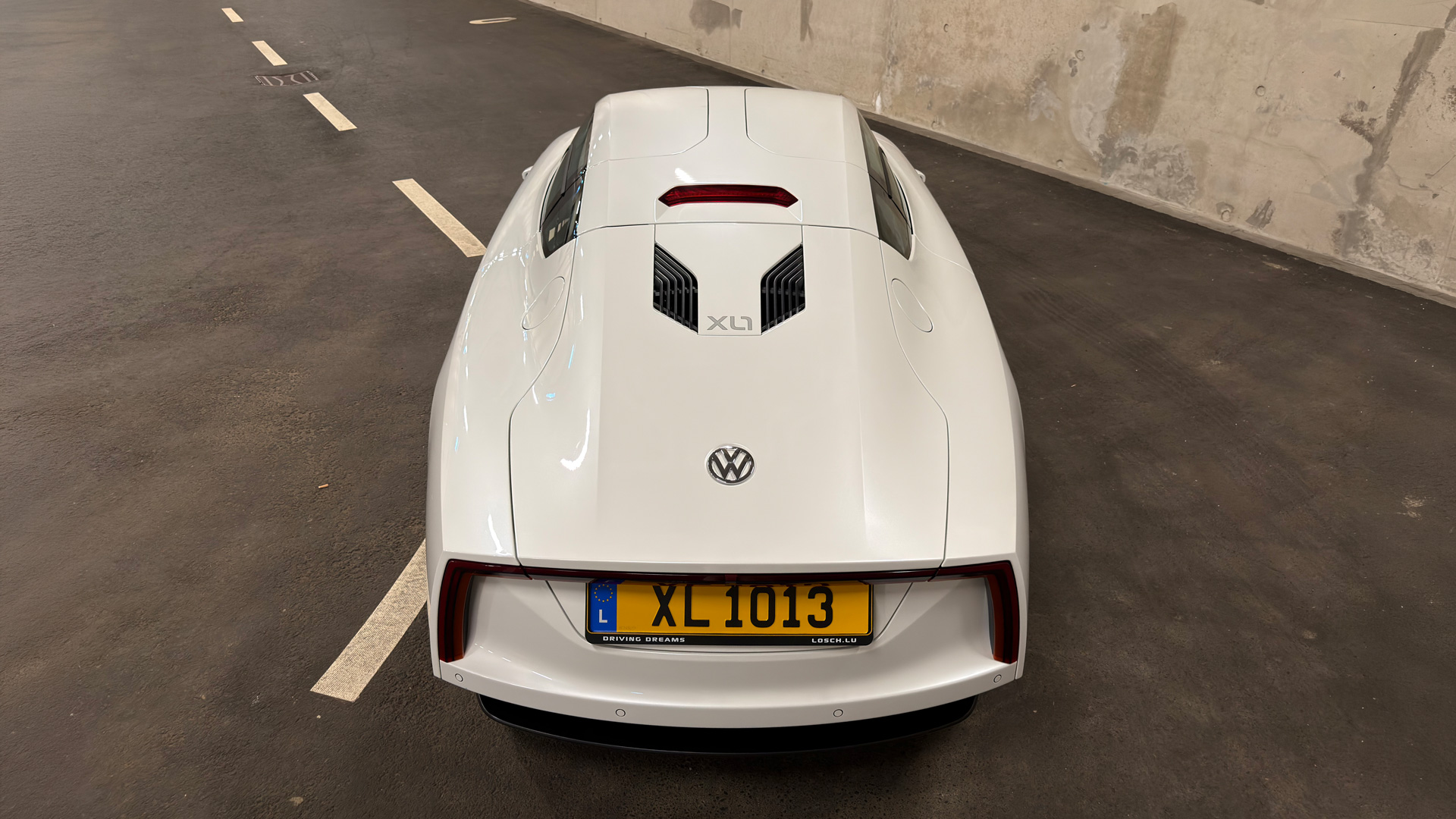
VW XL1 (2014)
The Volkswagen XL1 is one of the most ambitious energy efficiency projects in automotive history.
Developed as an extremely economical plug-in hybrid vehicle, it was intended to demonstrate how far fuel consumption and emissions can be reduced through light weight, aerodynamics and innovative drive technologies.
With its "1-litre car" concept, the XL1 attracted international attention and remains one of the most efficient production vehicles in the world today.
The birth of the 1-litre car
2002 – The first 1-litre car concept
Volkswagen set out early on to develop a car capable of consuming only one litre of fuel per 100 kilometres.
Ferdinand Piëch's vision was to create an ultra-light and aerodynamic vehicle with maximum efficiency.
The first concept was still strongly prototypical, but it already set benchmarks in terms of weight, air resistance and powertrain.
The path to the production model
2011 – Presentation of the VW XL1 study
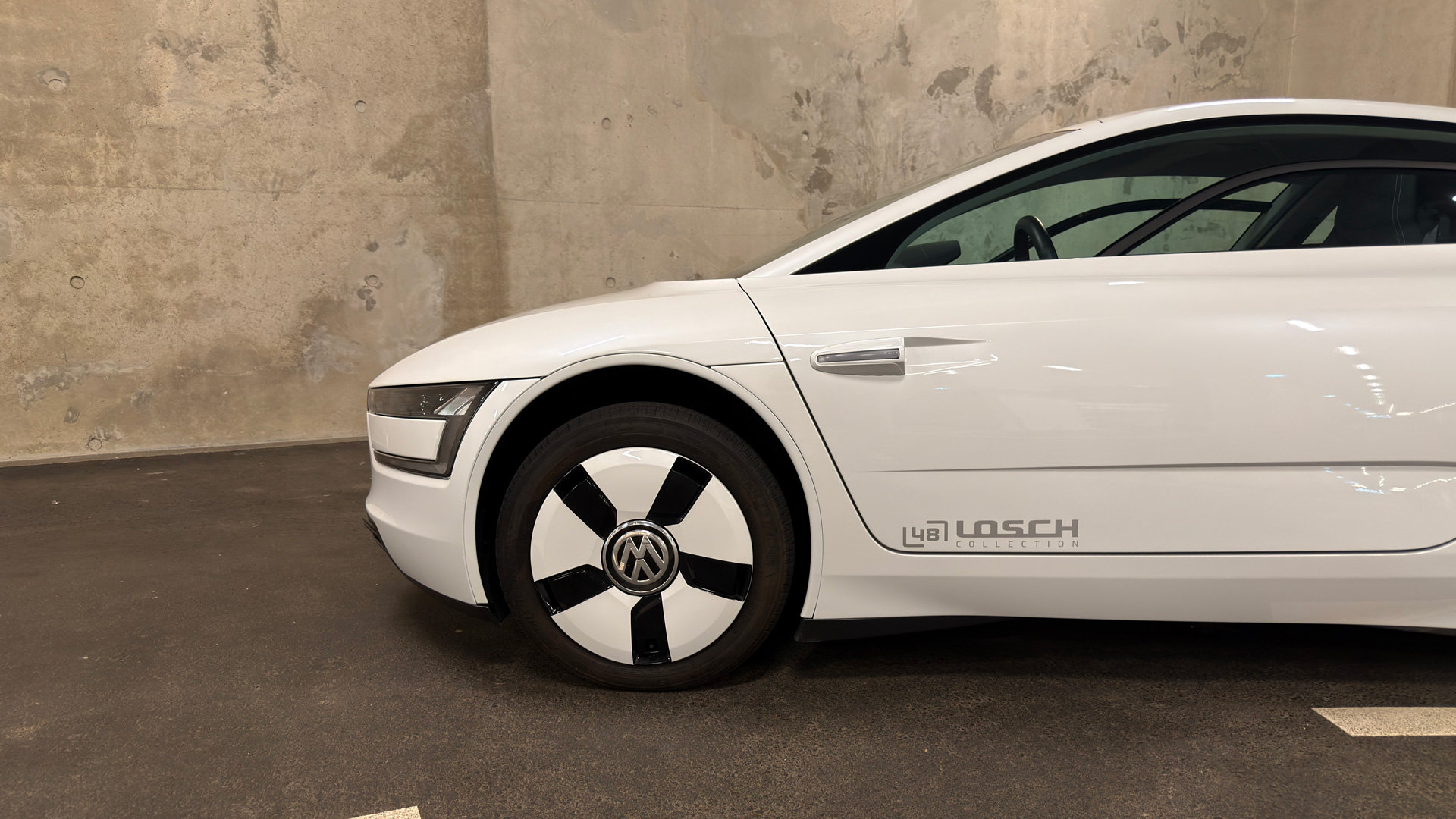
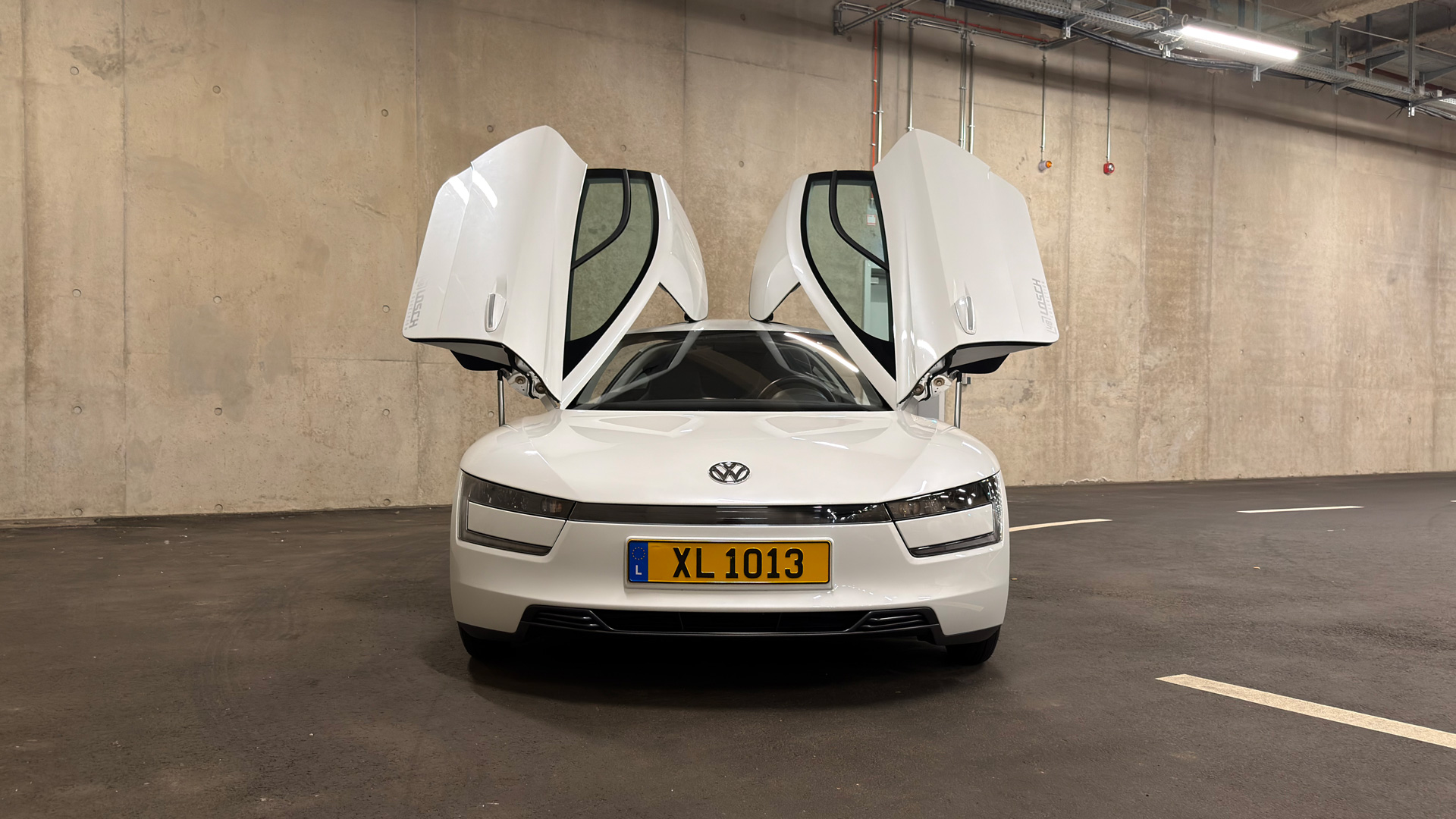
In 2011, Volkswagen presented the XL1 study at the IAA. This one already showed a futuristic and characteristic design, with:
• Extremely narrow body
• a lightweight CFRP (carbon fiber reinforced plastic) structure
• a diesel-electric hybrid powertrain
The study proved that the 1-litre car was not only technically possible, but also feasible in a near-production version.
2013 – Production version of the VW XL1
In 2013, Volkswagen finally launched the XL1 in a small series. The vehicle differed little from the study and took up its essential characteristics.
-
Motorization
• 0.8-litre twin-cylinder turbodiesel engine (48 hp)
• 27 hp electric motor
• System power: 75 hpThanks to this combination, the XL1 achieved a normalized consumption of 0.9 liters of diesel per 100 km and offered a 100% electric range of about 50 km.
-
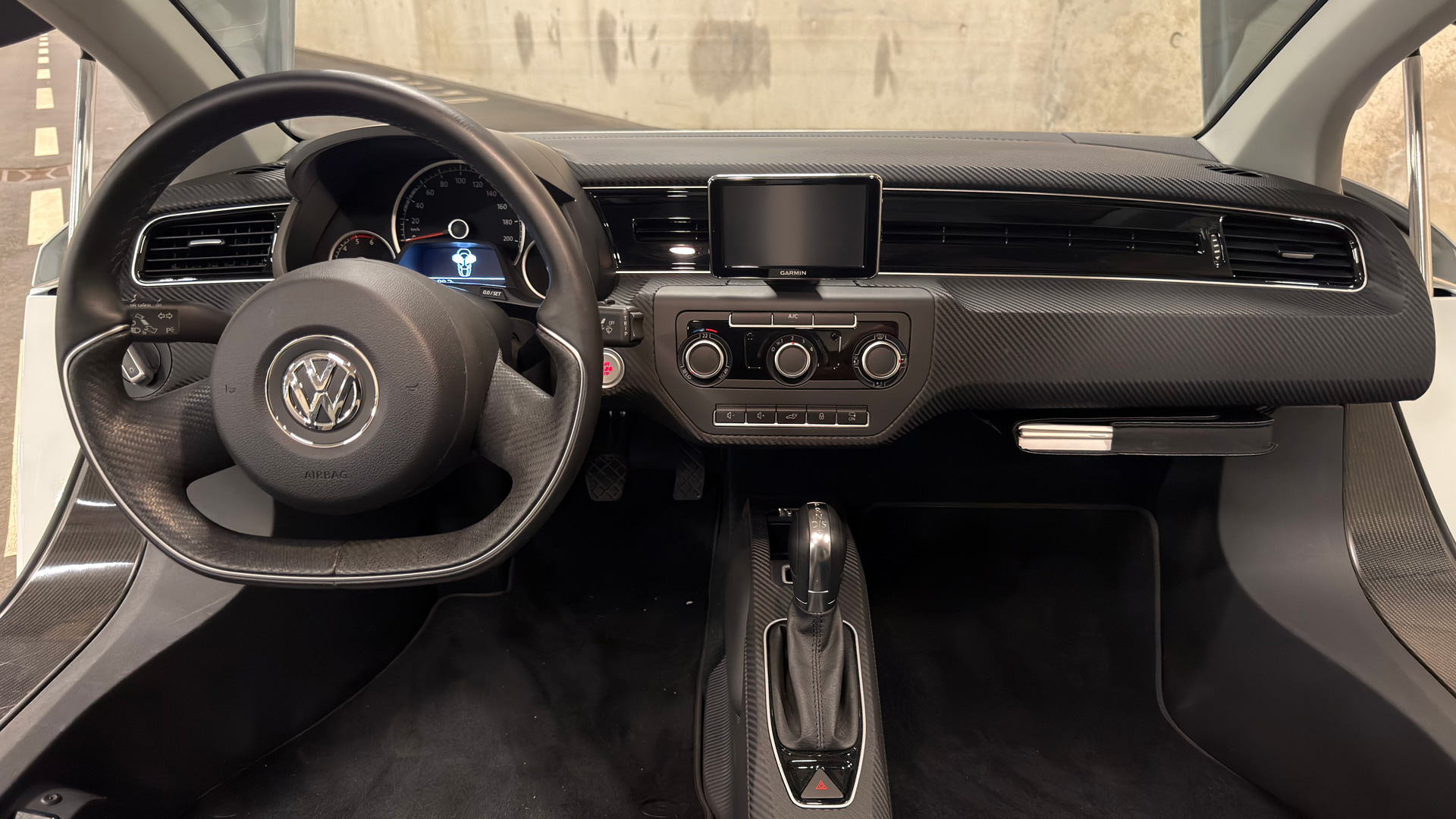
Design & Weight
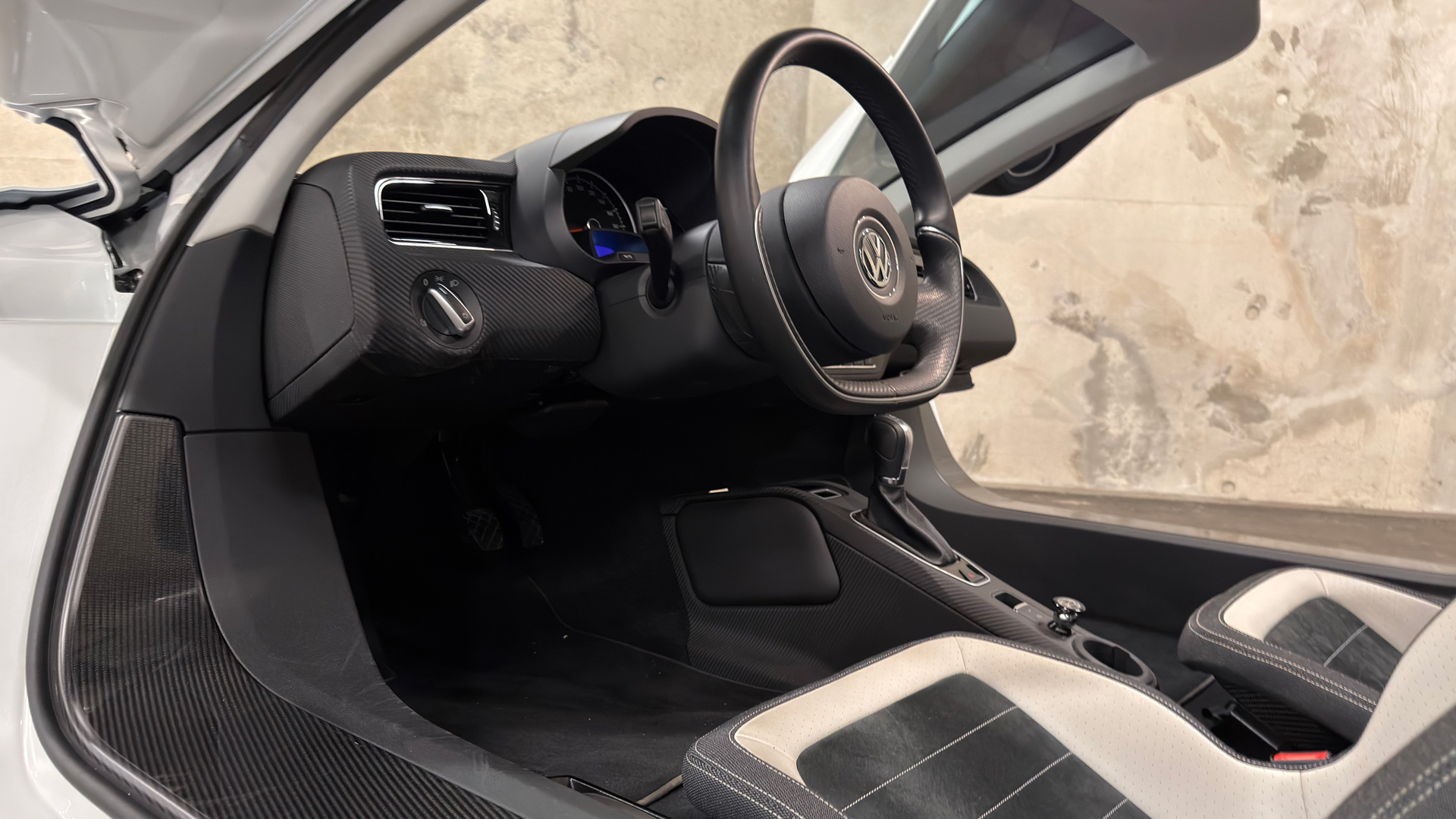
The car weighed only about 795 kg, mainly thanks to:
• to a CFRP monocoque structure
• to extremely lightweight components
• equipment reduced to the minimum necessary
Production and distribution
Limited series
Production was limited from the start and only reached about 250 units. Volkswagen voluntarily used the XL1 as a technological vehicle in order to:
• test manufacturing methods such as CFRP parts in series production
• Further develop hybrid technologies
• Demonstrate the potential of future efficiency vehicles
The XL1 was not a mass-produced product — but rather an exclusive flagship project.
Technological particularities
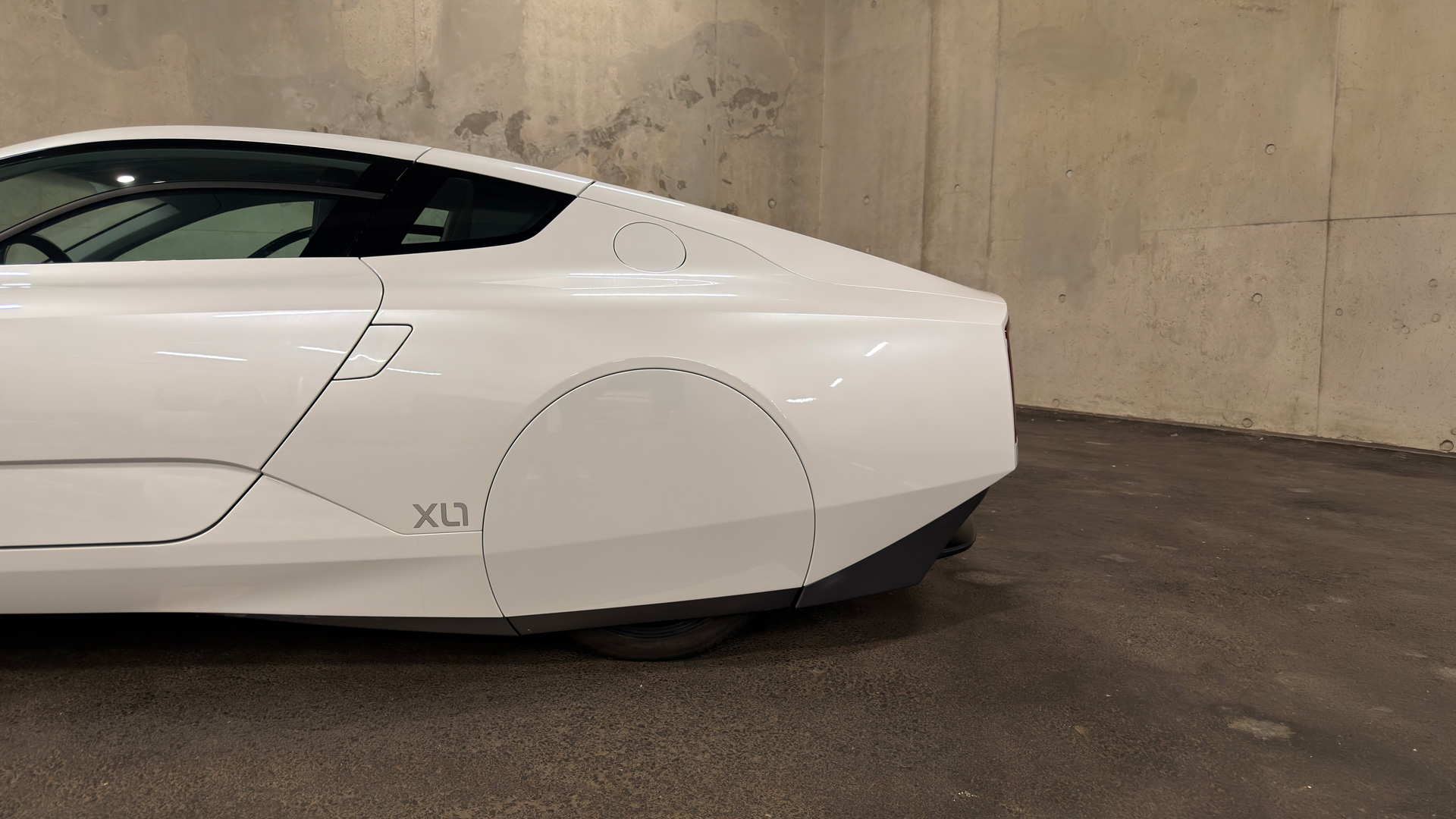
Lightweight Construction
The XL1 is one of the most radical light vehicles in modern automotive history:
• Carbon Fiber Reinforced Plastic (CFRP) Monocoque
• Aluminum and magnesium components
• Weight reduction in each element group
Hybrid powertrain
The plug-in hybrid powertrain combines:
• The efficiency of a diesel engine
• An electric motor for short journeys
• The ability to drive entirely in electric mode
The propulsion has been specifically designed for maximum efficiency, not performance or speed.
Conclusion
The VW XL1 is a technical masterpiece and a symbol of engineering know-how in the service of efficiency.
Although it was produced in very small series, it influenced the development of many later hybrid and fuel-efficient vehicles.
With its radical combination of lightweight construction, aerodynamics and hybrid technology, the XL1 remains a unique model in automotive history.
Contact & Opening Hours
-
Losch Collection GRIDX
4-6 Rue des Trois Cantons
L-3980 Wickrange -
Contact
Phone: +352 56 79 32 8937
Email: Collection-Losch-UCBL@losch.lu -
Sales
Monday to Saturday: 9:00 – 12:00 & 13:00 – 18:00
Sunday: Closed